#robotics
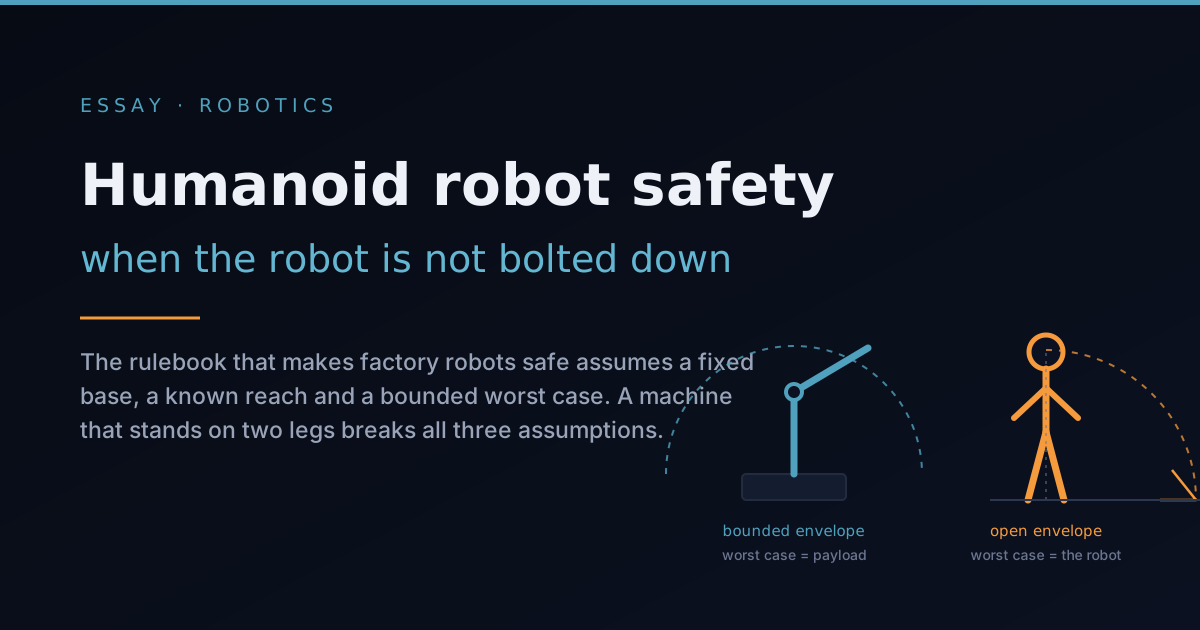
Humanoid robot safety: what happens when the robot is not bolted down
The framework that makes factory robots certifiable assumes a fixed base, a known reach and a worst case you can compute from the payload. A machine standing on two legs breaks all three assumptions, and the standard written for it is still a working draft while the robots are already shipping.
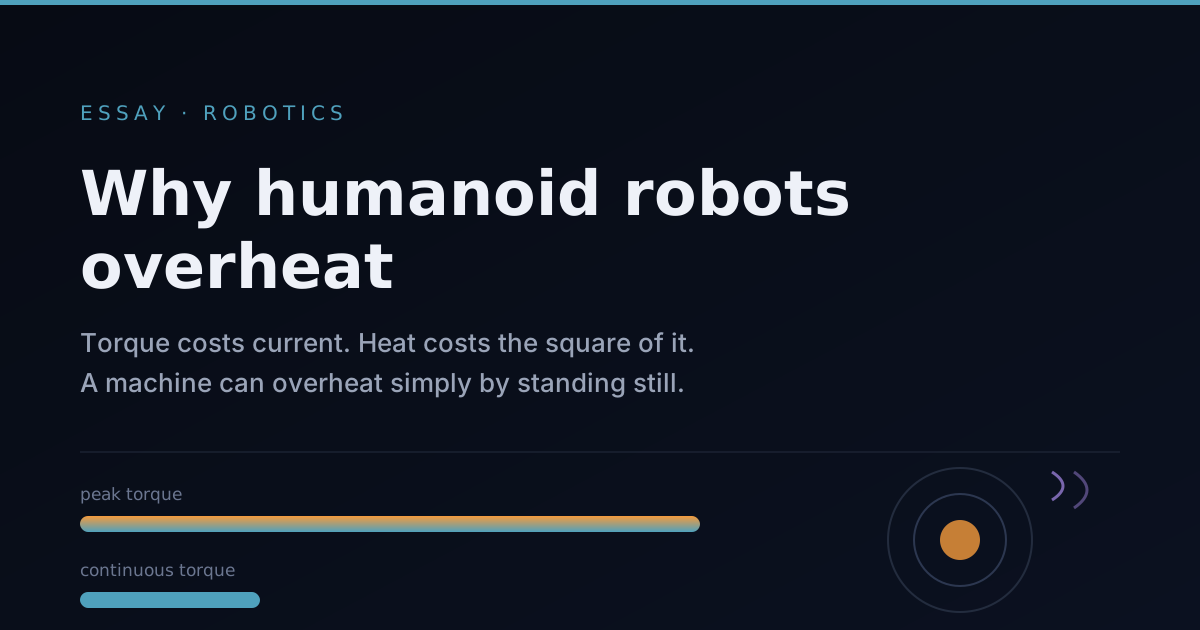
Why humanoid robots overheat: the thermal cliff
A legged robot can overheat without going anywhere. Torque costs current, heat costs the square of the current, and holding a pose against gravity is a continuous expense. The gap between what an actuator can do for a second and what it can do for an hour is the quietest constraint on the whole field.
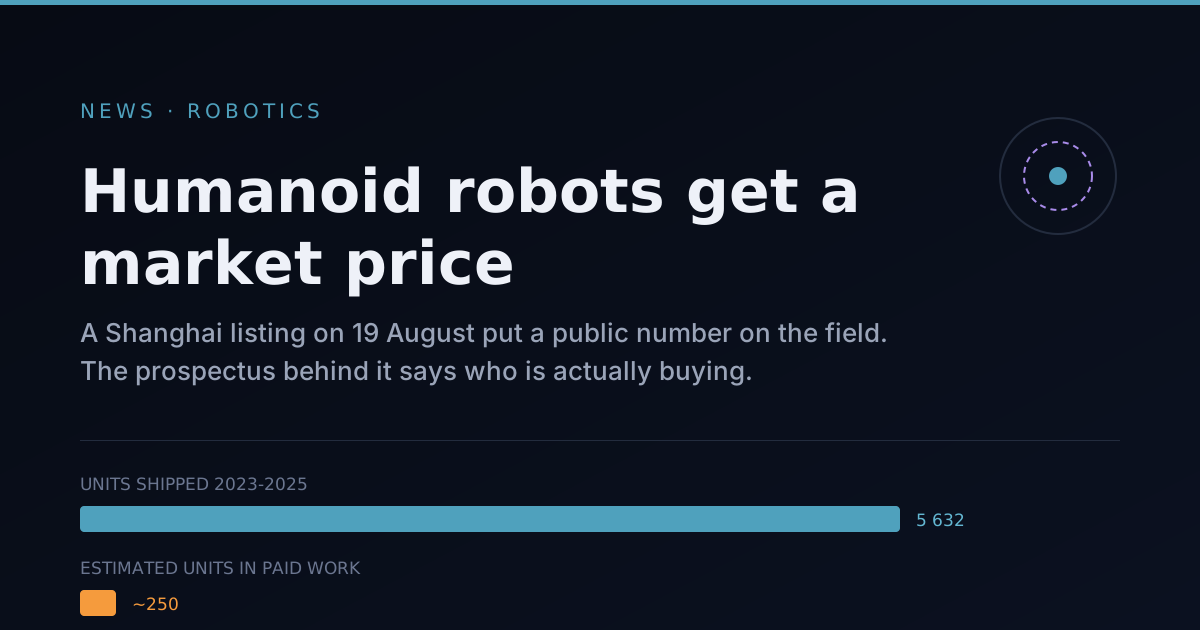
Humanoid robots get a market price: what the Unitree IPO reveals
On 19 August the first pure humanoid robot maker listed on a mainland Chinese exchange, and the price the market set was extraordinary. The audited filing that came with it says something more interesting: over seventy percent of those machines are sold to laboratories, not to employers.
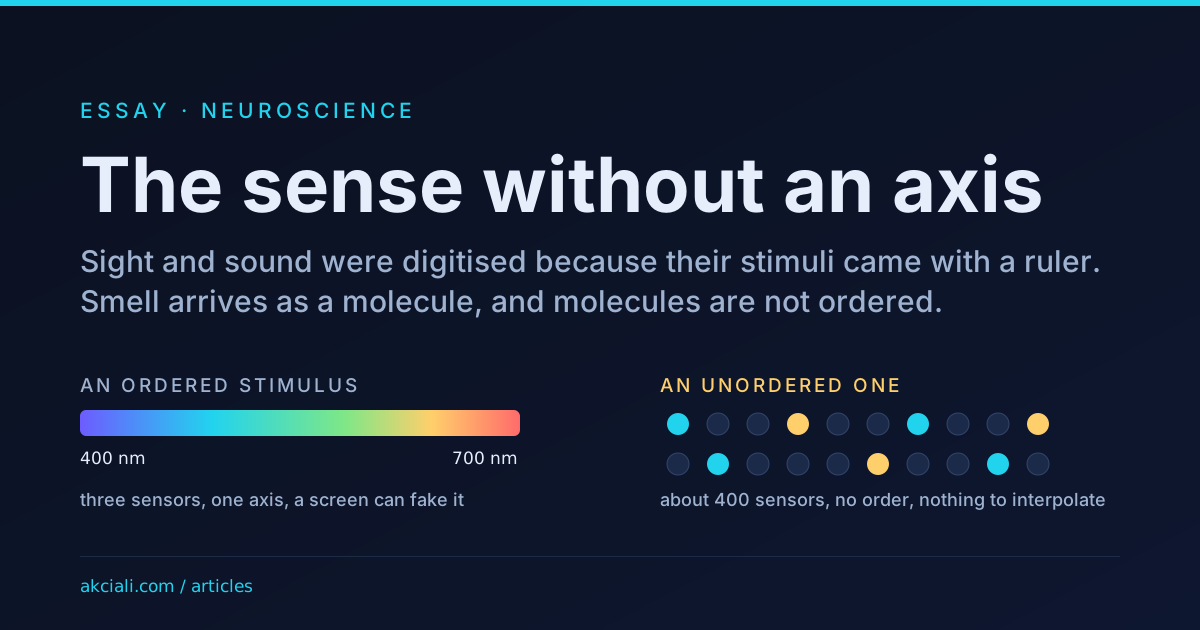
Why smell is the sense we still can't digitise
Sight and hearing were digitised because their stimuli come with a physical ruler. Smell has none, which is why the map of odour had to be learned from perception rather than derived from chemistry, and why prediction has advanced while capture and reproduction have not.
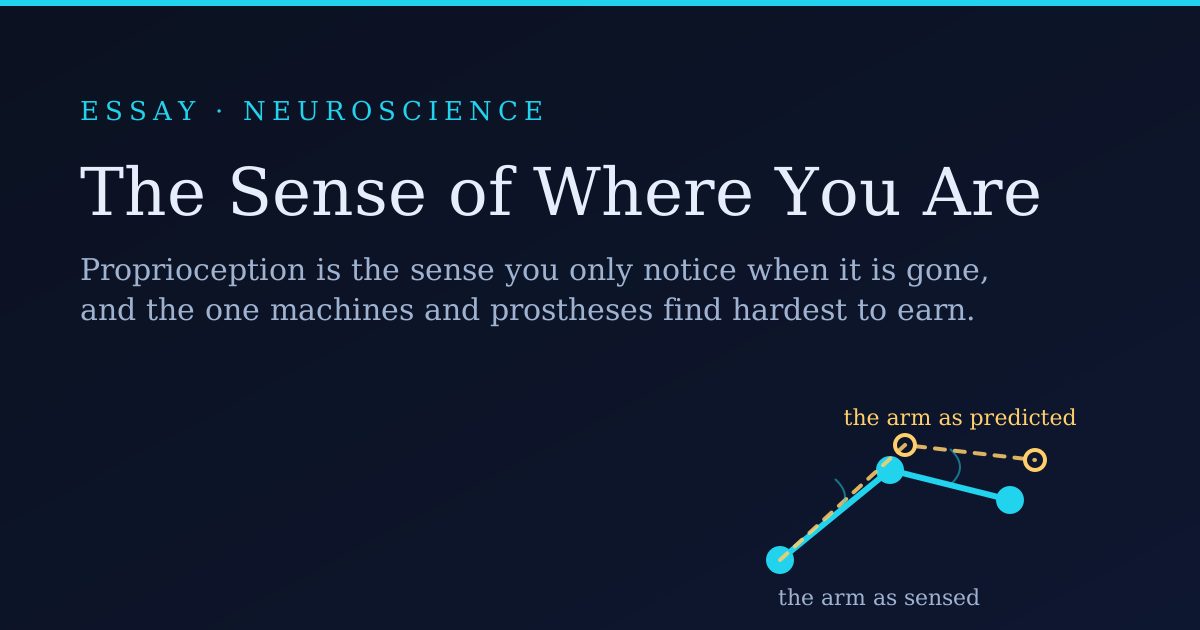
The Sense of Where You Are
Proprioception, the body's silent sense of its own position, is easy to overlook and catastrophic to lose. This essay follows it from muscle spindles to forward models, and asks why robots with perfect encoders still lack it while surgeons are learning to rebuild it.
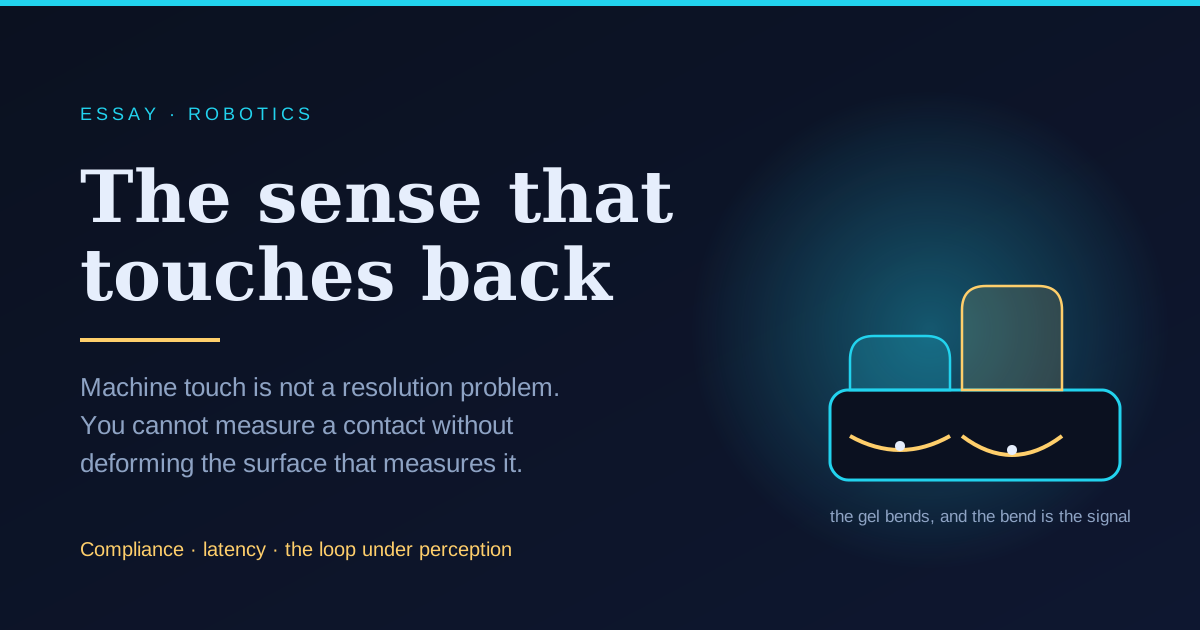
The sense that touches back
Machine touch is not a resolution problem. A tactile sensor must deform to register anything, which makes it part of the contact it reports, and the useful signal lives in a control loop far faster than perception. Why cameras under rubber won, and what that design costs.
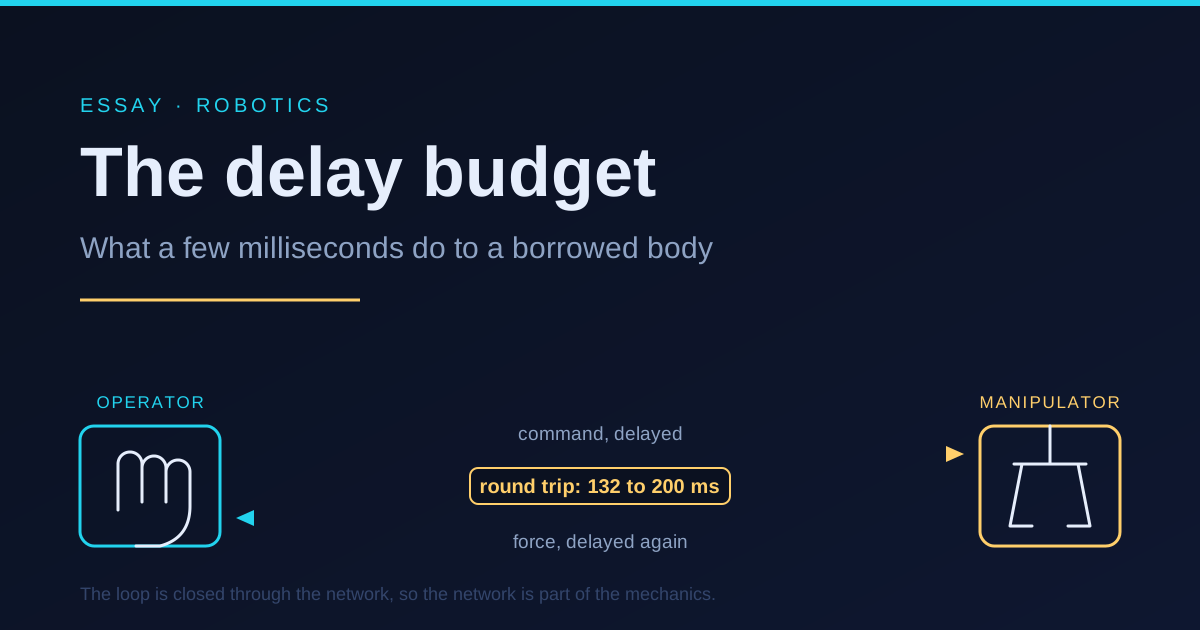
The delay budget: what a few milliseconds do to a borrowed body
A teleoperated robot is a body you rent through a network, and the rental terms are written in milliseconds. Where the delay comes from, why force feedback turns it into an energy problem, and why the same latency that tires an operator also poisons the demonstration data used to train autonomous robots.
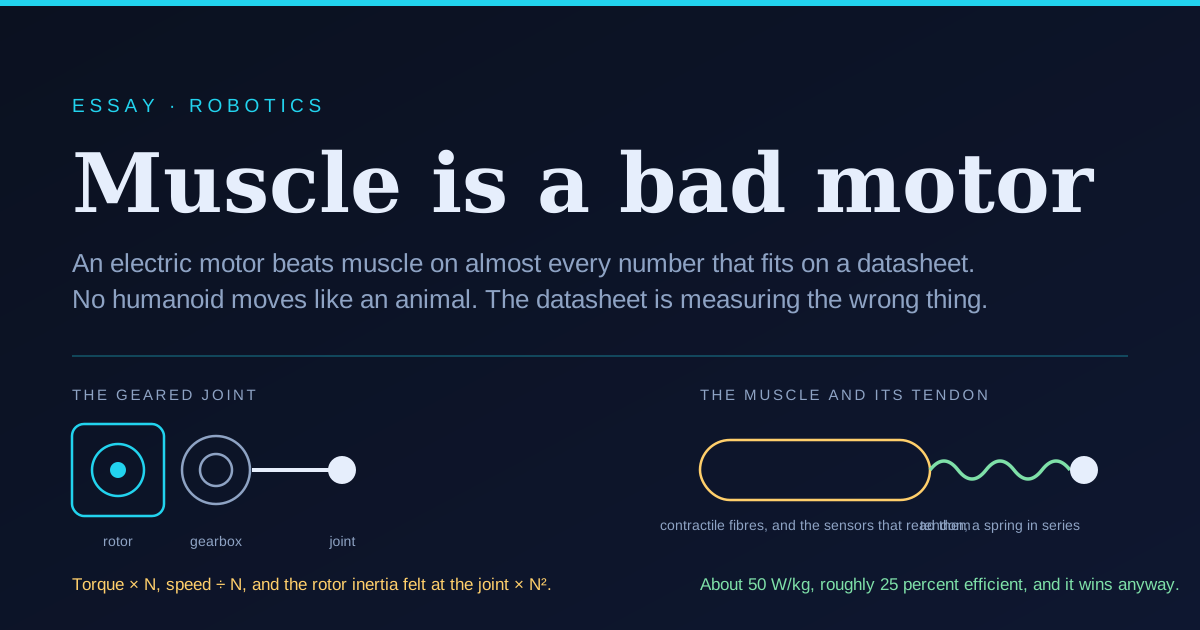
Muscle is a bad motor
An electric motor beats skeletal muscle on power density, efficiency and speed, and still no humanoid moves like an animal. The gap is not intelligence. It is a gear ratio, a thermal ceiling, and four devices that biology packs into a single tissue.
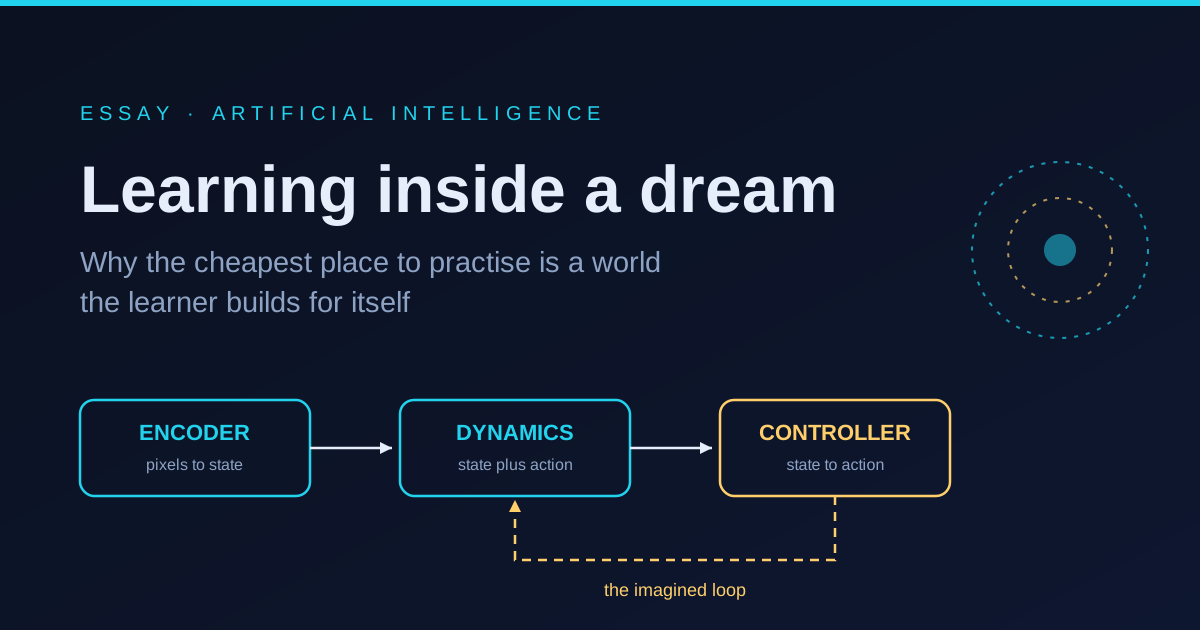
Learning inside a dream
Trial and error is unaffordable in the physical world, so an agent can learn a predictive model of that world and practise inside it instead. The interesting part is not that this works, it is what breaks: compounding error caps how long a dream stays useful, and a policy trained in a flawed dream will find the flaw.
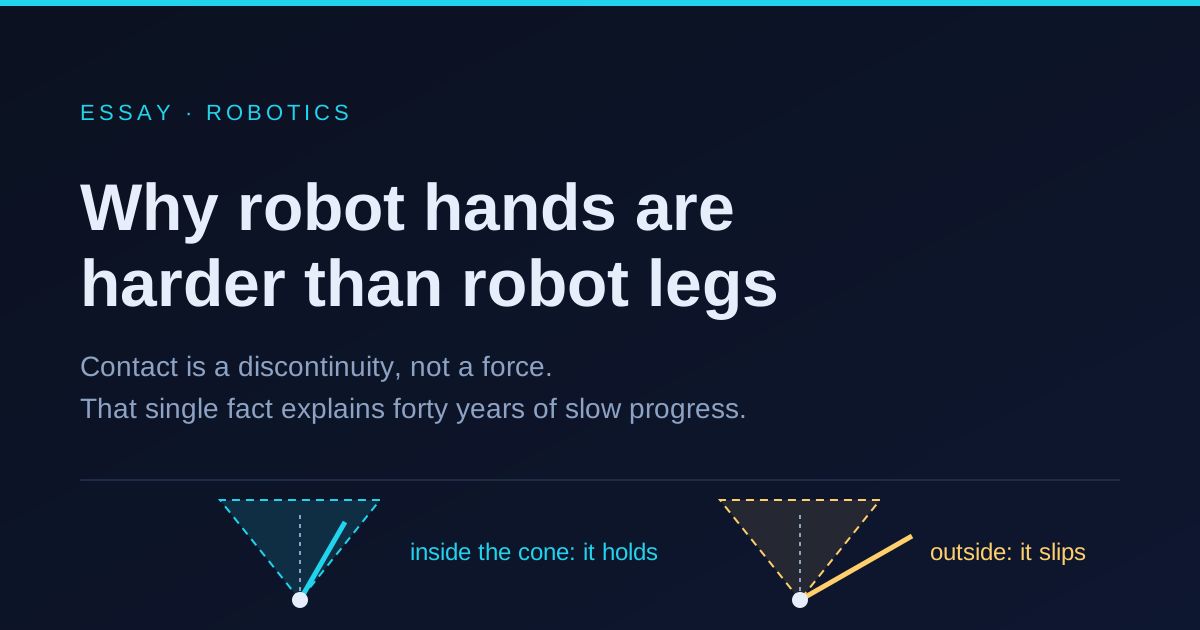
Why robot hands are harder than robot legs
A humanoid that walks is a solved-enough control problem. A humanoid that takes a key out of a pocket is not. The gap is not precision or motor count: it is that contact is a discontinuity, and everything downstream, from simulation to grasp planning to touch sensing, inherits that fact.
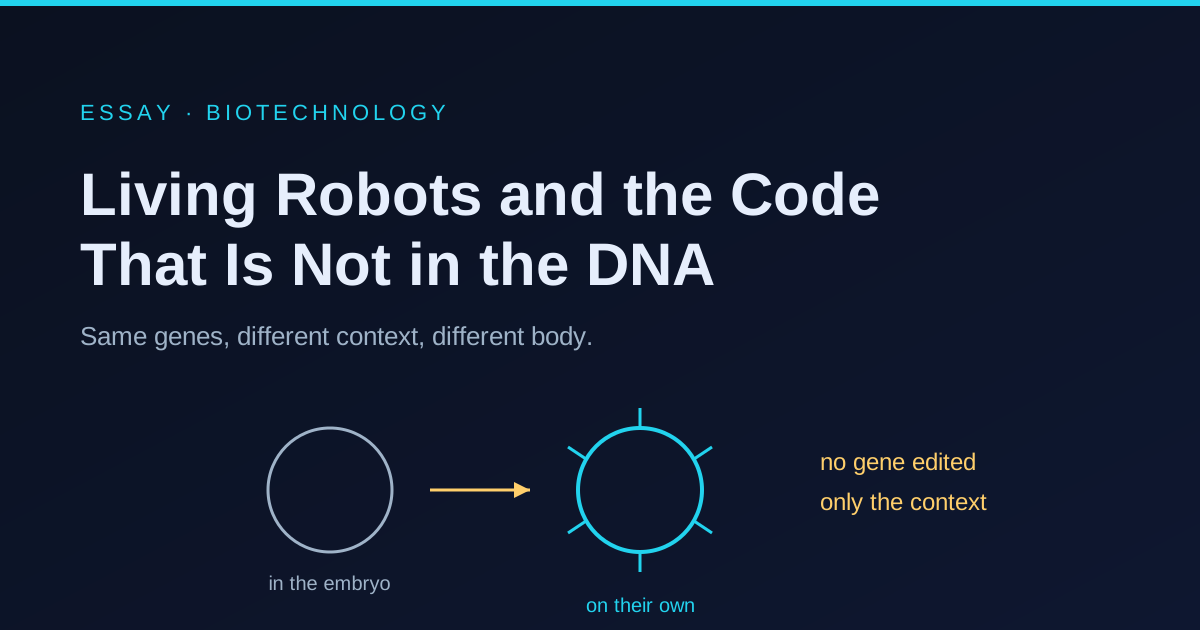
Living Robots and the Code That Is Not in the DNA
Frog skin cells, taken out of the embryo, build a swimming creature that does not exist in nature. What that says about genomes, bodies, and where the instructions for a shape are actually stored.
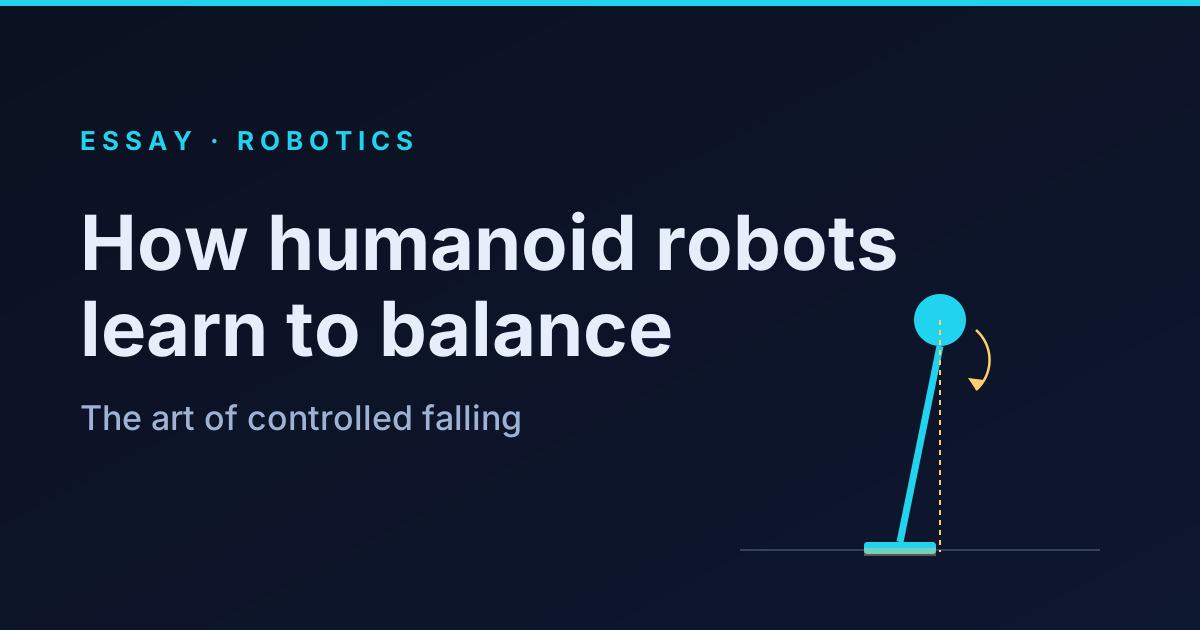
How humanoid robots learn to balance: the art of controlled falling
A biped is an inverted pendulum, so standing still is active work and walking is controlled falling. Inside the control stack that keeps humanoid robots upright, and the shift from programming balance to learning it in simulation.
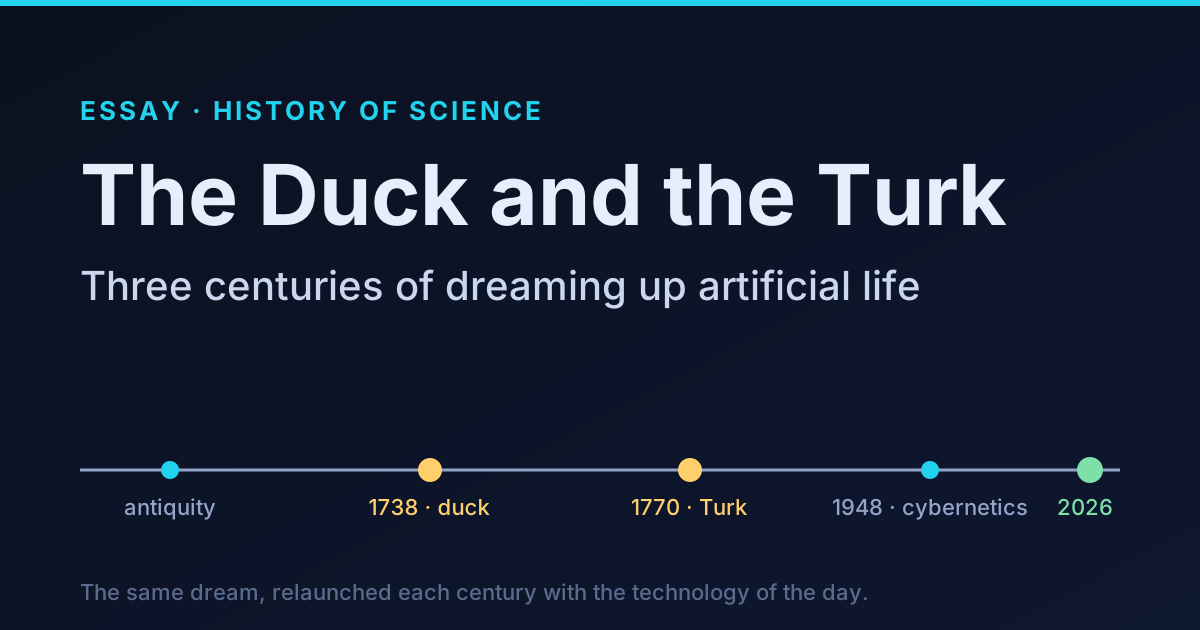
The Duck and the Turk: three centuries of dreaming up artificial life
Chips in the brain, digital doubles, the question of whether a machine really thinks: almost nothing about today's AI is new. The dream of building an artificial being runs as a single thread from antiquity to 2026, and three old objects still frame every debate we have.
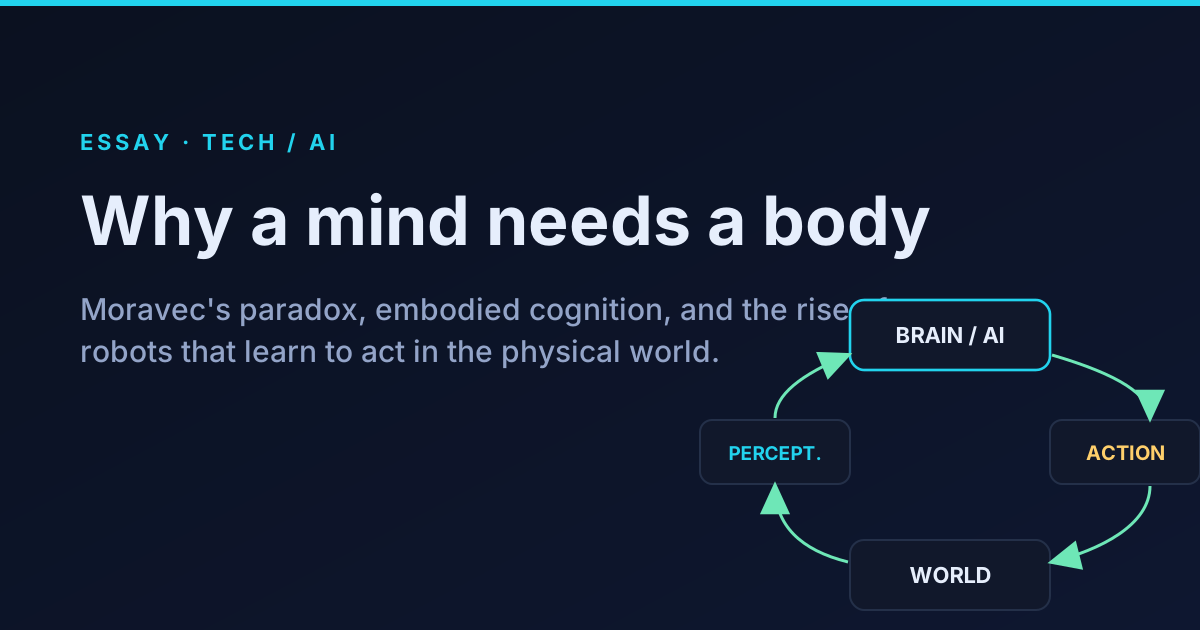
Why a mind needs a body
A machine beat the world chess champion in 1997, yet no robot folds a towel as well as a six-year-old. That inversion has a name, Moravec's paradox, and it explains why AI is finally climbing down into a physical body.