#physiology
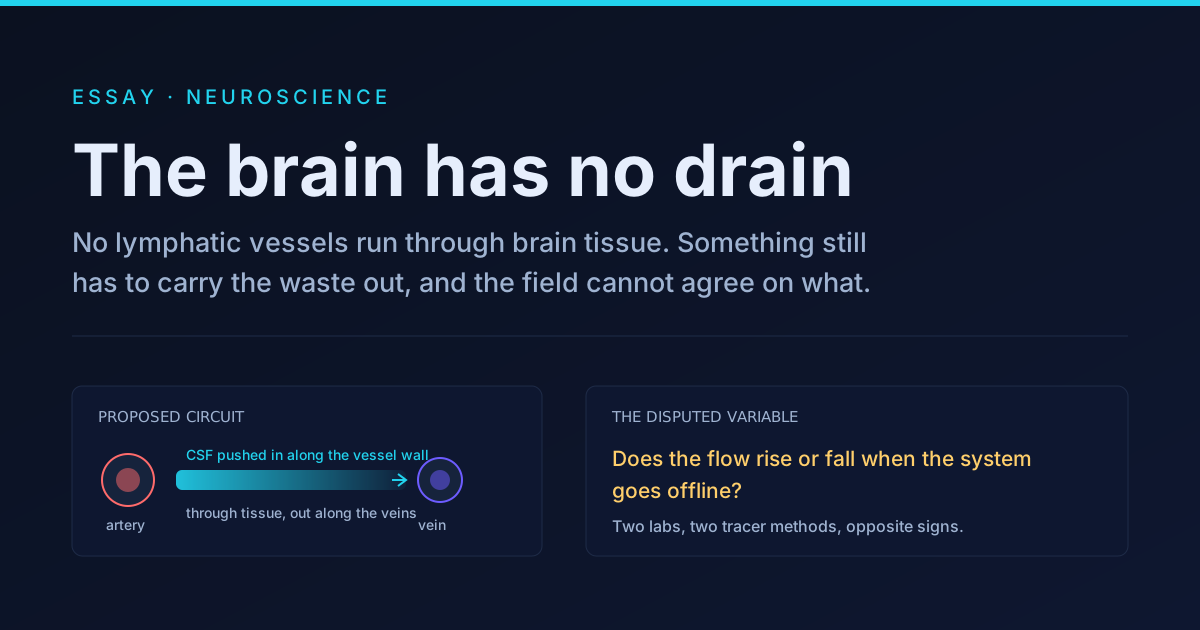
How the brain clears its waste while you sleep
Every other organ removes its waste through lymphatic vessels. Brain tissue has none, and diffusion alone is far too slow at organ scale. The proposed answer is a fluid circuit that runs hardest when the system goes offline, and after thirteen years the field still cannot agree on the sign of the effect.
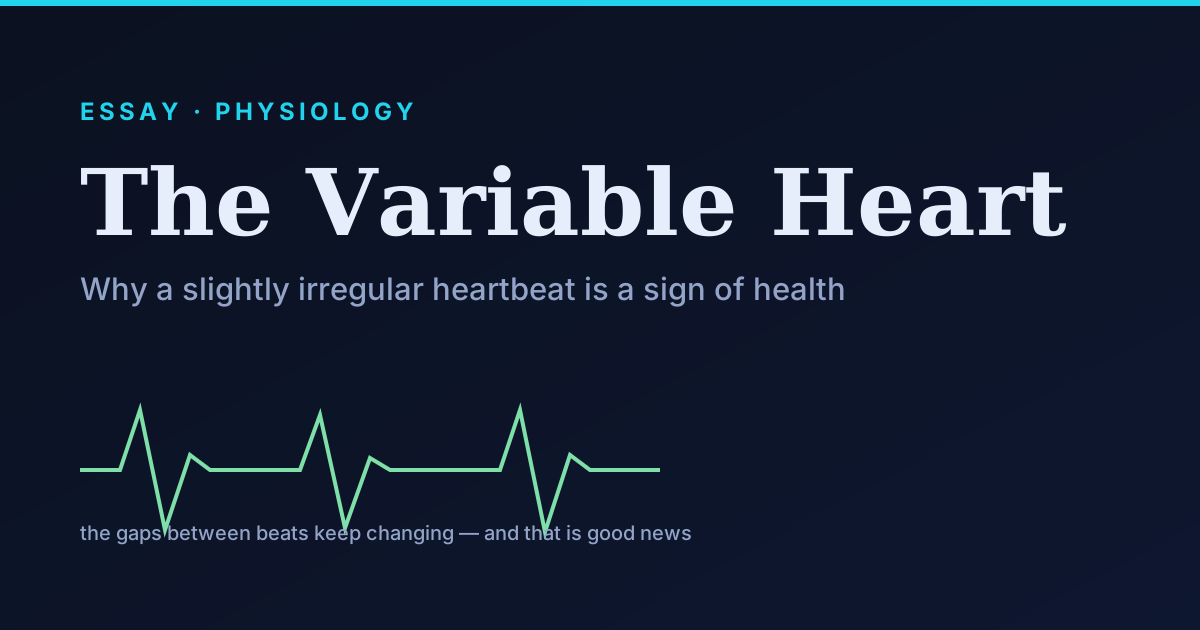
The Variable Heart: what the jitter between your heartbeats says about recovery
A healthy heart does not tick like a metronome. The tiny beat-to-beat variation (heart rate variability) is a window on the balance between the body's accelerator and its vagal brake, and, read against your own baseline, a surprisingly honest gauge of recovery.
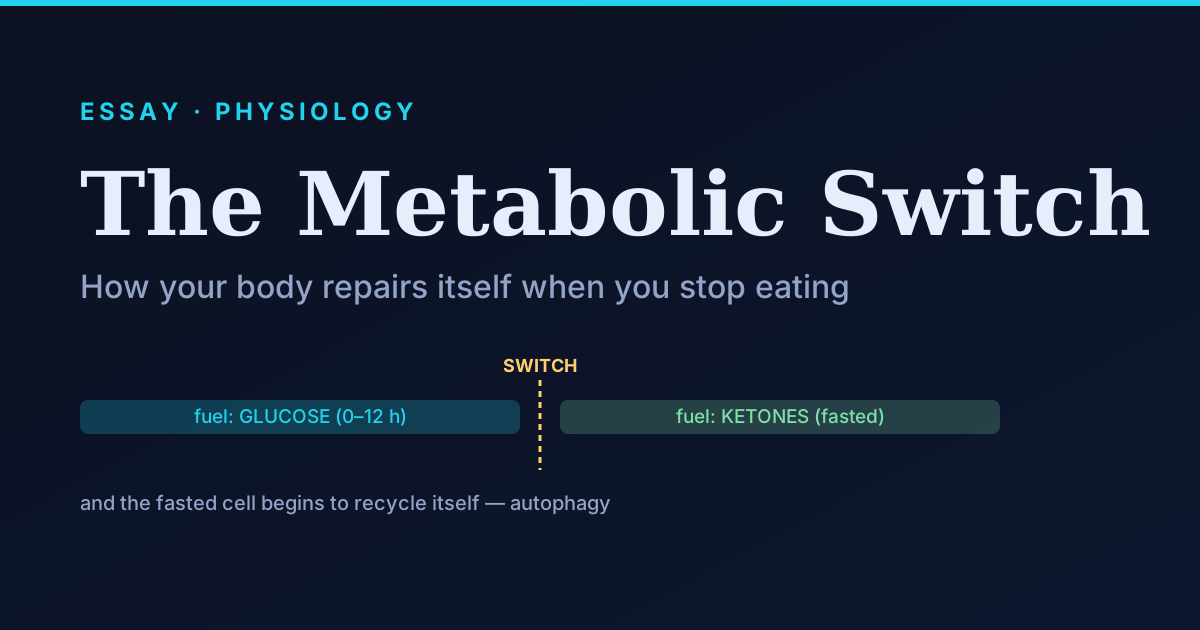
The Metabolic Switch: how your body repairs itself when you stop eating
After roughly half a day without food, the body flips from burning glucose to burning ketones, and quietly switches on a cellular recycling program called autophagy. The surprising lesson from recent research is that the benefit comes not from fasting itself, but from cycling between the fed and fasted states.
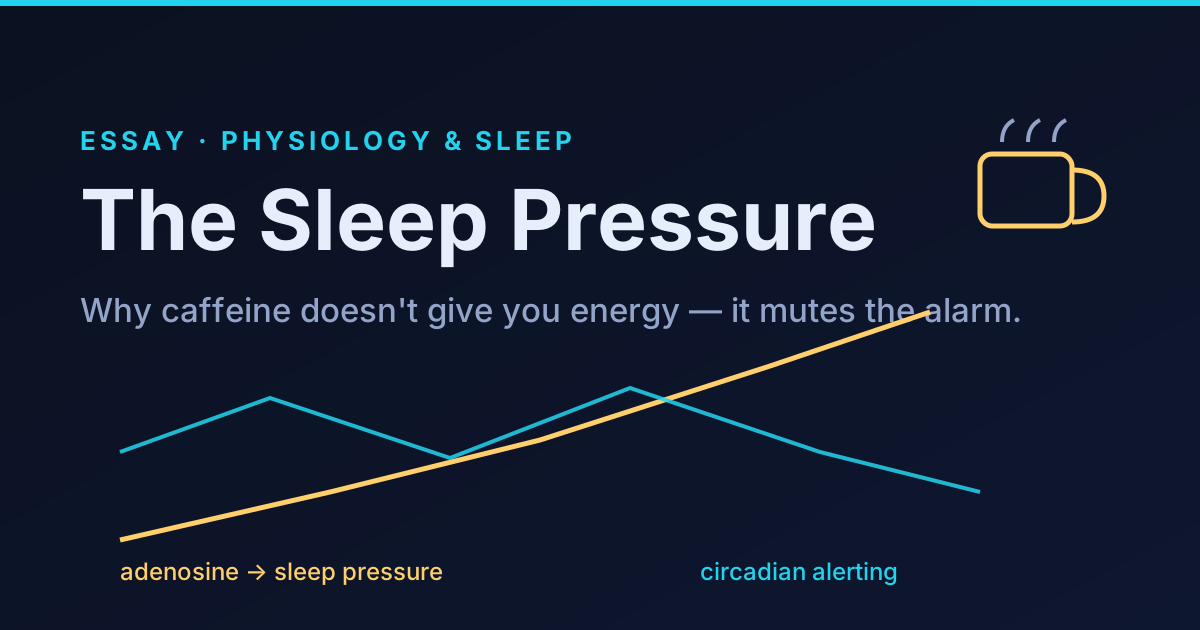
The Sleep Pressure: why caffeine doesn't give you energy, it lies to you
Caffeine adds no fuel to your brain. It jams the very lock that tells you you are tired. A tour of adenosine, the A1/A2A receptors, the two-process model of sleep, caffeine's long tail, and the crash you cannot cheat.
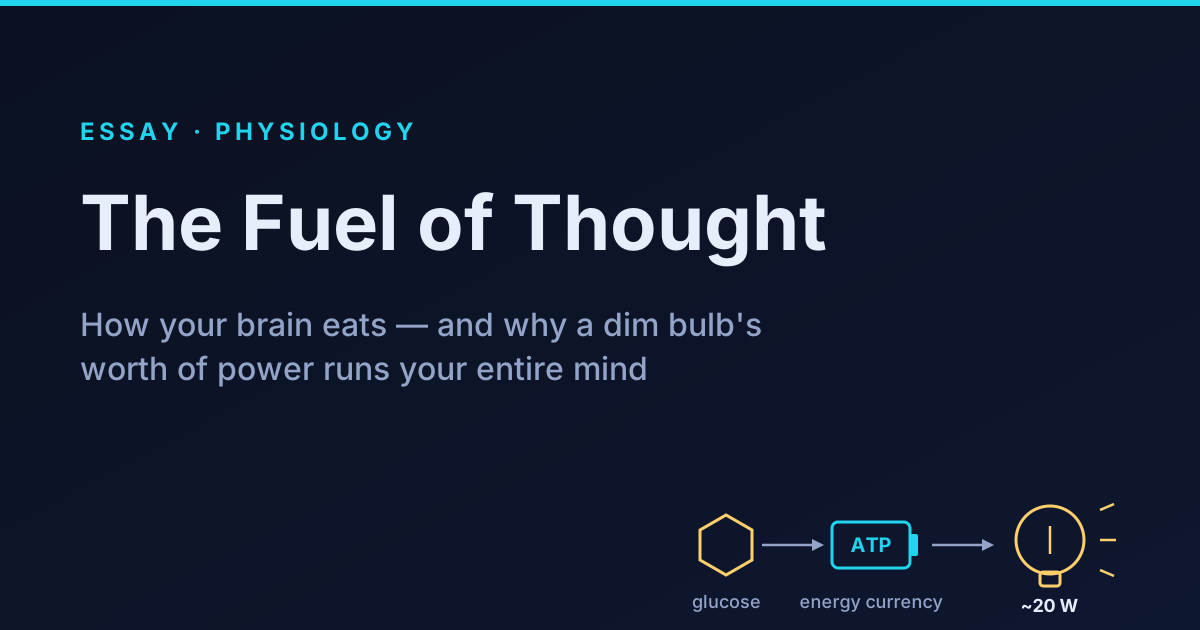
The Fuel of Thought: how your brain eats, and why a dim bulb could run it
The brain is 2% of your body but burns 20% of your energy, and yet it runs on about 20 watts, a dim LED bulb. How glucose becomes ATP, why mitochondria are the real power plants, how ketones serve as a backup fuel, and why steady blood sugar means a steady mind.
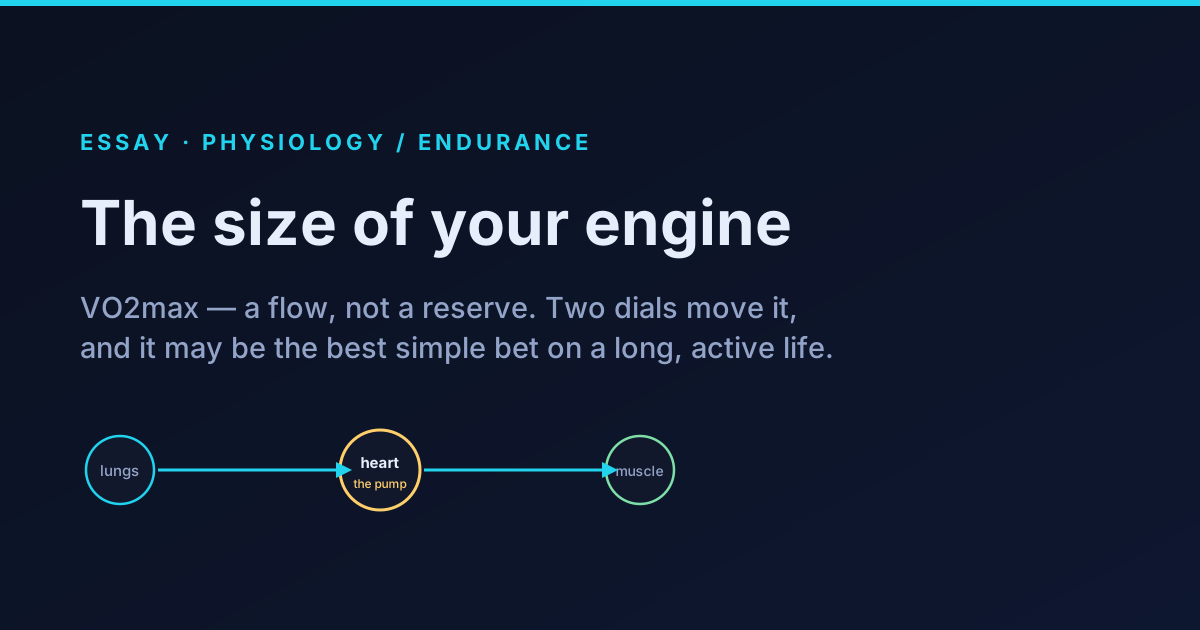
VO2max: the size of your aerobic engine
VO2max is the single number that best predicts how long an effort can last and, across large datasets, how long a life stays healthy. Here is what it actually measures, why the heart is usually the bottleneck, and the two dials that move it.