#neurotech
Powering the machines inside the human body
Every machine sealed in the human body lives on a starvation energy budget. This essay follows the watt: why batteries force repeat surgery, how power crosses living tissue, why plutonium once solved the problem, and which technologies are trying to retire the battery in 2026.
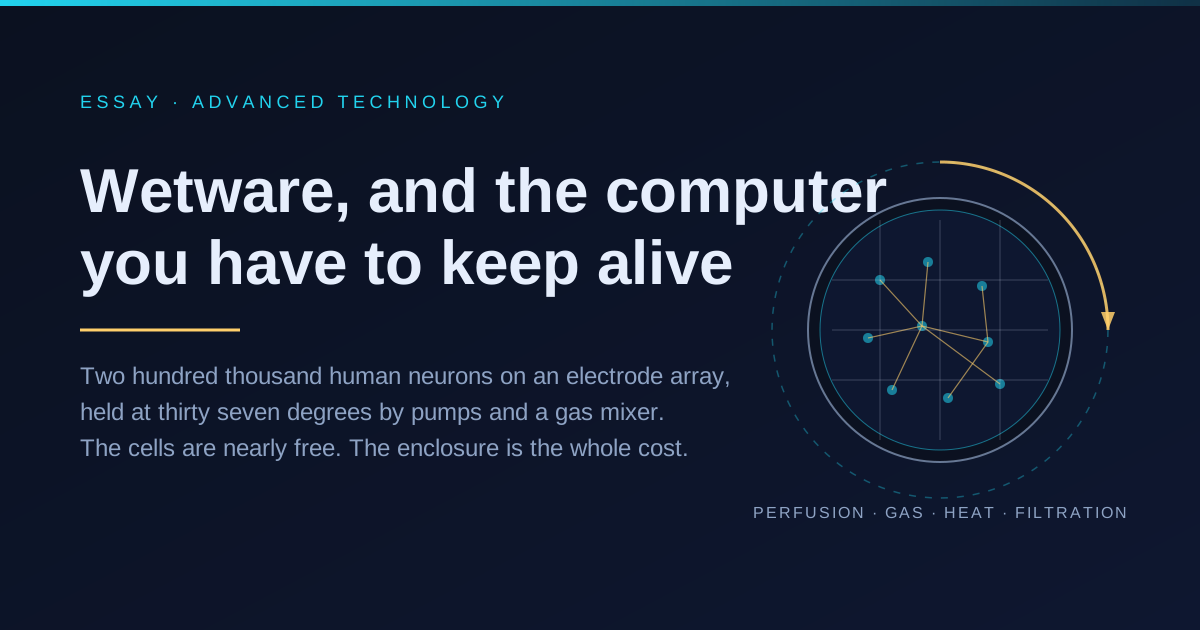
Wetware, and the computer you have to keep alive
Living neurons grown on electrode arrays are now sold as computers and rented over an API. The case for them is not energy, and the arithmetic on energy is worse than advertised. What the 2026 organoid learning results establish, and where the adaptation is actually happening.
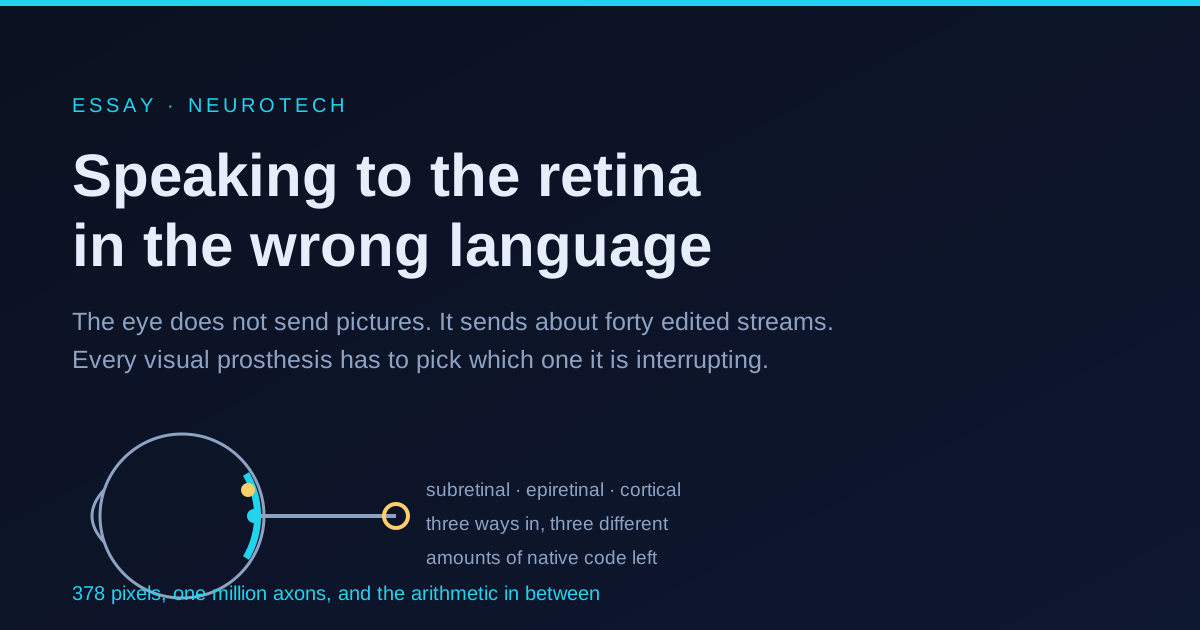
Speaking to the retina in the wrong language
Restoring sight is not a pixel count problem. The optic nerve carries around forty parallel feature streams rather than an image, and every visual prosthesis is a decision about how much of that native encoding to keep. What the 2026 clinical results actually establish, and what they leave untouched.
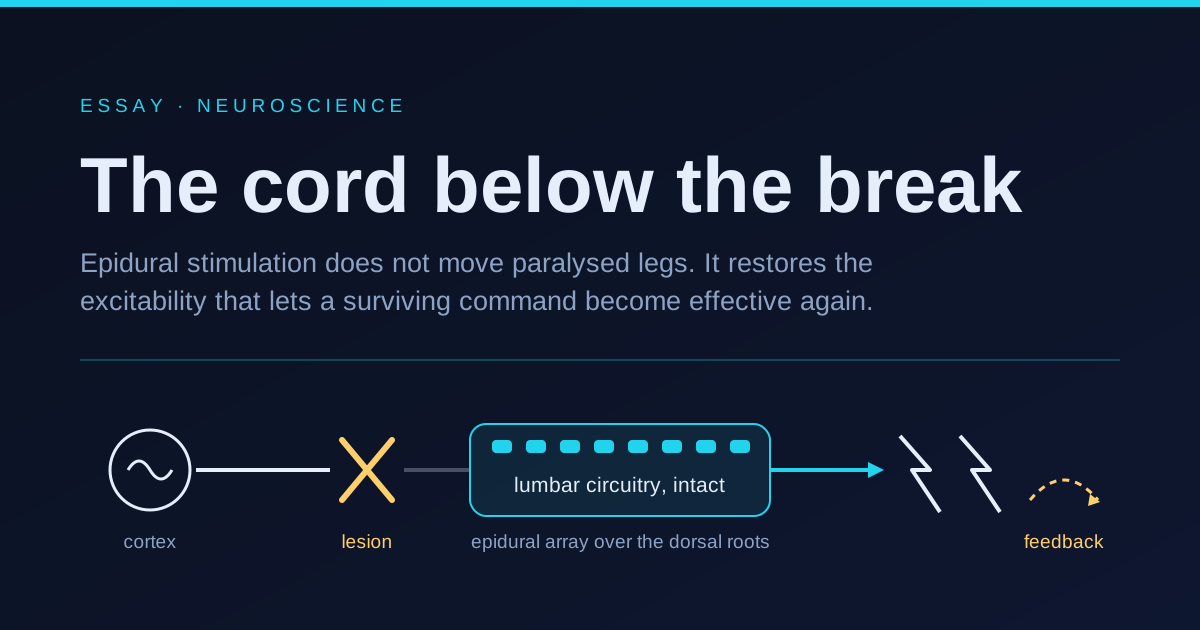
The cord below the break
Epidural stimulation of the spinal cord does not drive paralysed muscles. It stimulates sensory fibres, biases motoneurons toward threshold, and lets a surviving descending command become effective again. Why that distinction decides everything, and why the recovered circuit is not the original one.
Sound into the skull
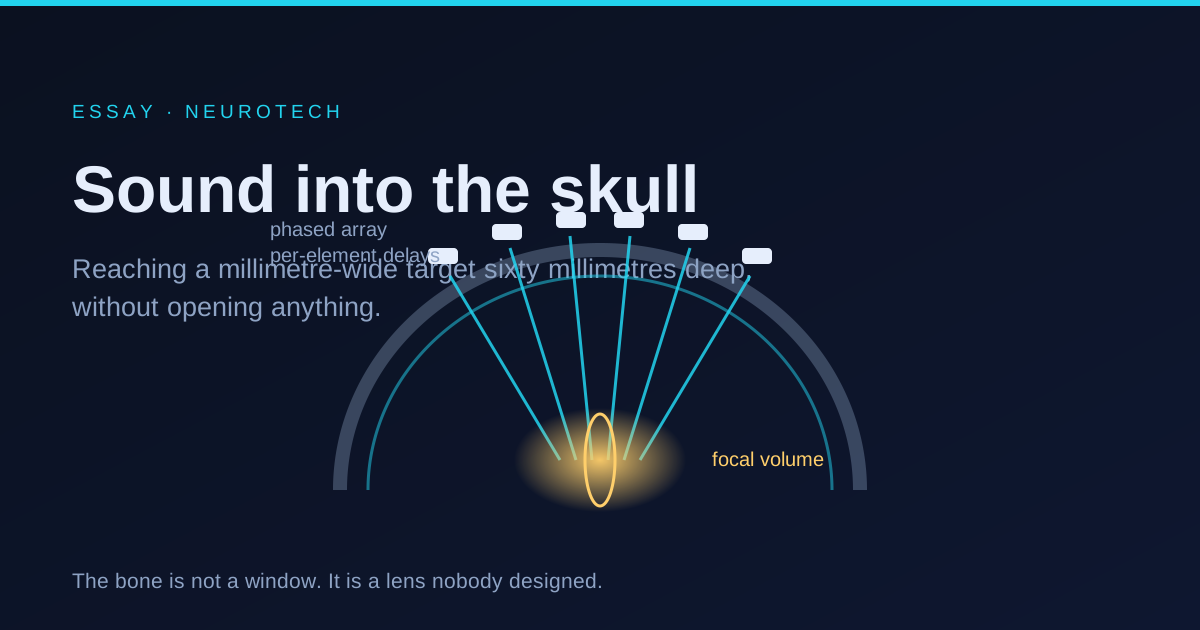
Low intensity focused ultrasound can put mechanical energy into a target sixty millimetres deep without an incision, and implanted electrodes have now recorded the effect from inside that target. The physics of why sound gets there when fields cannot, why the bone is the hard part, and why nobody can yet say what the sound does to a neuron.
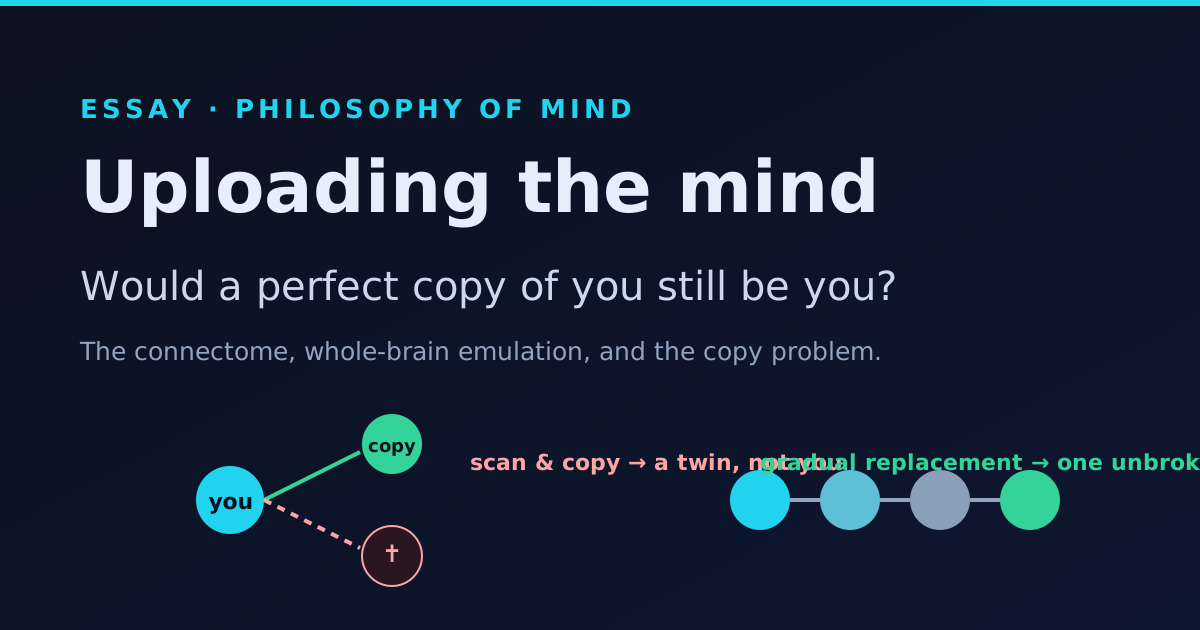
Uploading the mind: would a perfect copy of you still be you?
Copying a mind into a machine raises two questions people constantly confuse: is it technically possible, and would the copy be you? The connectome, whole-brain emulation, and the copy problem.