#neuroscience
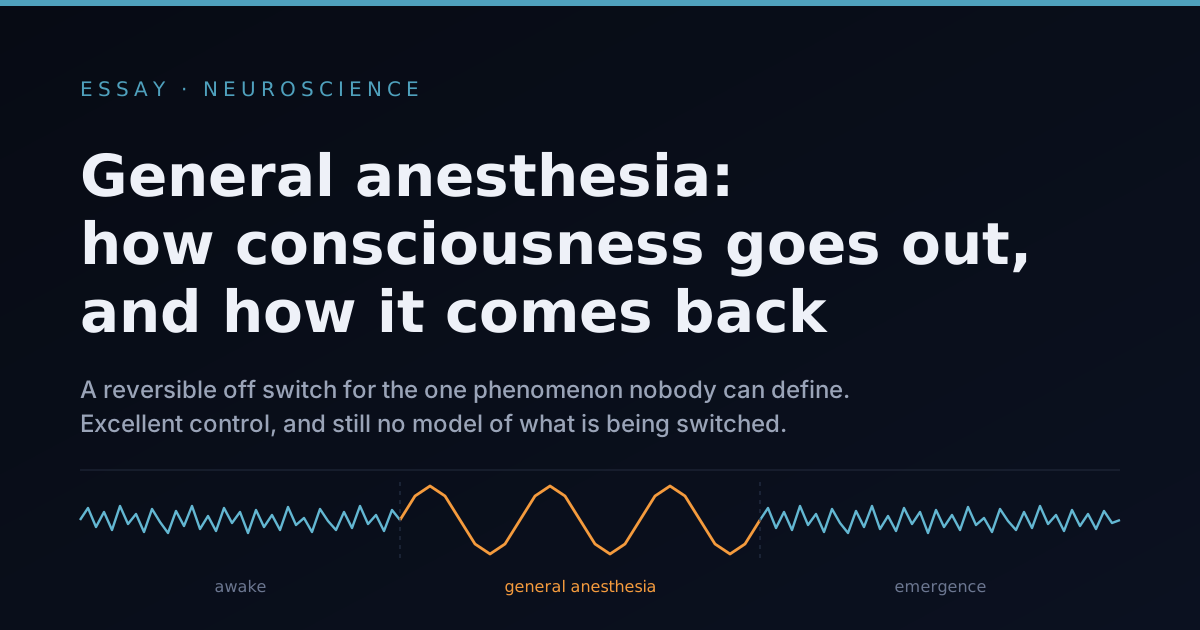
General anesthesia: how consciousness goes out, and how it comes back
Anesthesia is the only routine intervention that removes consciousness on schedule and reliably gives it back, which makes it the best experimental handle the science of consciousness has. It is also a standing demonstration of how far control can run ahead of understanding.
Astrocytes and memory: the brain's second, slower trace
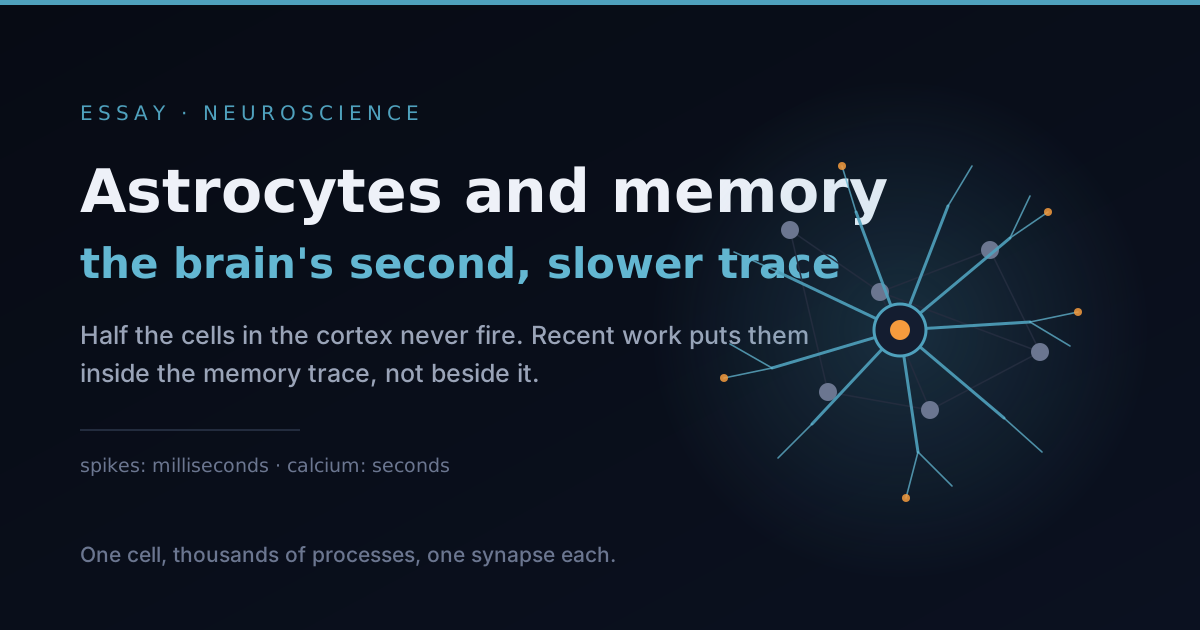
Half the cells in the cortex never fire an action potential, and for a century they were filed as support tissue. Tagging experiments from 2025 and 2026 put a sparse set of astrocytes inside the memory trace itself, which forces an uncomfortable question: what does a cell that signals in seconds contribute to a memory?
The neural manifold: why some brain-computer interfaces cannot be learned
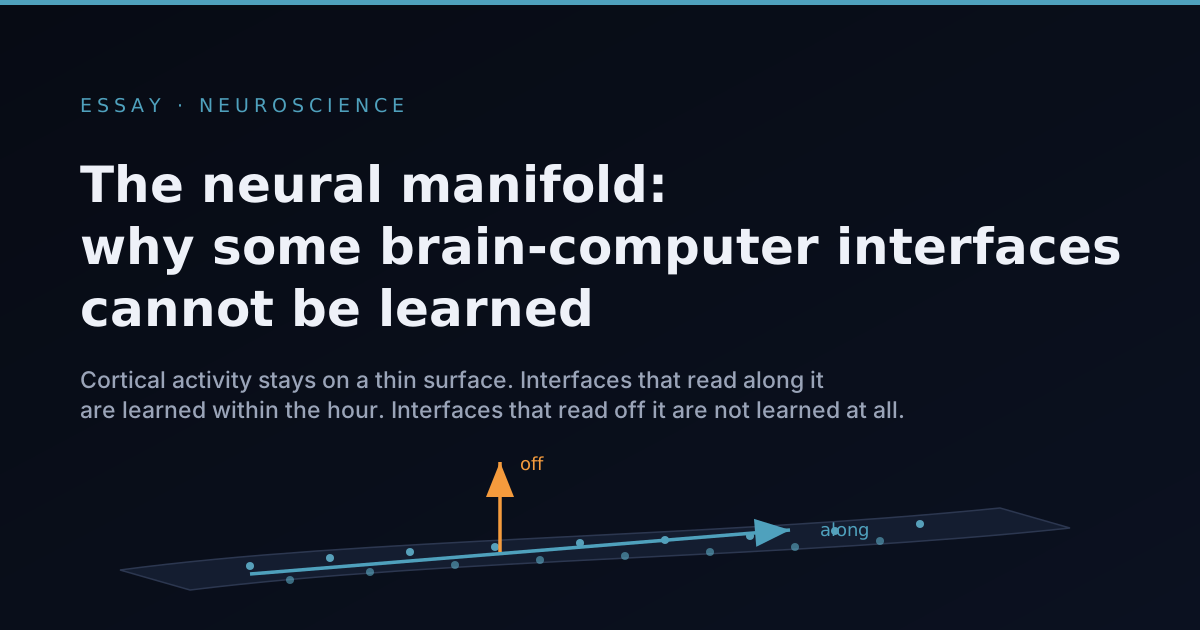
Activity in a cortical network does not fill the space it could occupy. It stays on a thin surface, and a 2026 human study shows that an interface reading along that surface is mastered within the hour, while an interface reading off it is never learned at all.
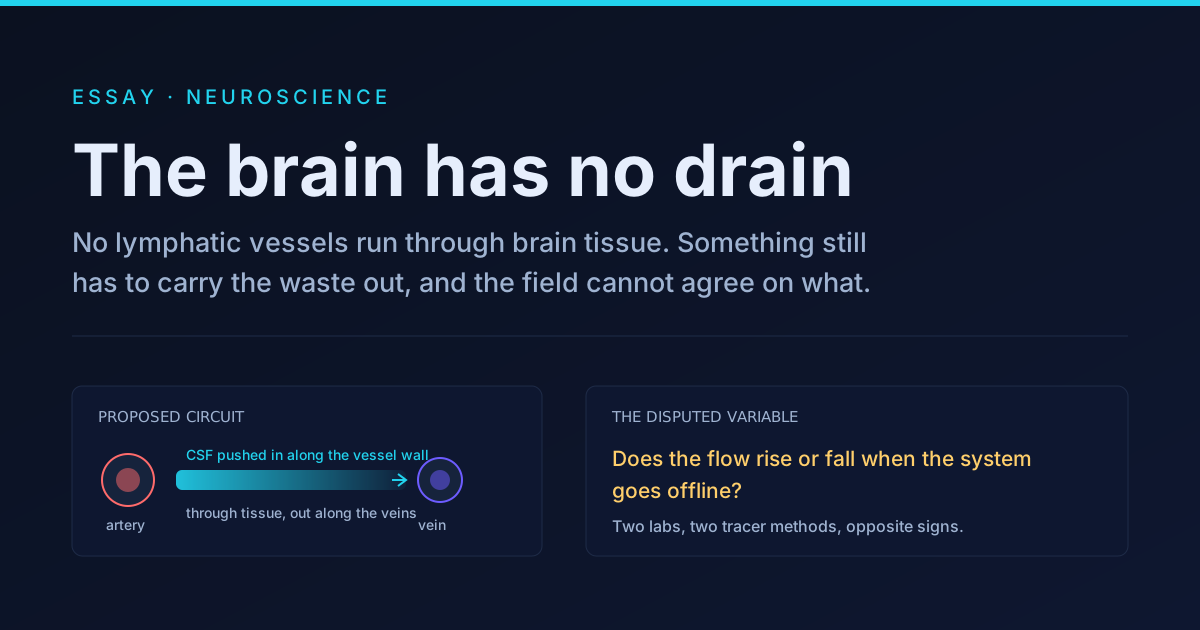
How the brain clears its waste while you sleep
Every other organ removes its waste through lymphatic vessels. Brain tissue has none, and diffusion alone is far too slow at organ scale. The proposed answer is a fluid circuit that runs hardest when the system goes offline, and after thirteen years the field still cannot agree on the sign of the effect.
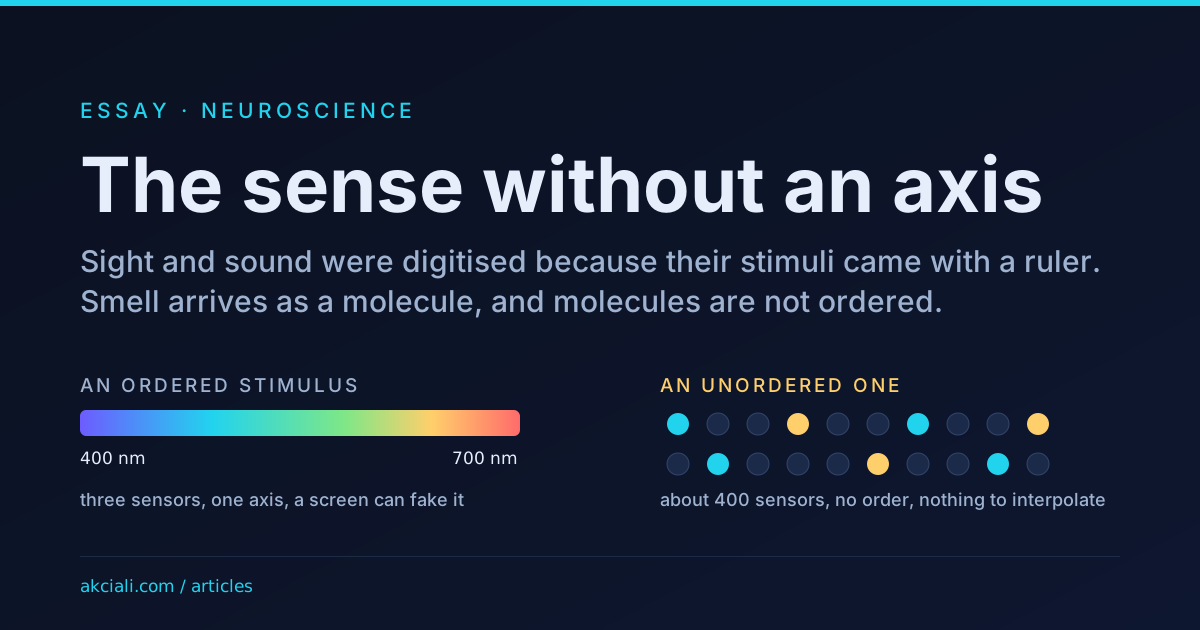
Why smell is the sense we still can't digitise
Sight and hearing were digitised because their stimuli come with a physical ruler. Smell has none, which is why the map of odour had to be learned from perception rather than derived from chemistry, and why prediction has advanced while capture and reproduction have not.
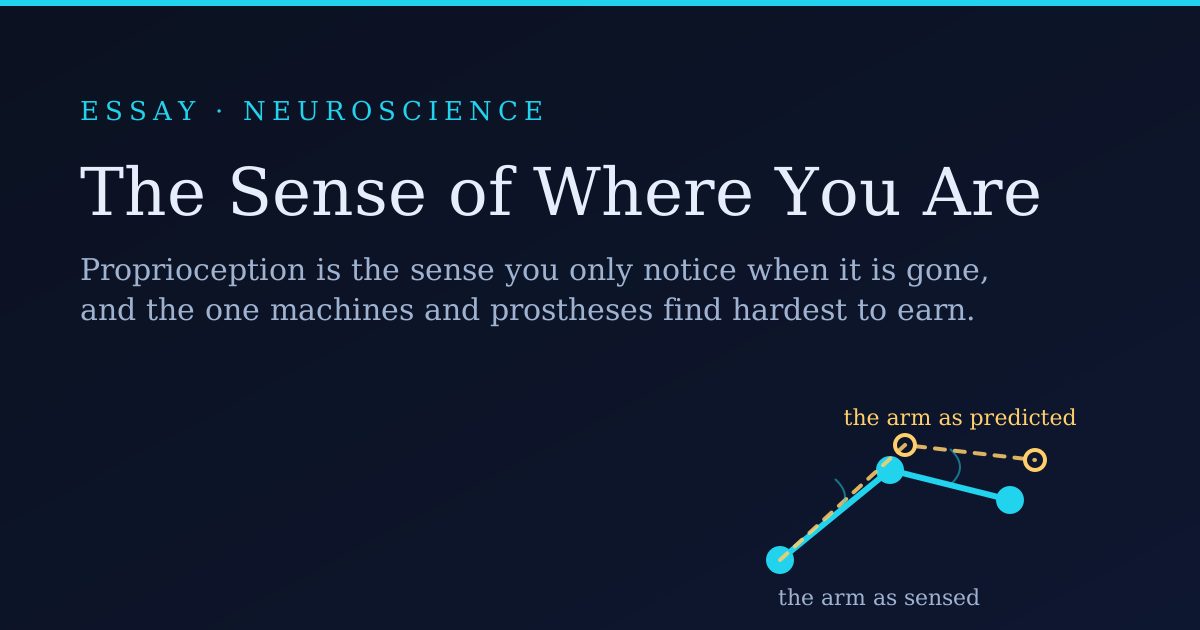
The Sense of Where You Are
Proprioception, the body's silent sense of its own position, is easy to overlook and catastrophic to lose. This essay follows it from muscle spindles to forward models, and asks why robots with perfect encoders still lack it while surgeons are learning to rebuild it.
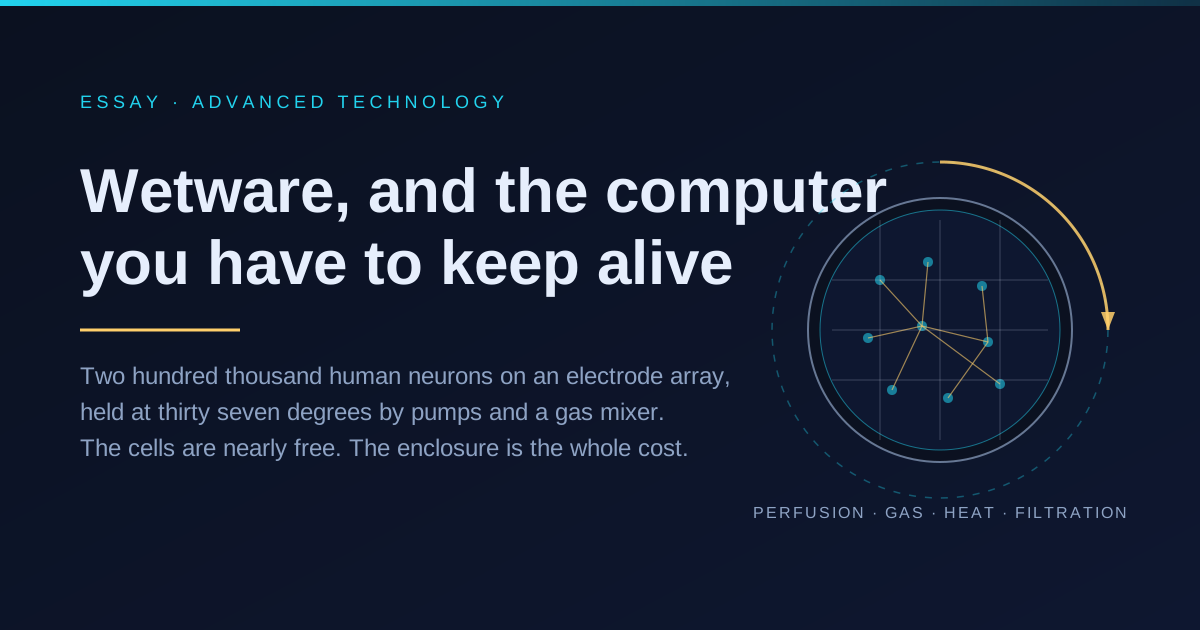
Wetware, and the computer you have to keep alive
Living neurons grown on electrode arrays are now sold as computers and rented over an API. The case for them is not energy, and the arithmetic on energy is worse than advertised. What the 2026 organoid learning results establish, and where the adaptation is actually happening.
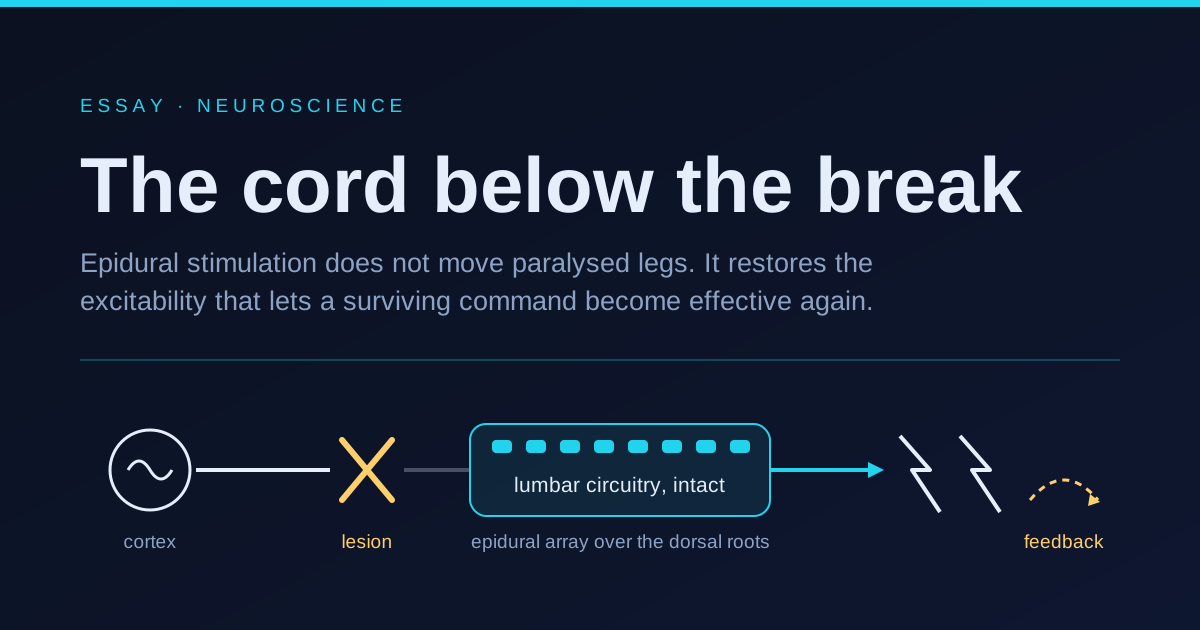
The cord below the break
Epidural stimulation of the spinal cord does not drive paralysed muscles. It stimulates sensory fibres, biases motoneurons toward threshold, and lets a surviving descending command become effective again. Why that distinction decides everything, and why the recovered circuit is not the original one.
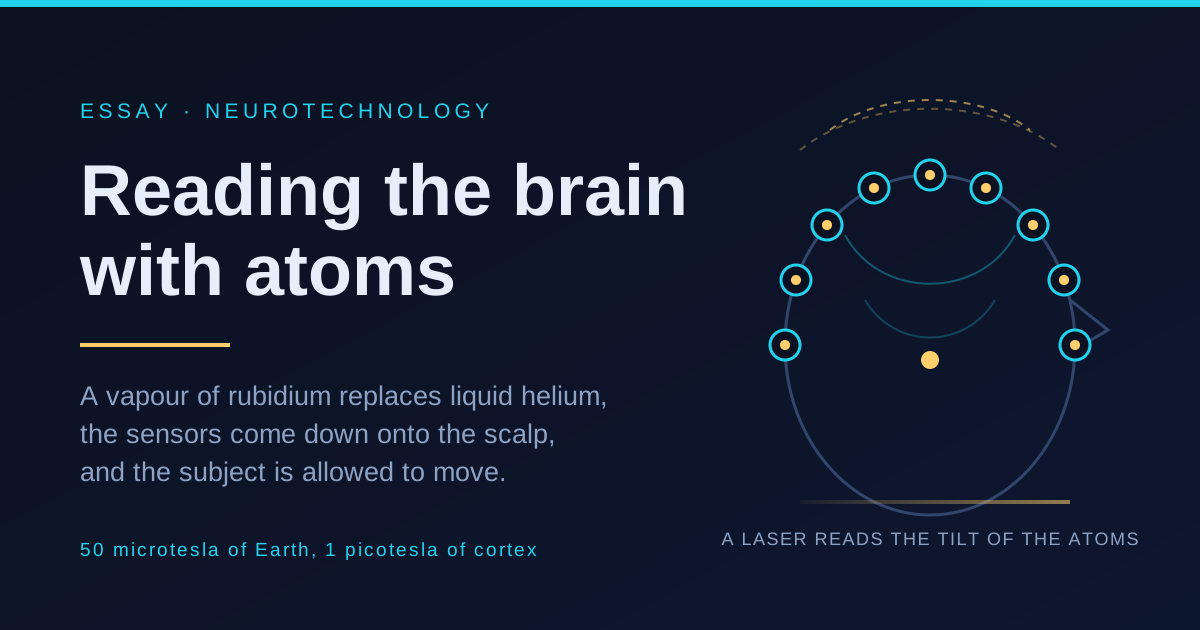
Reading the brain with atoms
Magnetoencephalography spent fifty years requiring liquid helium, a rigid one-size helmet and a subject who does not move. Optically pumped magnetometers put the sensors directly on the scalp of a person who walks, and the gain in signal is real, but every constraint that was lifted reappeared somewhere else.
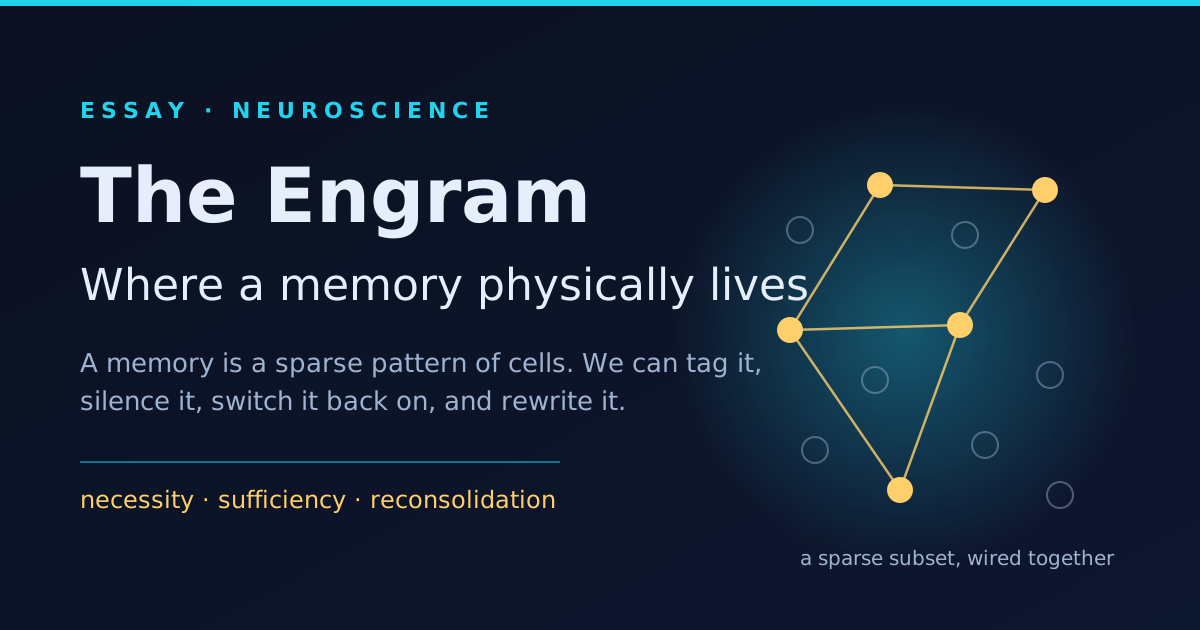
The Engram: Where a Memory Physically Lives
A memory is a physical object: a sparse pattern of neurons that can be tagged, silenced, switched back on, and rewritten every time you recall it.
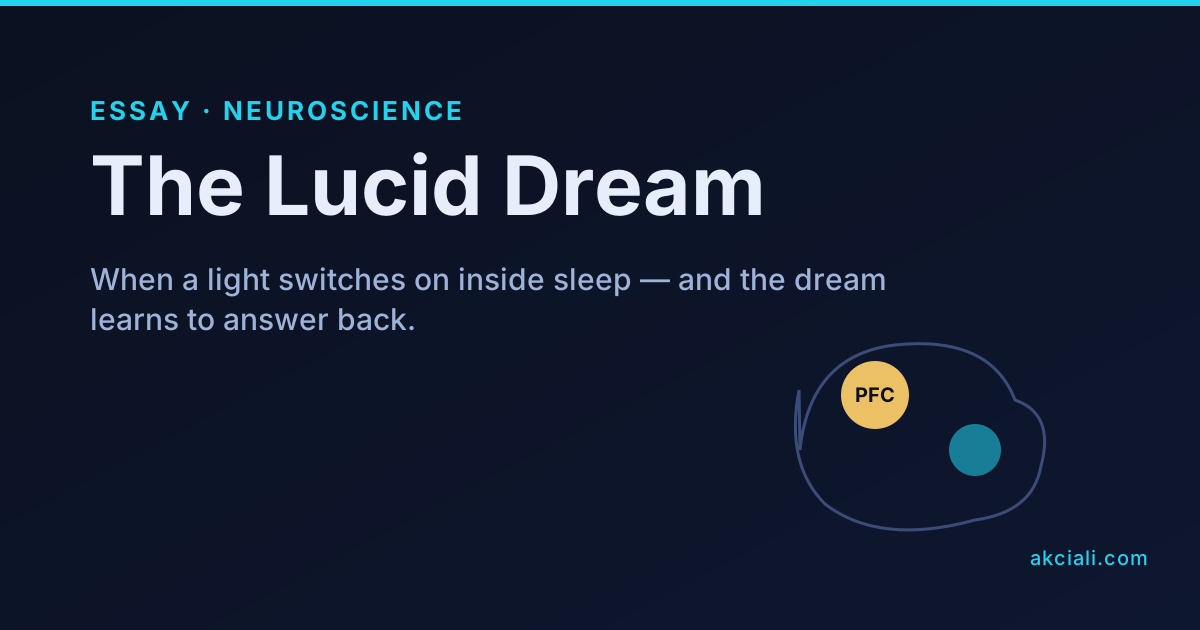
The Lucid Dream: how a light switches on inside sleep
Realising you are dreaming while you dream is not mysticism: it is a distinct, measurable brain state. A tour of the hybrid brain, the eye-signal that proved it, the first real-time conversations with sleepers, and how lucidity can be trained.
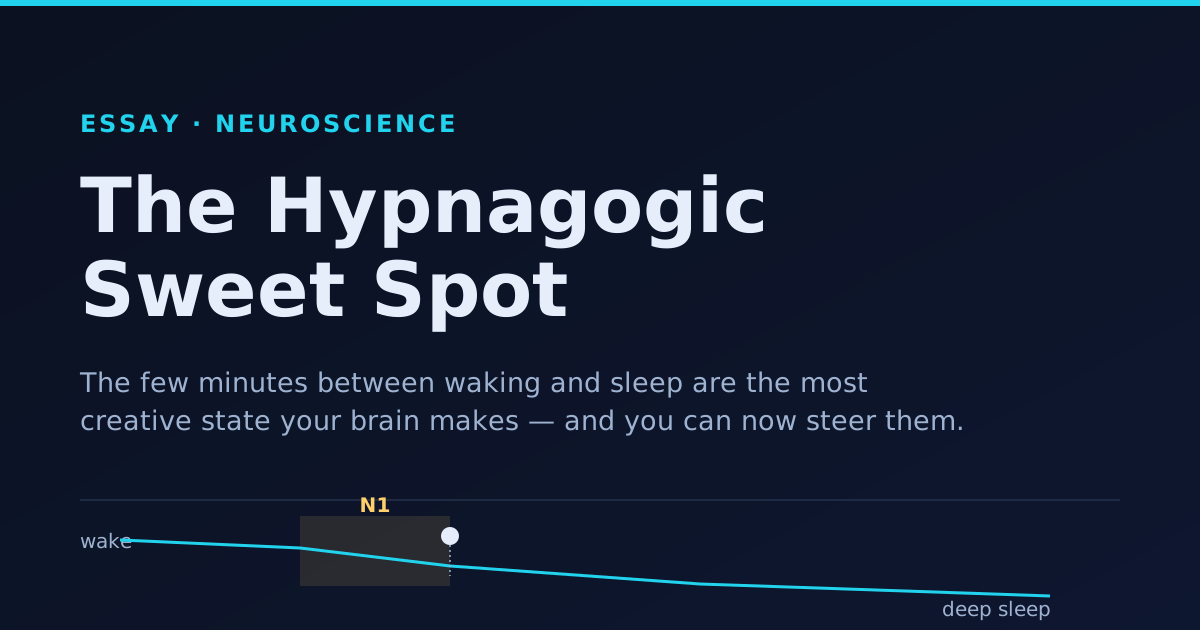
The Hypnagogic Sweet Spot: Engineering the Half-Dream
Every night you pass through a doorway you never notice: the minute or two between waking and sleep. It turns out to be the most creative state your brain produces all day, and with a trick as old as Edison and a device as new as MIT's Dormio, one you can deliberately harvest and even steer.
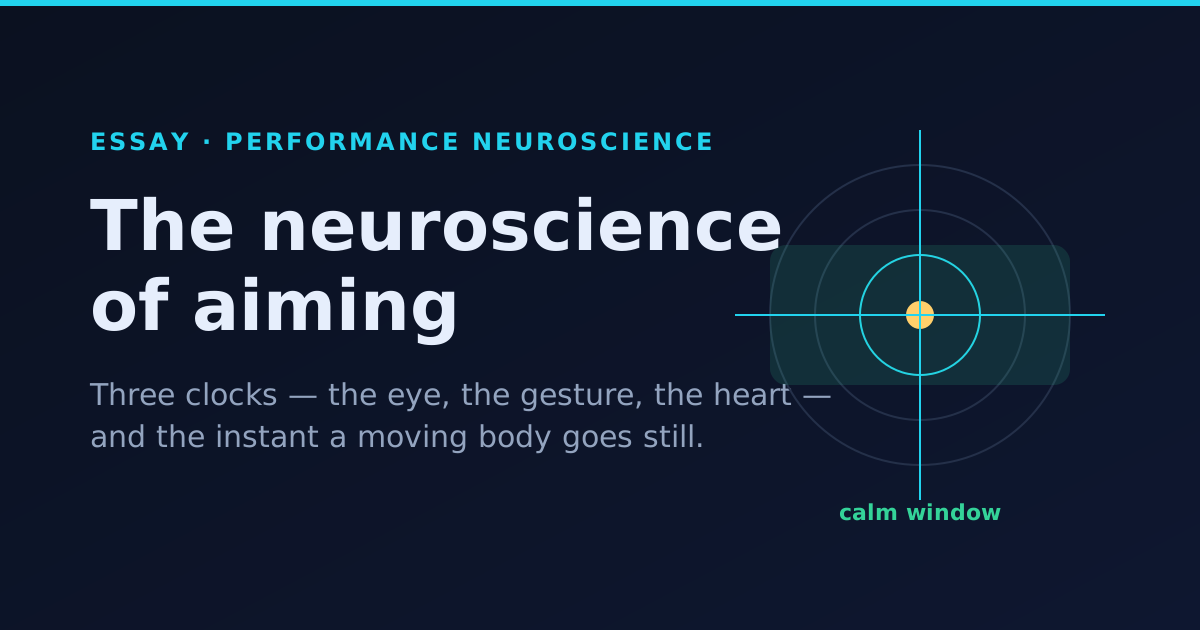
The neuroscience of aiming: how a body finds its moment of stillness
A precision shot is won in a body that never holds still. The quiet eye, a predictive motor gesture, and cardiac gating: three clocks that experts learn to align.
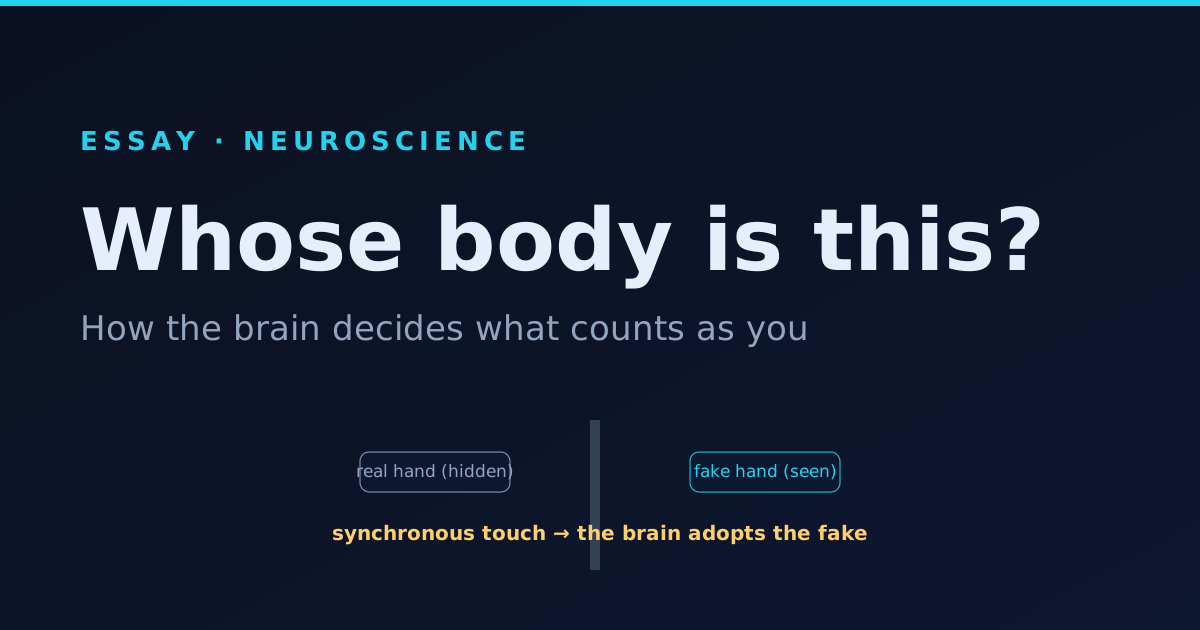
Whose body is this? How the brain decides what counts as you
Owning a body is not a fact but a hypothesis the brain keeps rebuilding from vision, touch and proprioception. The rubber hand illusion hijacks it in three minutes, and the same mechanism lets us inhabit avatars and robotic bodies.
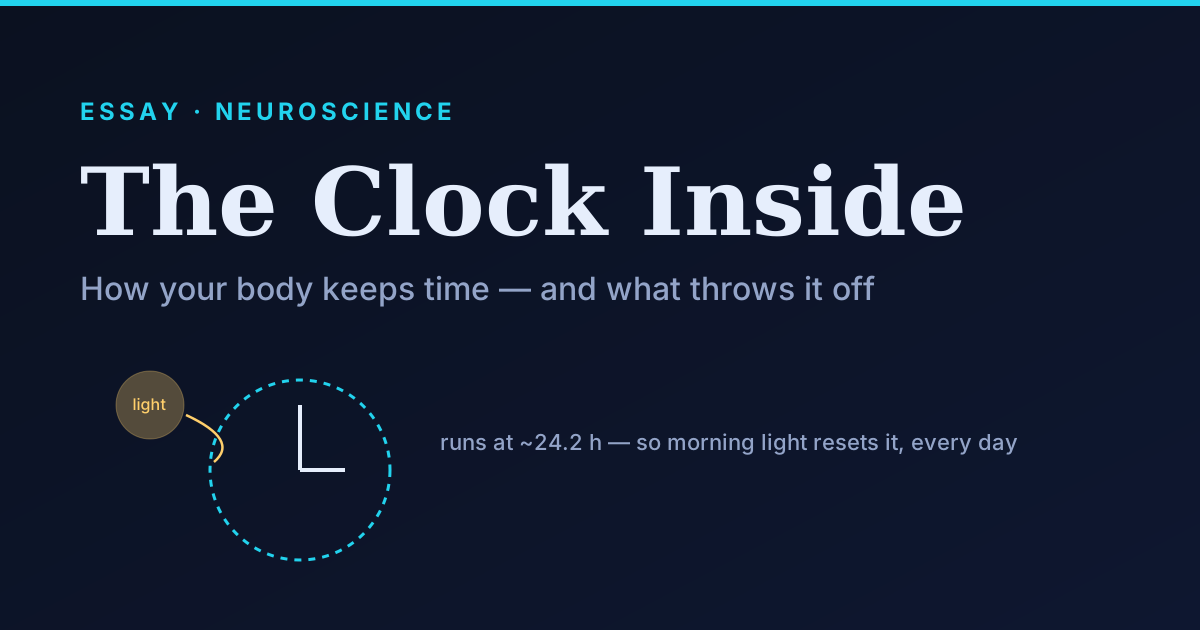
The Clock Inside: how your body keeps time, and what throws it off
Locked in a cave with no light and no watch, you would still sleep and wake on a near-24-hour cycle. A master clock in the brain runs that rhythm, but it drifts slightly, and needs light to reset it every day. Miss the reset, and the whole body falls out of step.
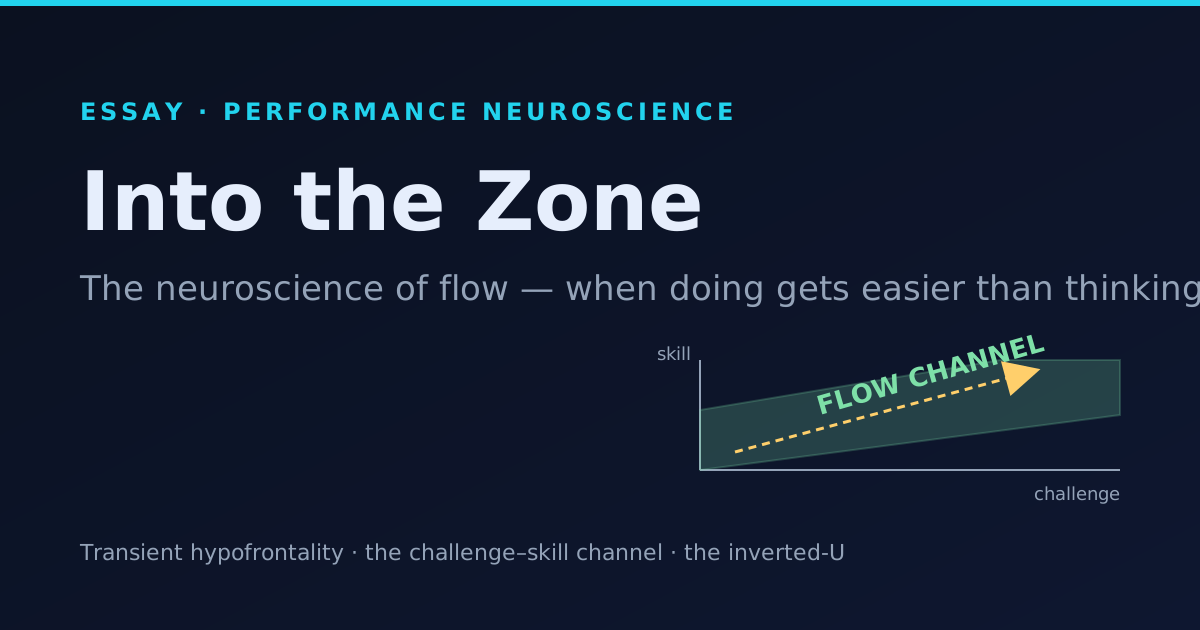
Into the Zone: The Neuroscience of Flow
Flow, the state athletes call the zone, turns out to rest on a single counter-intuitive mechanism: the brain's supervisor going quiet. A tour of the challenge–skill channel, transient hypofrontality, and what 2026 measurement adds.
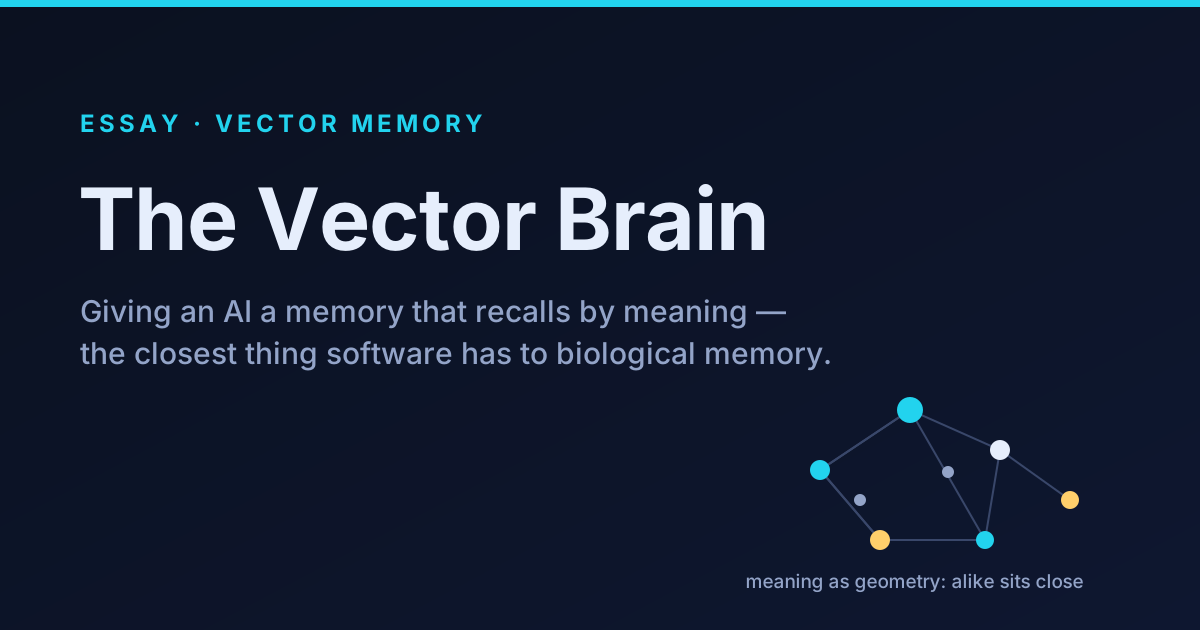
The vector brain: giving an AI a memory that thinks in meaning
Why a vector database is the closest thing software has to biological memory, and how one shared vector store becomes the brain behind very different applications.
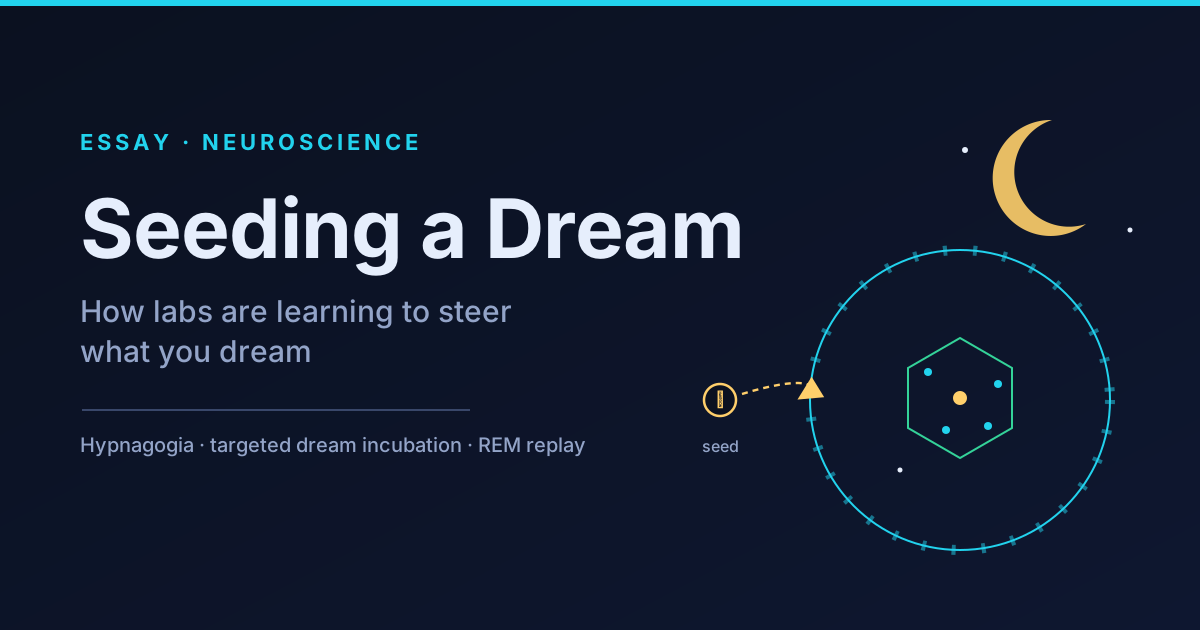
Seeding a Dream: how labs are learning to steer what you dream
For millennia we have wished we could command our dreams. Labs finally can: not by dictating them, but by seeding a theme at the threshold of sleep and replaying a memory in REM. A tour of hypnagogia, targeted dream incubation, and two-way conversations with dreamers.
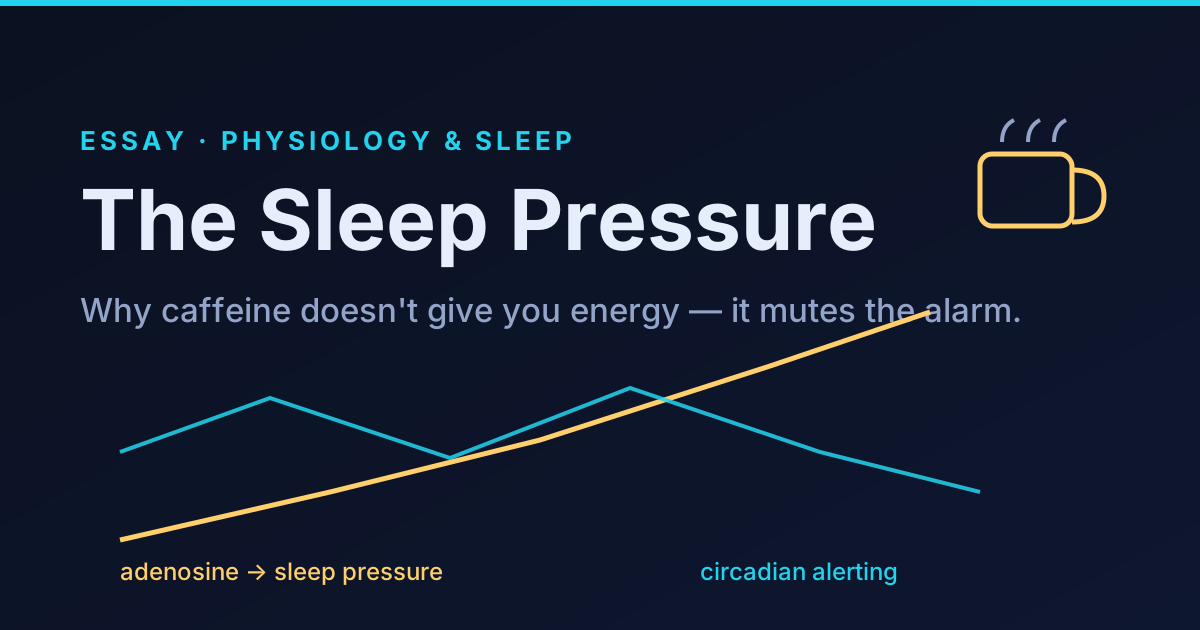
The Sleep Pressure: why caffeine doesn't give you energy, it lies to you
Caffeine adds no fuel to your brain. It jams the very lock that tells you you are tired. A tour of adenosine, the A1/A2A receptors, the two-process model of sleep, caffeine's long tail, and the crash you cannot cheat.
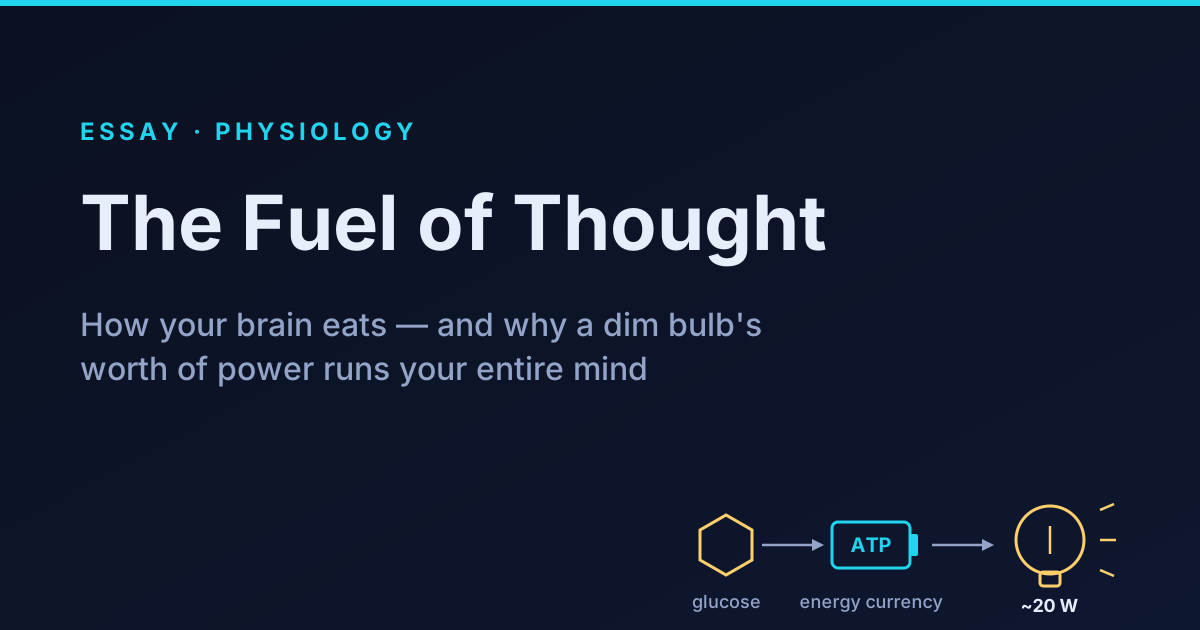
The Fuel of Thought: how your brain eats, and why a dim bulb could run it
The brain is 2% of your body but burns 20% of your energy, and yet it runs on about 20 watts, a dim LED bulb. How glucose becomes ATP, why mitochondria are the real power plants, how ketones serve as a backup fuel, and why steady blood sugar means a steady mind.
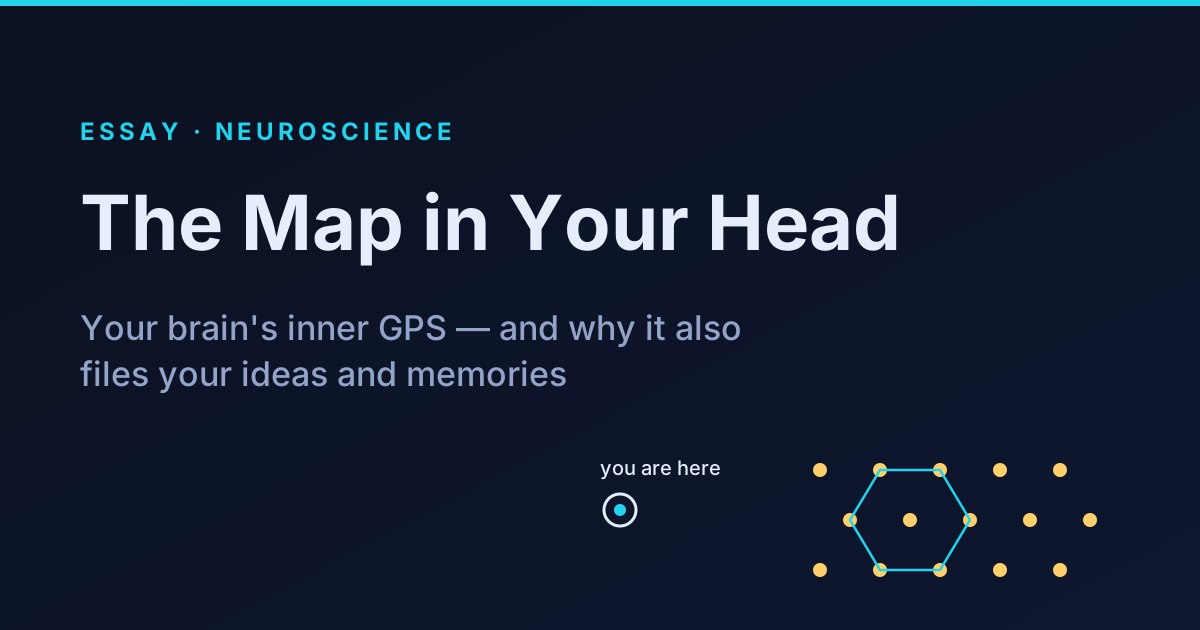
The Map in Your Head: your brain's inner GPS, and why it files your ideas
Two kinds of neuron let you know where you are: place cells that say 'you are here' and grid cells that lay down a honeycomb of coordinates. The surprise is that the brain reuses this same map to organise concepts and memories, which is exactly why the ancient memory-palace trick works.
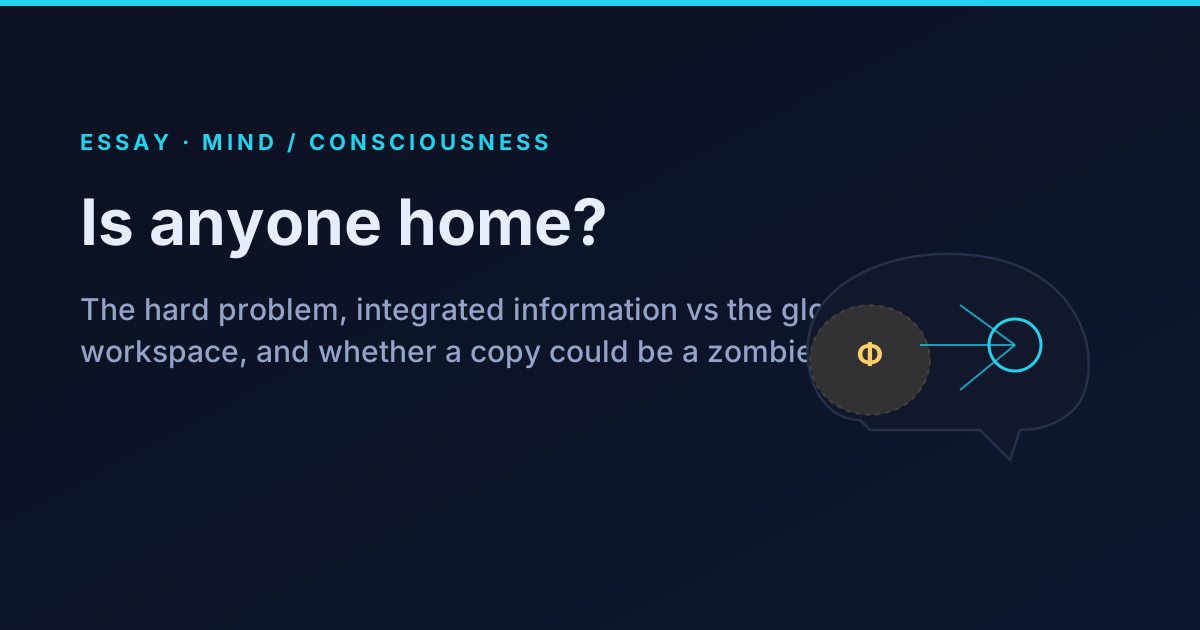
Is anyone home? The science of consciousness
We are getting better at explaining what the brain does, yet still cannot say why any of it is accompanied by an inner experience. That gap (the hard problem) pits two rival theories of consciousness against each other, with very different verdicts on whether a machine could ever be awake inside.
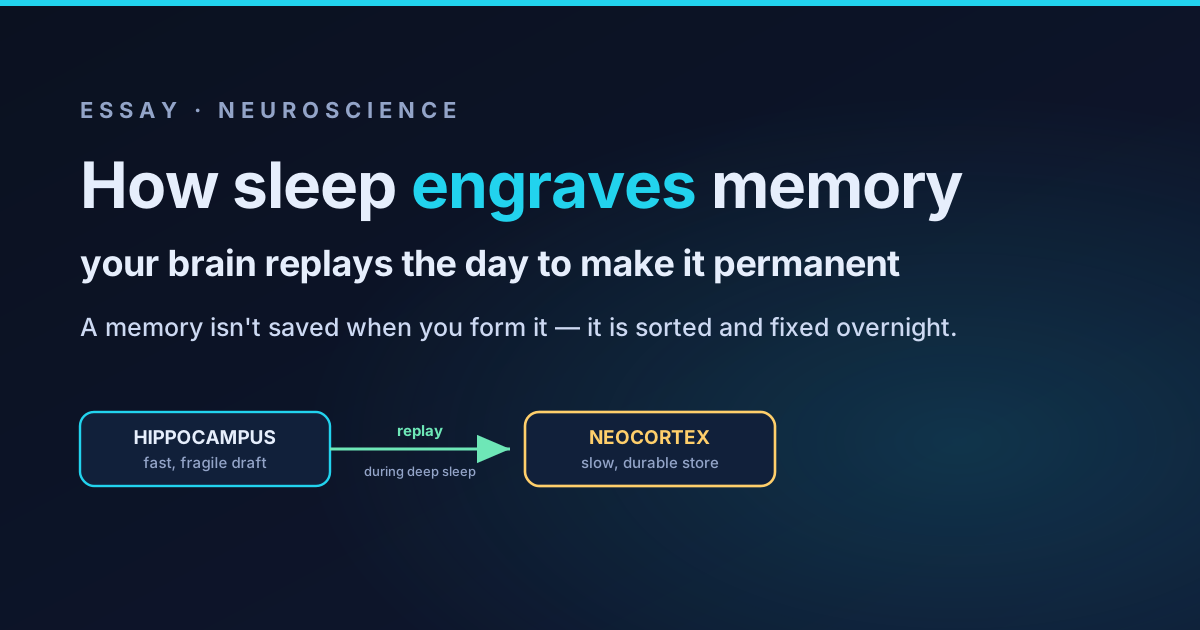
How sleep engraves memory
A memory is not saved at the moment you form it. It is replayed, sorted and fixed while you sleep, by three brain rhythms that must interlock at exactly the right instant. How the night does the editing, and why forgetting is a feature.
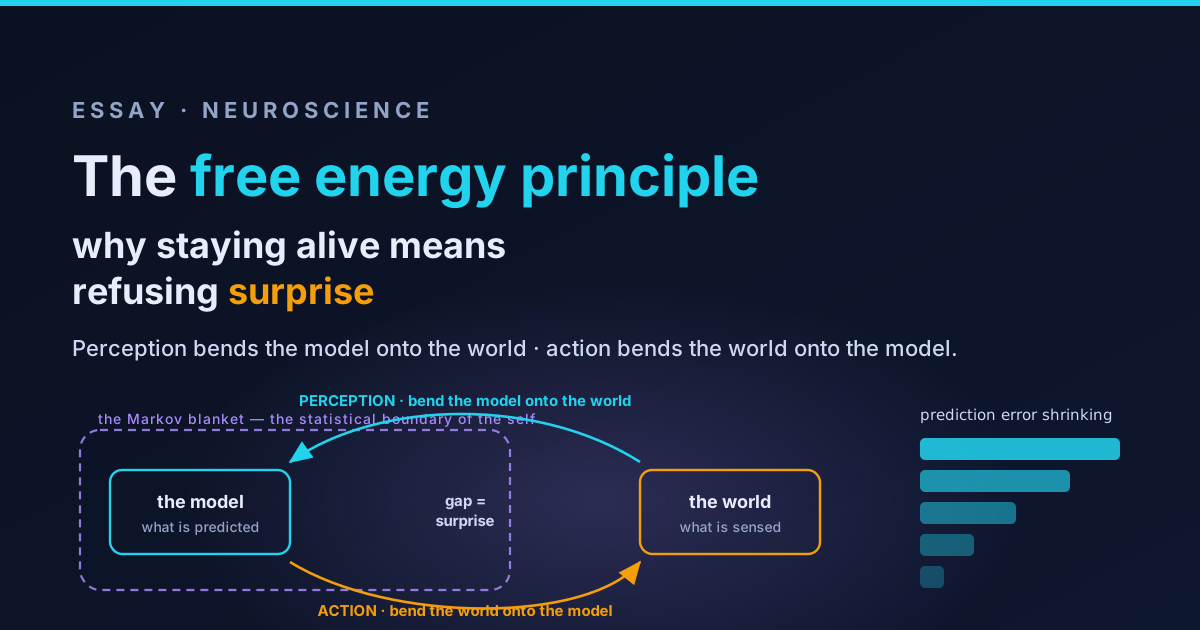
The free energy principle: why staying alive means refusing surprise
Karl Friston's free energy principle tries to derive perception, action, attention, and even the boundary of the self from a single imperative: keep surprise low. A walk up its steps, by images rather than equations.
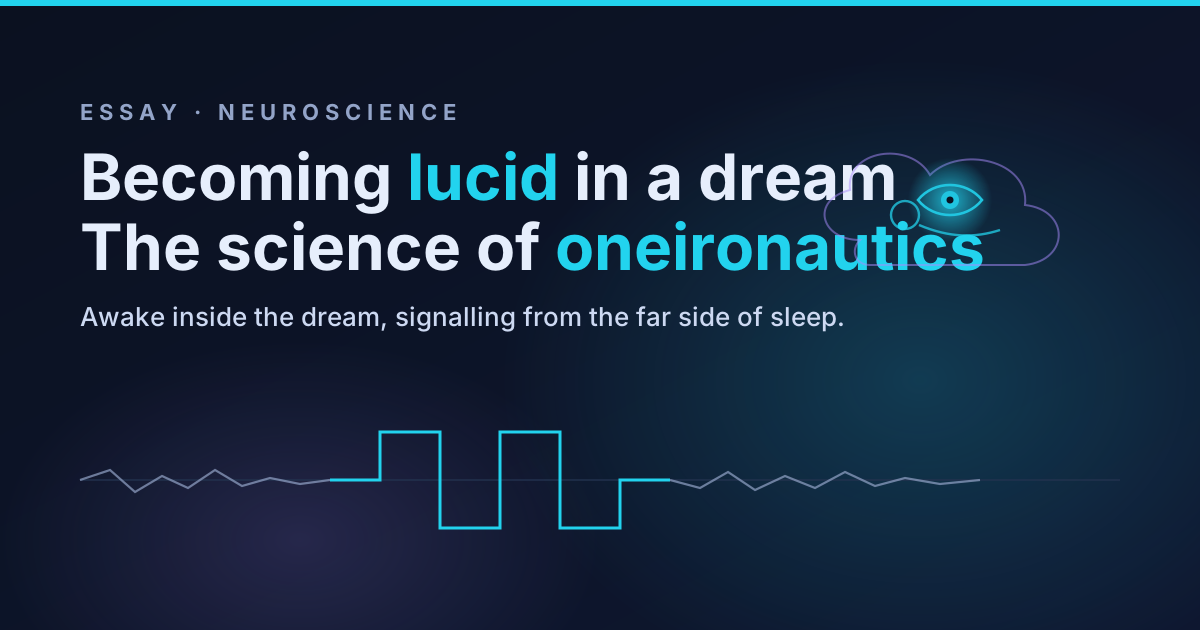
Becoming lucid in a dream: the science of oneironautics
There is a state in which one knows one is dreaming, while dreaming, and can act on the dream without waking. How laboratories proved it, what the lucid brain is doing, and the techniques that reliably raise the odds.
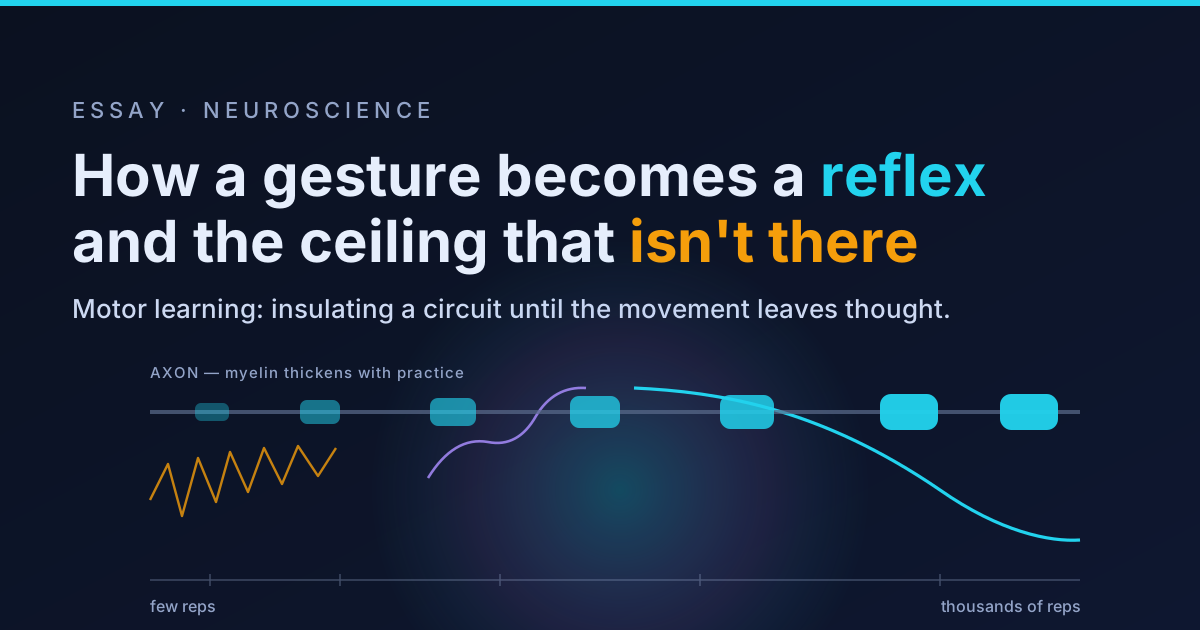
How a gesture becomes a reflex: motor learning and the ceiling that isn't there
An expert movement is not a thought performed faster: it is a movement that has left thought entirely. On the power law, myelin, sleep, and why the plateau is mostly an illusion.
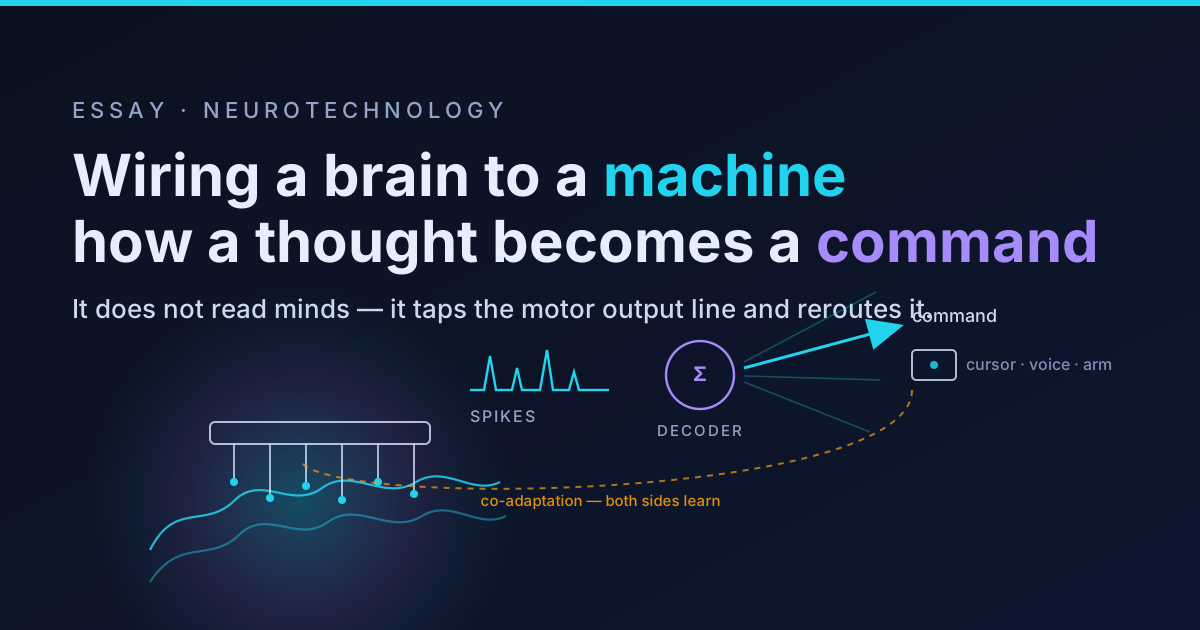
Wiring a brain to a machine: how a thought becomes a command
A brain-machine interface does not read minds. It taps the motor output line and reroutes it. A walk through the four stages, the decoder, and the mutual learning that makes the coupling work.
The factory of dreams: what your brain builds when no one is watching
Every night the brain runs roughly two hours of pure generative simulation. A look at why dreams are so vivid, why they vanish on waking, and what they might be for.
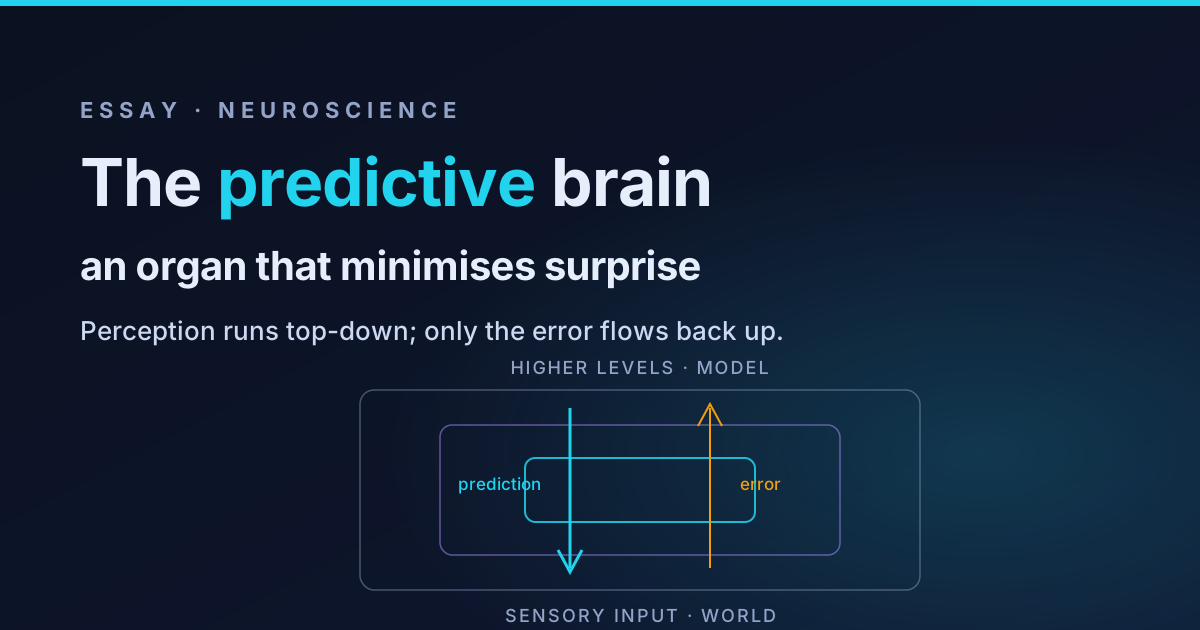
The predictive brain: an organ that spends its life minimising surprise
Predictive processing flips perception on its head: the brain does not passively receive the world, it constantly predicts it and transmits only the error. A look at what that reframing explains: about attention, dreams, and the kinship between brains and machines.