#memory
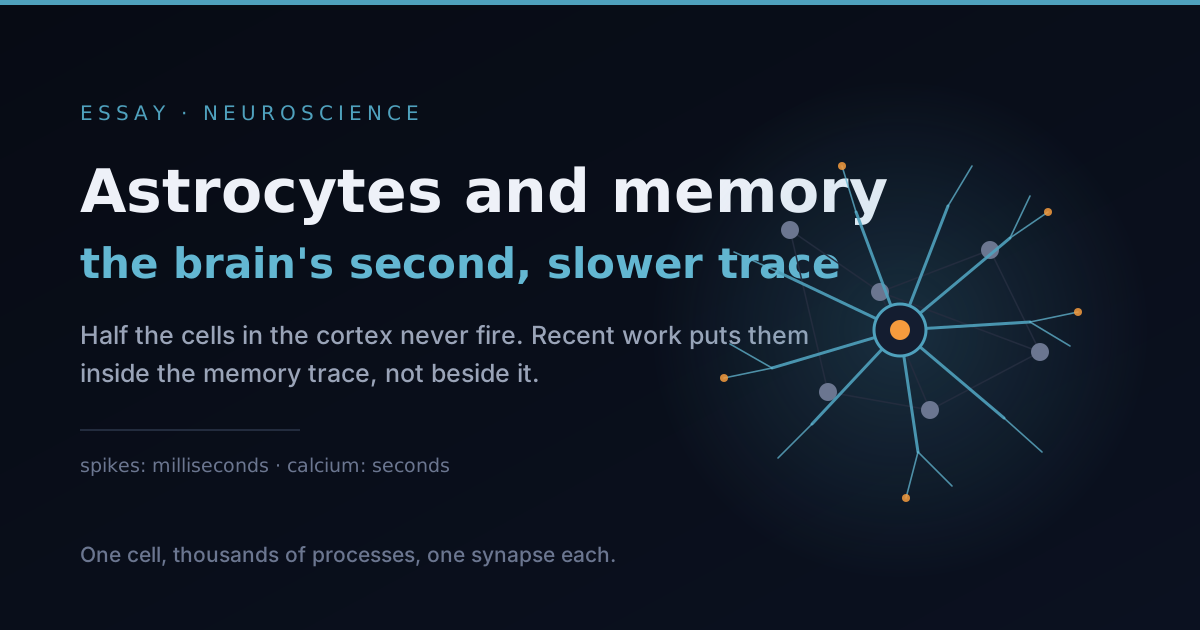
Astrocytes and memory: the brain's second, slower trace
Half the cells in the cortex never fire an action potential, and for a century they were filed as support tissue. Tagging experiments from 2025 and 2026 put a sparse set of astrocytes inside the memory trace itself, which forces an uncomfortable question: what does a cell that signals in seconds contribute to a memory?
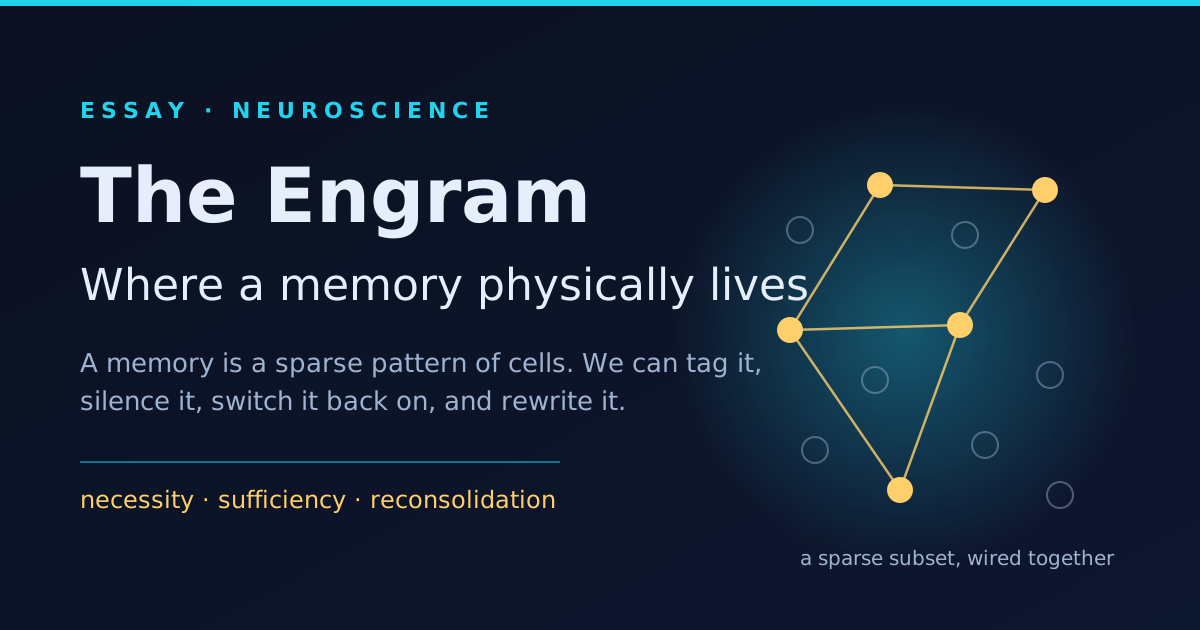
The Engram: Where a Memory Physically Lives
A memory is a physical object: a sparse pattern of neurons that can be tagged, silenced, switched back on, and rewritten every time you recall it.
Seeding a Dream: how labs are learning to steer what you dream
For millennia we have wished we could command our dreams. Labs finally can: not by dictating them, but by seeding a theme at the threshold of sleep and replaying a memory in REM. A tour of hypnagogia, targeted dream incubation, and two-way conversations with dreamers.

The Map in Your Head: your brain's inner GPS, and why it files your ideas
Two kinds of neuron let you know where you are: place cells that say 'you are here' and grid cells that lay down a honeycomb of coordinates. The surprise is that the brain reuses this same map to organise concepts and memories, which is exactly why the ancient memory-palace trick works.

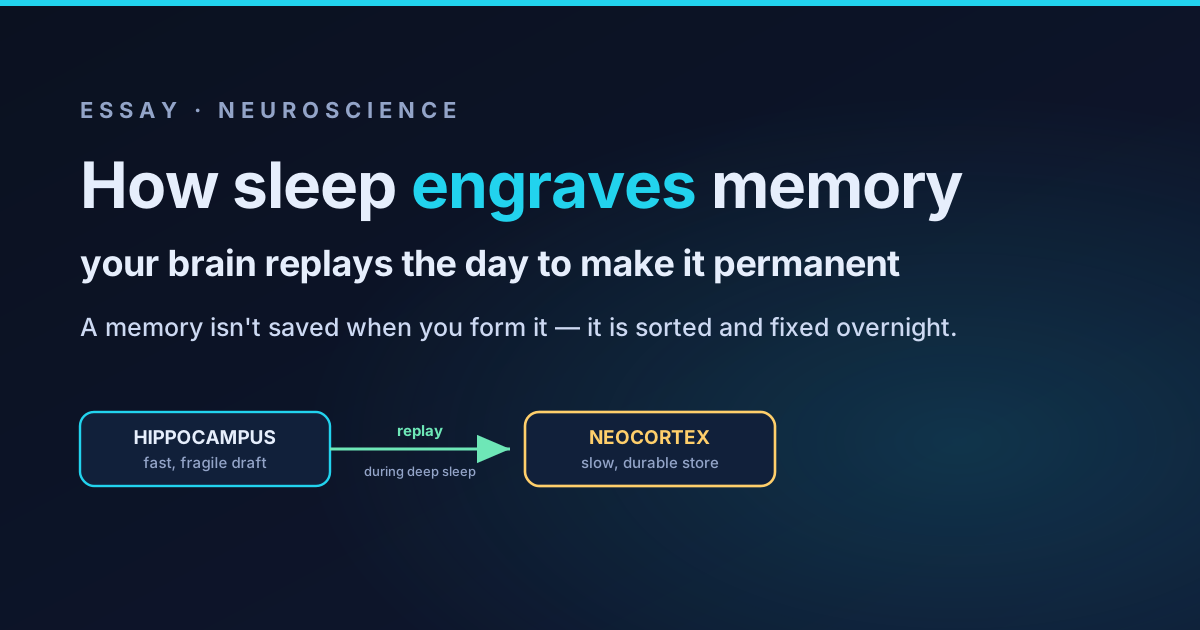
How sleep engraves memory
A memory is not saved at the moment you form it. It is replayed, sorted and fixed while you sleep, by three brain rhythms that must interlock at exactly the right instant. How the night does the editing, and why forgetting is a feature.