#machine-learning
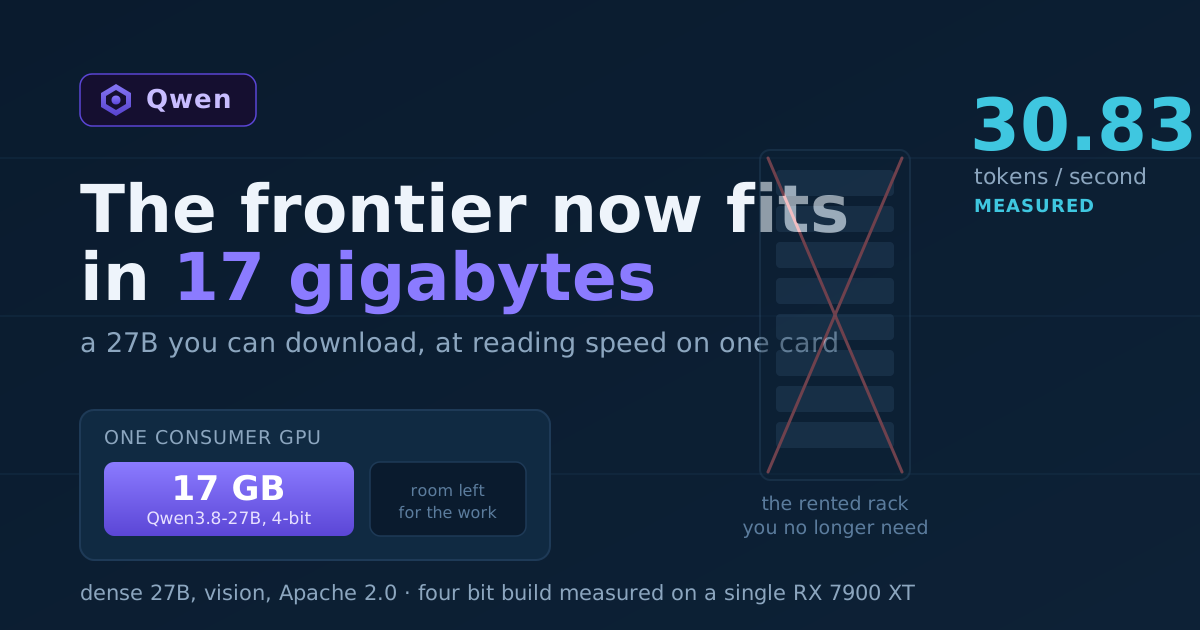
A frontier AI model that fits on one gaming card
This week Alibaba shipped a 27B open model that argues with the closed flagship on several benchmarks, and it runs at reading speed on a single gaming card. The size is the story, and it changes who gets to own a frontier model.
Why smell is the sense we still can't digitise
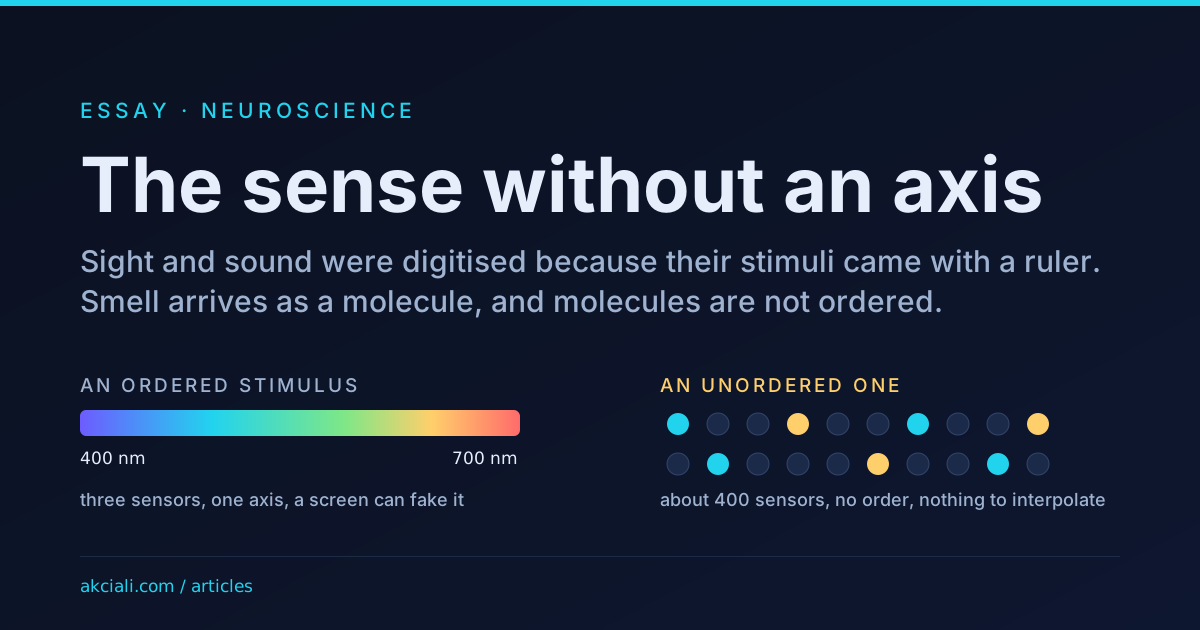
Sight and hearing were digitised because their stimuli come with a physical ruler. Smell has none, which is why the map of odour had to be learned from perception rather than derived from chemistry, and why prediction has advanced while capture and reproduction have not.
The GPU is only half the answer
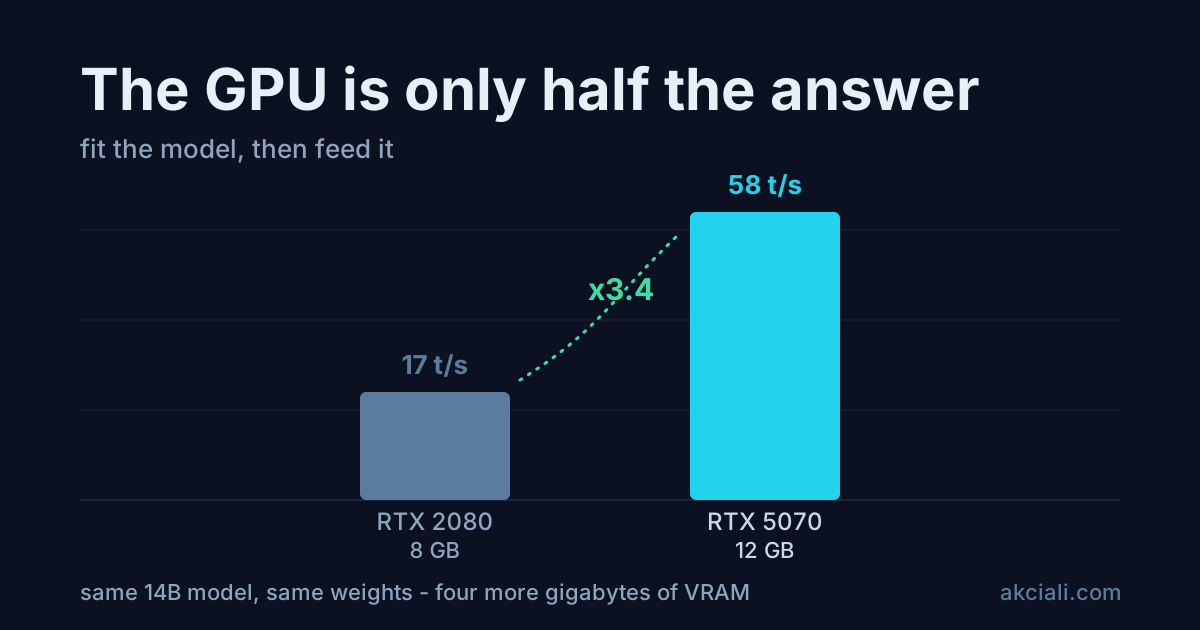
I benchmarked 40 language models on two graphics cards, an old 8 GB one and a newer 12 GB one. Two of the results went the opposite way to the spec sheets.
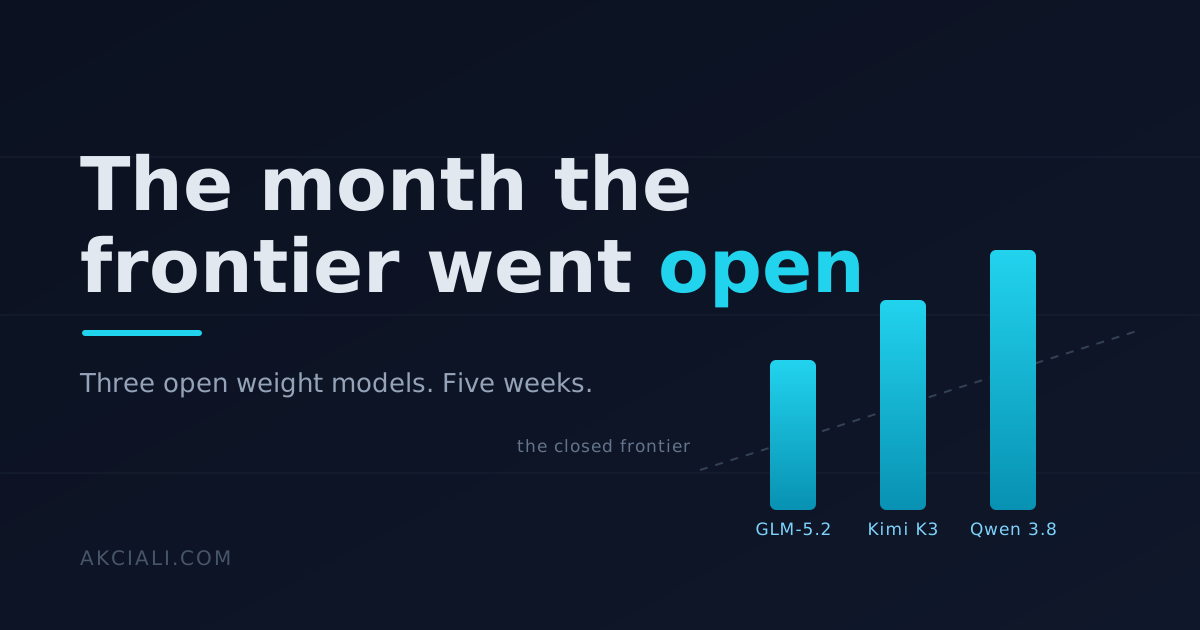
The month the frontier went open
Three open weight models in five weeks pulled level with the closed frontier. Why the return of real competition is good news for everyone who builds on AI.
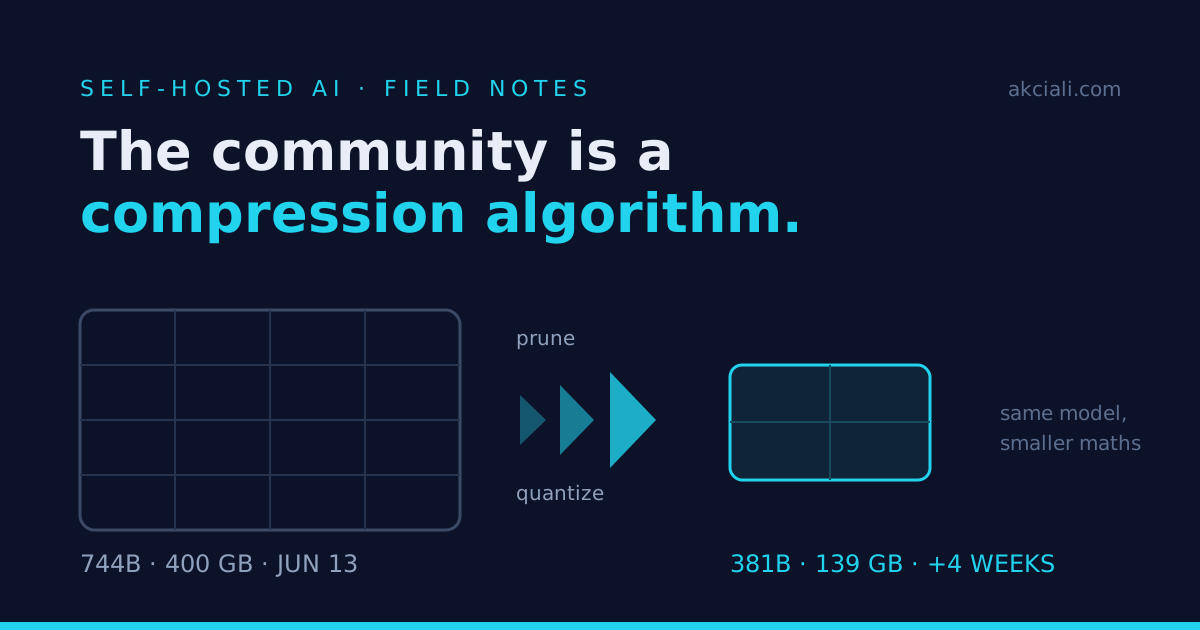
The community is a compression algorithm
GLM-5.2 shipped as a 753 billion parameter model that weighed 1.51 TB. No desk could hold it. Four weeks later the community had shrunk it elevenfold, onto hardware a person can actually buy. Nobody touched the hardware.
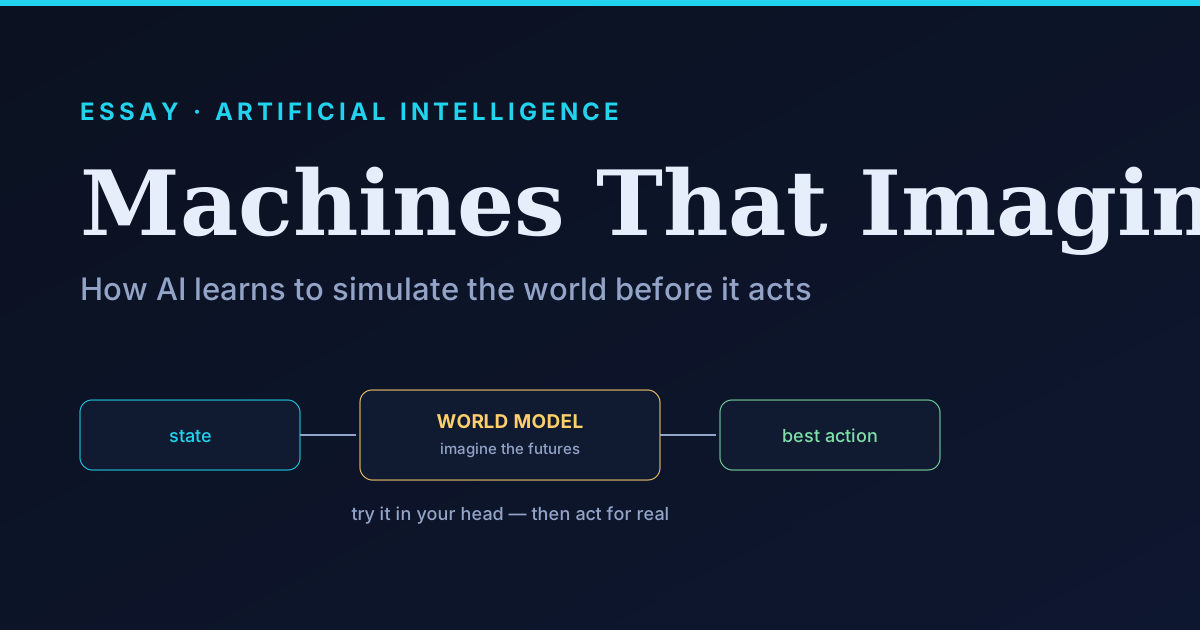
Machines That Imagine: how AI learns to simulate the world before it acts
An agent that only reacts to what it sees is brittle. To act well, it needs an internal simulator (a world model) that predicts what happens next. That idea, and the 2025–26 race between two ways of building it, may be the real road past today's language models.
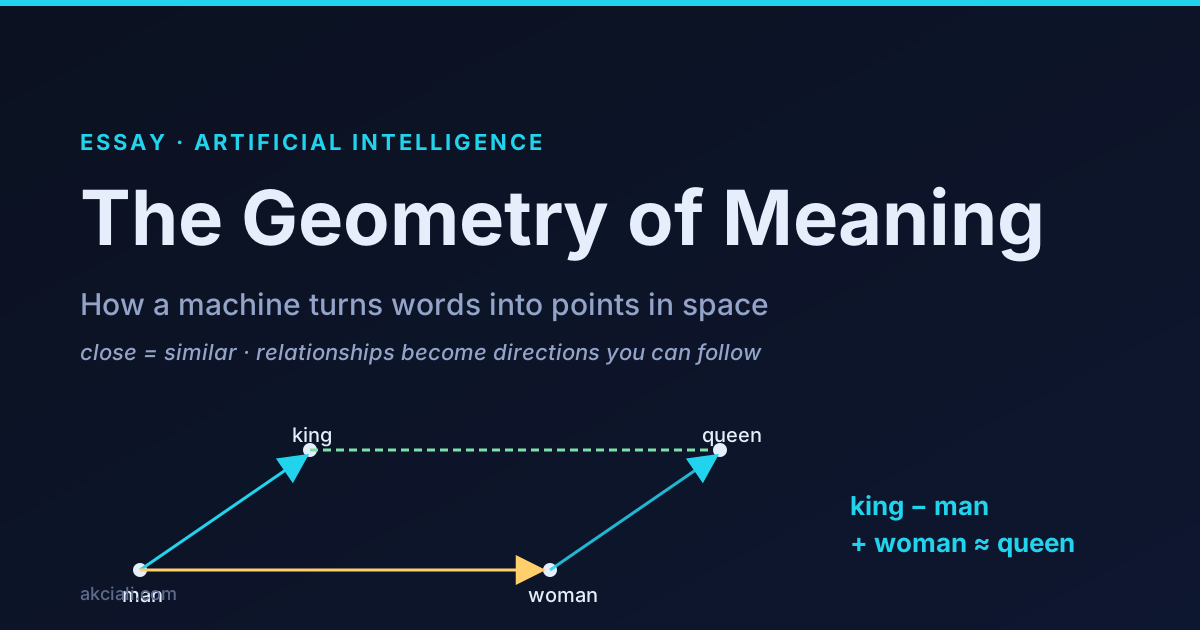
The Geometry of Meaning: how a machine files words in space
Machines don't store meaning as definitions: they store it as geometry. Every word, sentence or image becomes a point in a vast space, where 'close' means 'similar' and whole relationships turn into directions you can follow. The strange 2025–26 twist: that geometry looks universal, which is both a superpower and a security problem.
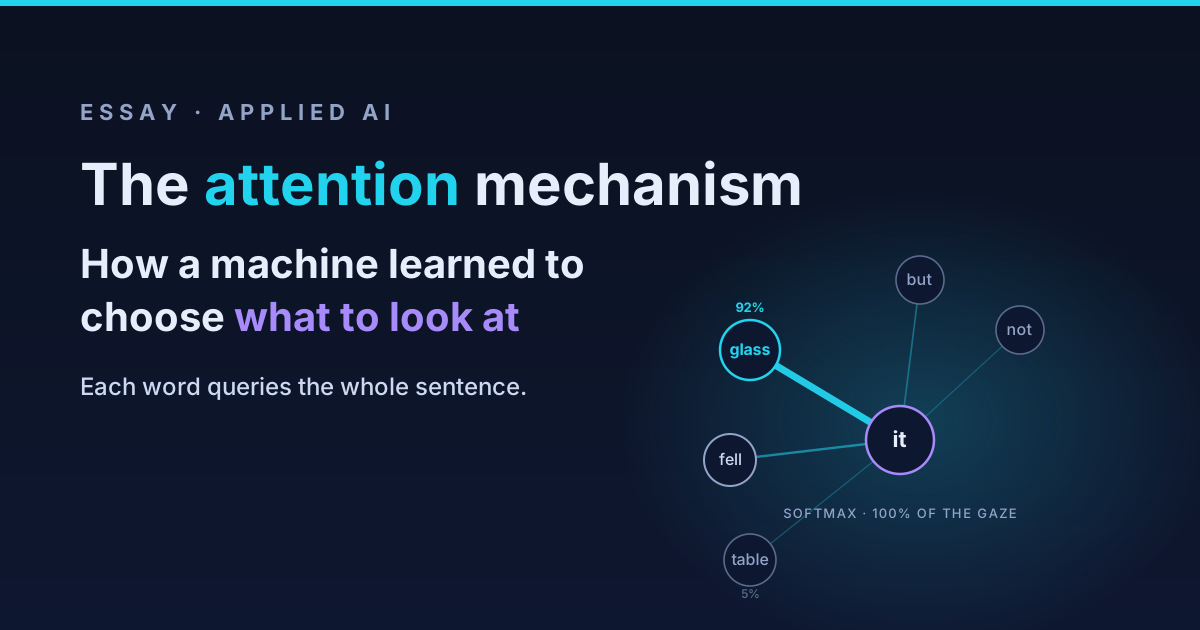
The attention mechanism: how a machine learned to choose what to look at
One idea flipped the whole field of AI in 2017 and now powers every large language model: letting each word look directly at every other and decide what matters. Here is how attention works, and why it convergently rediscovered something the brain already knew.