#home-lab
How a kids' chatbot grew into a home AI architecture
It started as a weekend proof of concept: a chatbot a child could try. Two months later it is a full on-premises architecture, where safety is written as code around the model instead of asked of it. Here is how the pieces fit, and why none of it phones home.
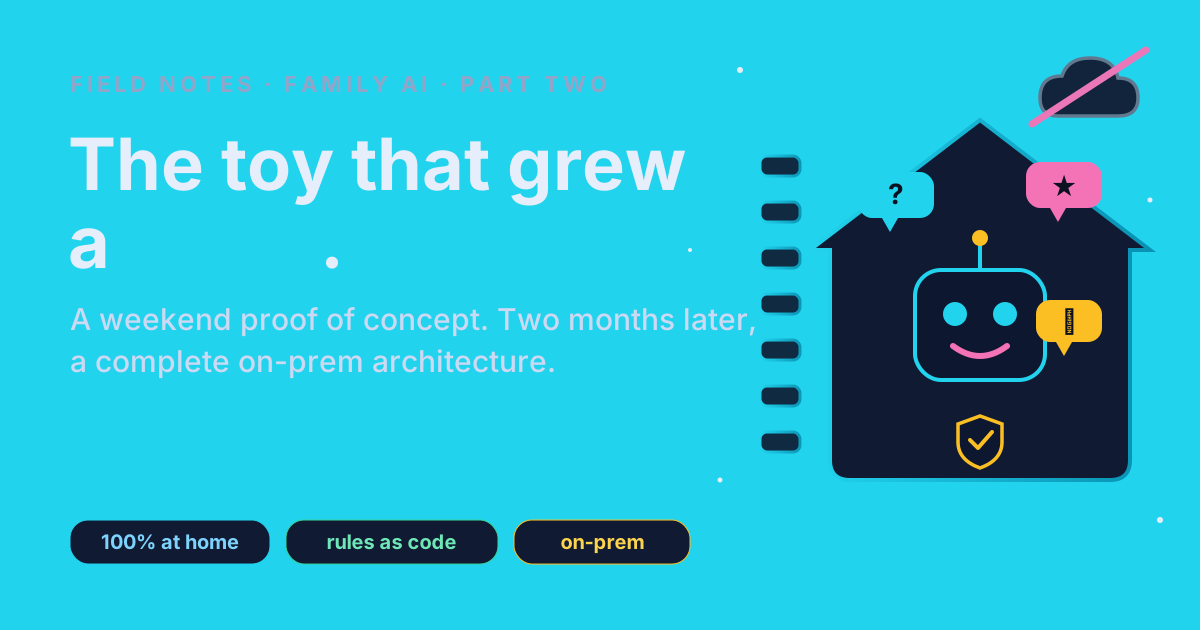
A frontier AI model that fits on one gaming card
This week Alibaba shipped a 27B open model that argues with the closed flagship on several benchmarks, and it runs at reading speed on a single gaming card. The size is the story, and it changes who gets to own a frontier model.
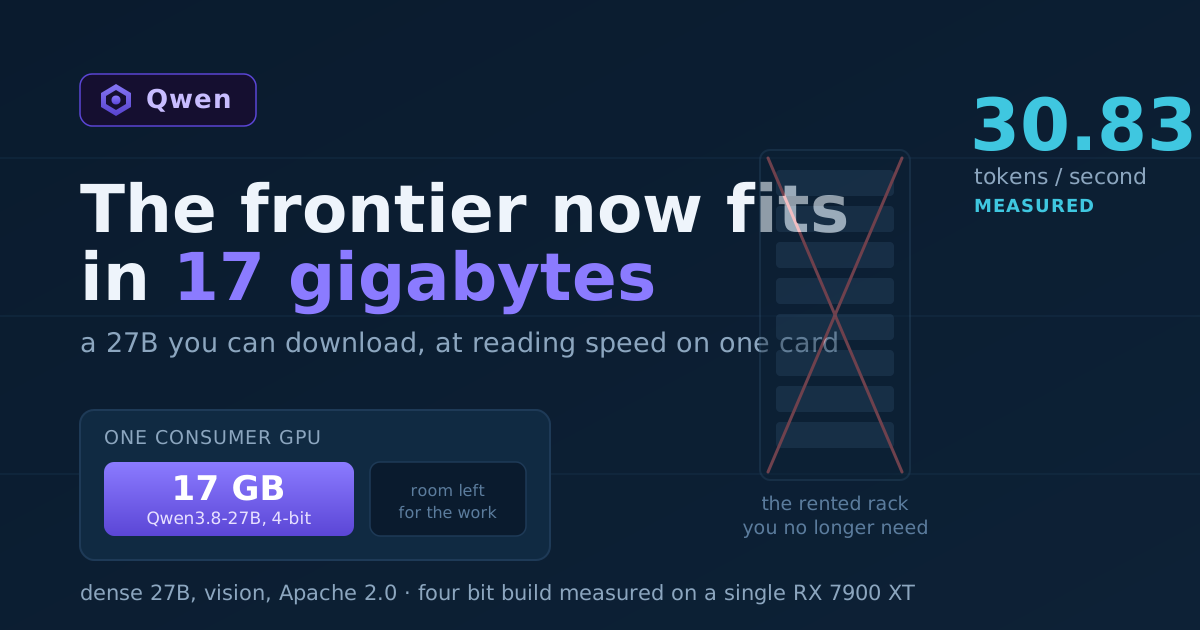
Kinesis: the hand-steered memory map moves out
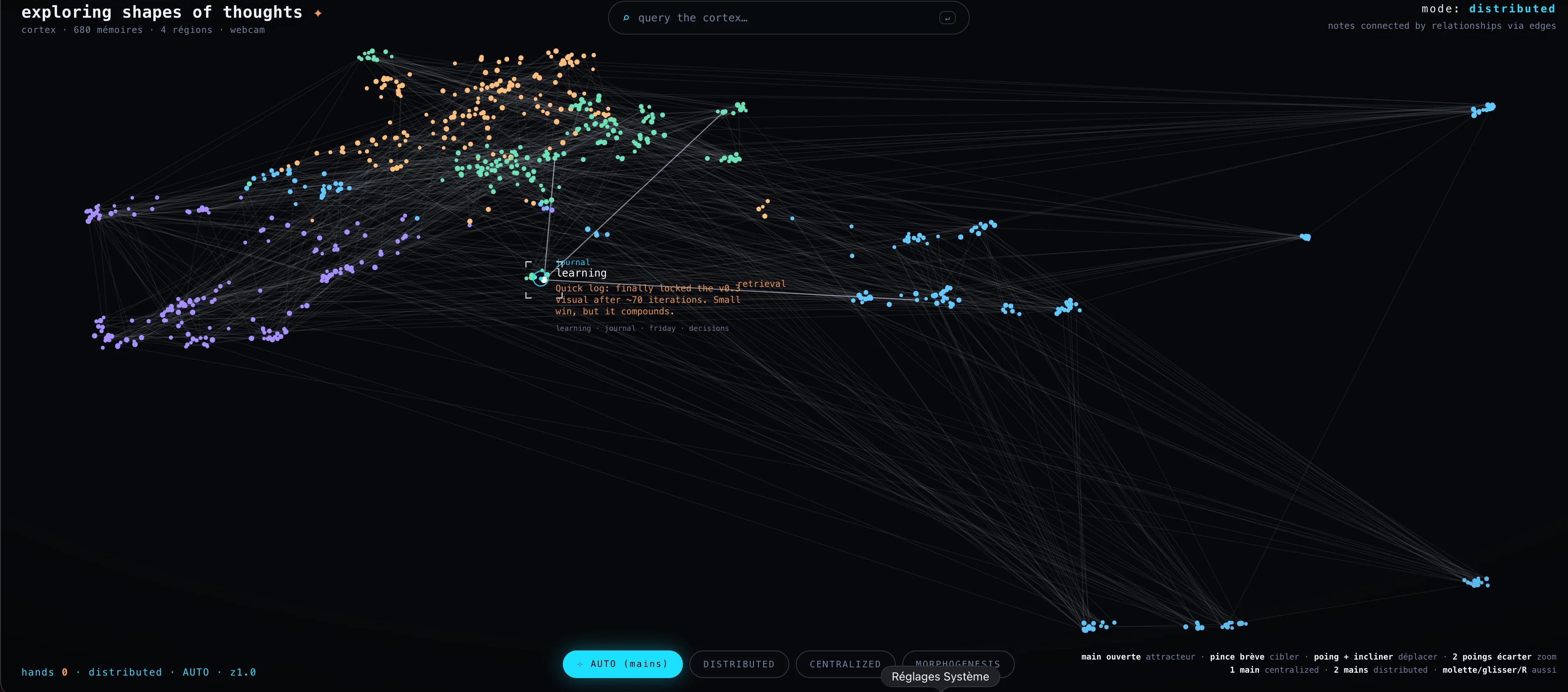
The webcam-and-hands experiment from June grew up and got its own address. Kinesis is now a standalone demo: four hand postures, a memory map that answers, a camera that never leaves your device, and a surprising answer to the question of what a gesture actually weighs. With interactive diagrams.
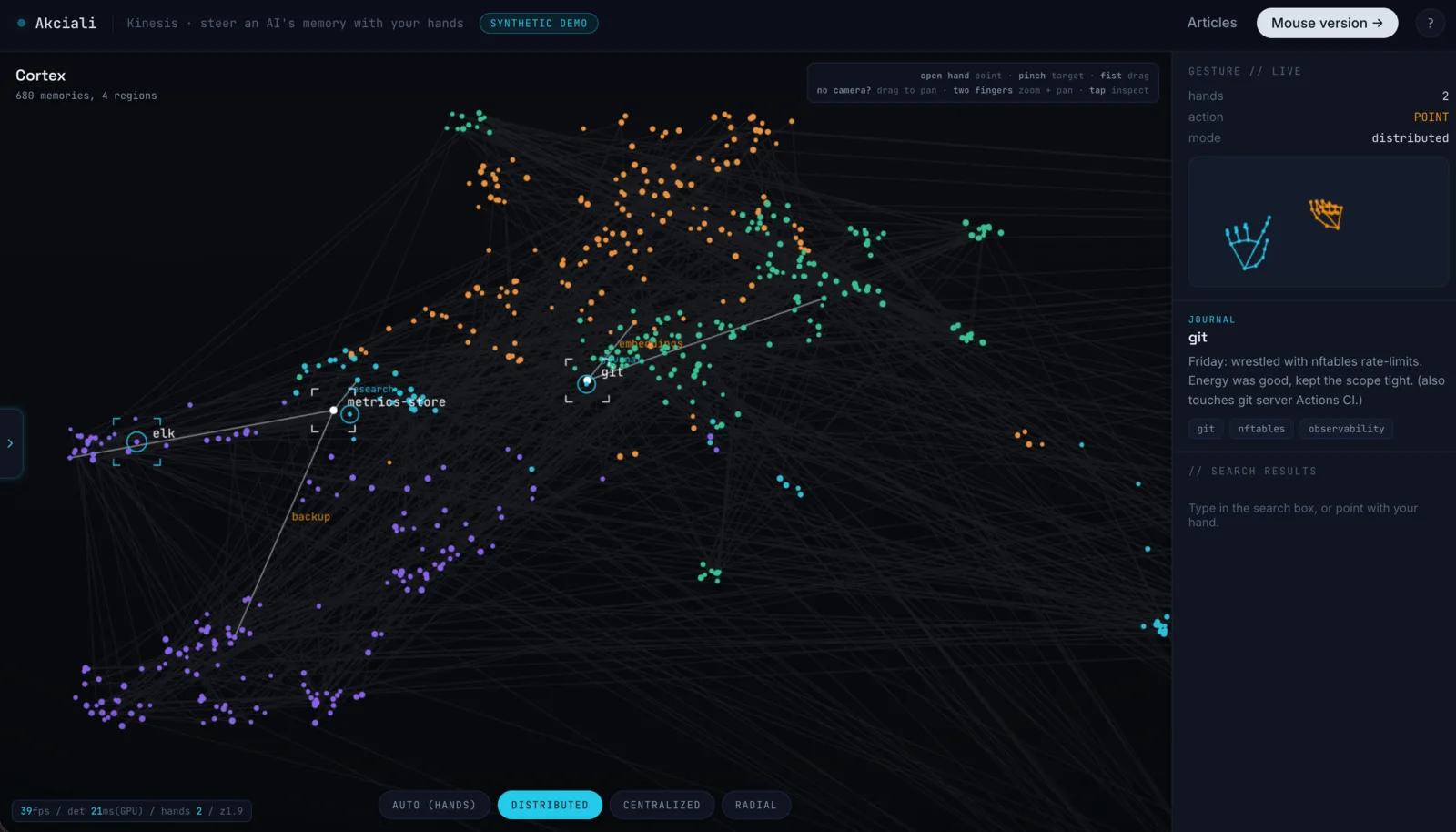
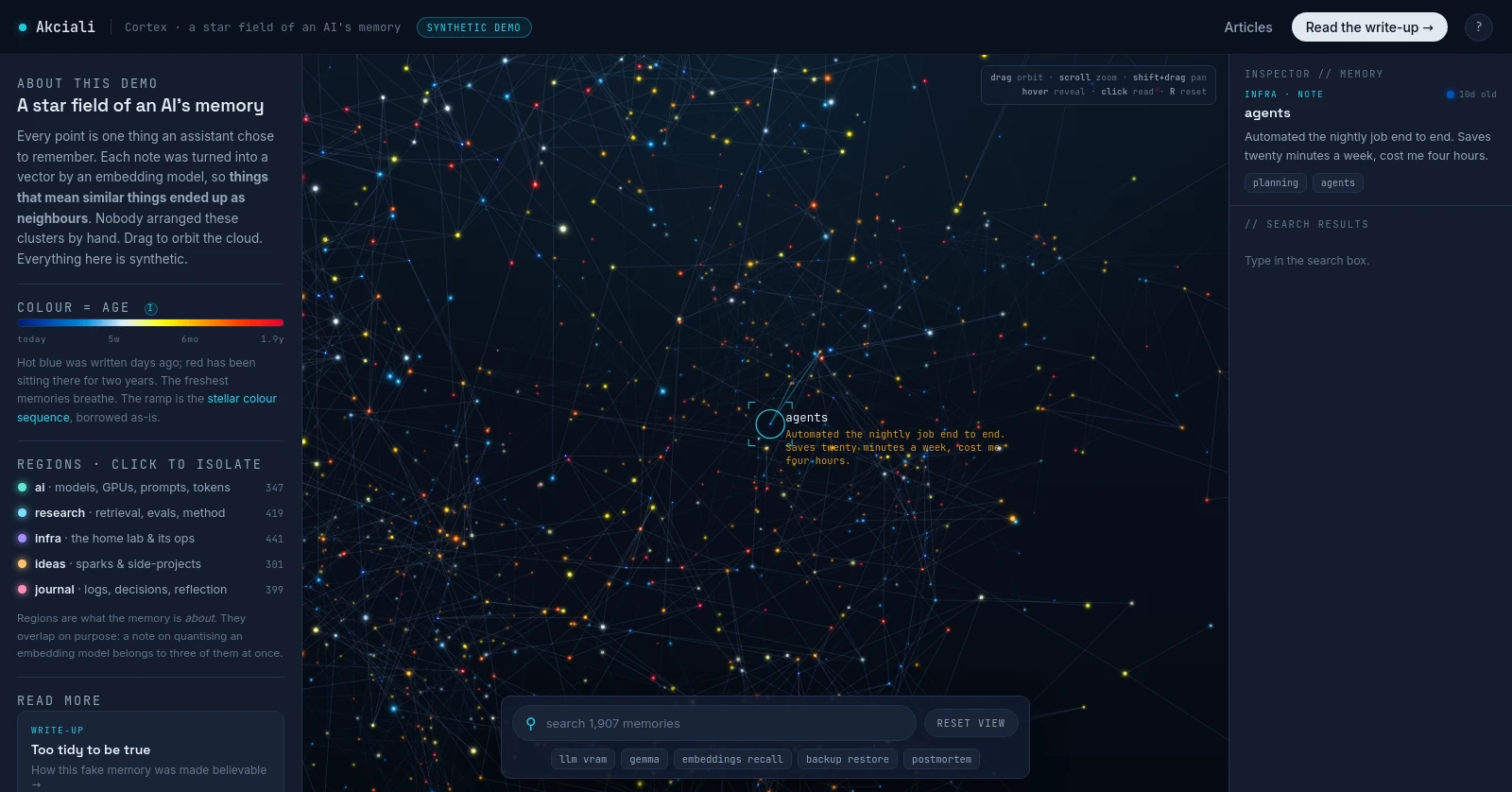
What an AI's memory actually looks like
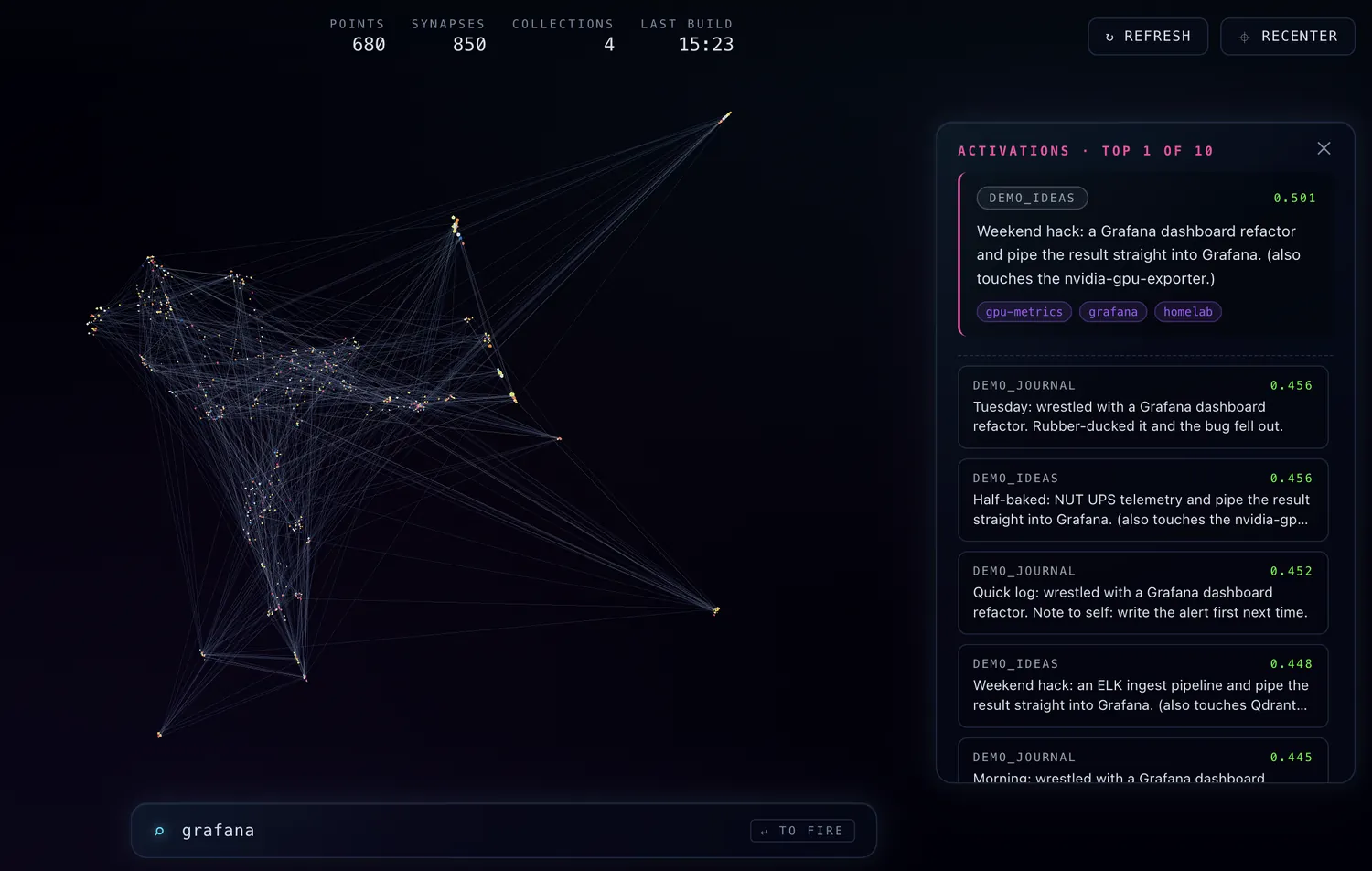
The knowledge-graph screenshots that go round on social media are suspiciously beautiful: symmetric, evenly spaced, colour-coded by folder. A real vector memory looks nothing like that. Here is what the shape actually is, and what it took to draw it honestly: a metric for messiness, a palette borrowed from stellar astronomy, and a renderer whose best trick is drawing nothing at all.
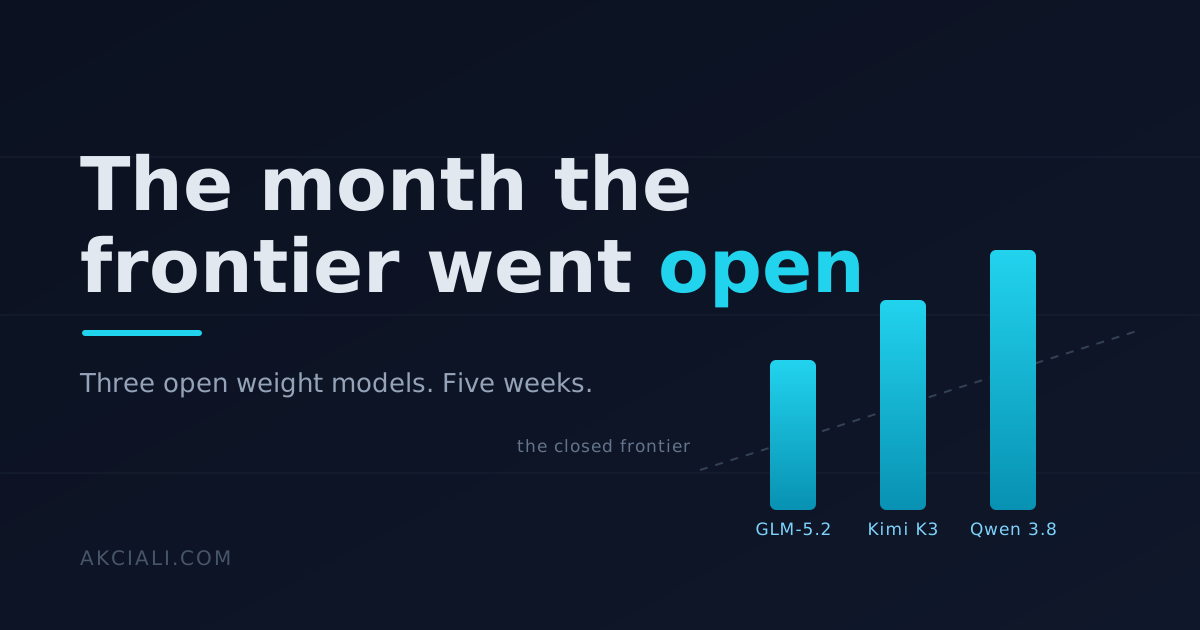
The month the frontier went open
Three open weight models in five weeks pulled level with the closed frontier. Why the return of real competition is good news for everyone who builds on AI.
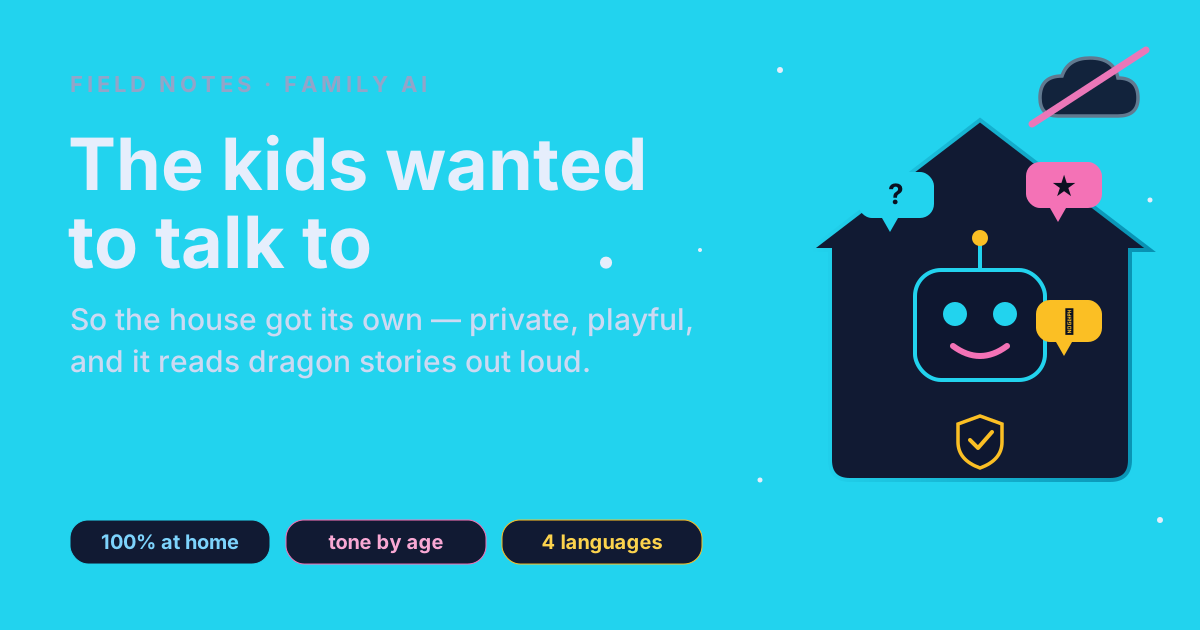
Giving the kids a chatbot that never leaves the house
My kids kept watching me talk to a computer and asked for a turn. Instead of handing them a grown-up chatbot, I built them their own: it lives on the family server, picks its tone by age, reads answers aloud in three languages, remembers their dragons, and never hands a conversation to a cloud AI service. A tour, minus the jargon.
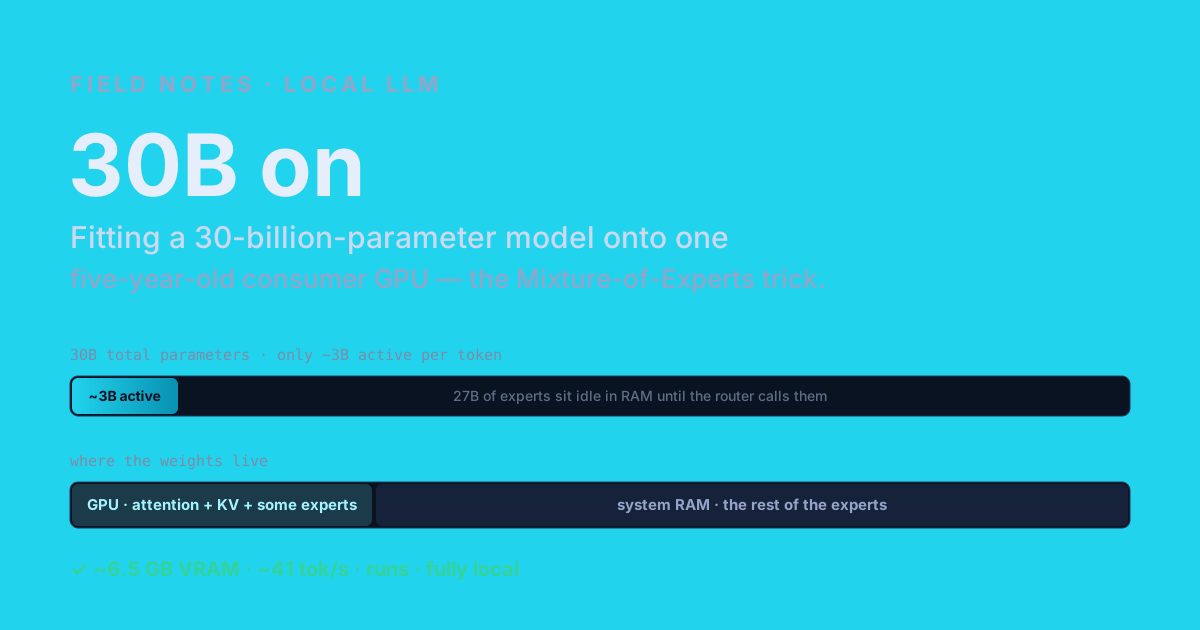
A 30B model on an 8 GB GPU: a small win with Mixture-of-Experts
The sequel to moving my home AI stack onto llama.cpp. I wanted better reasoning without buying hardware, so I tried to run a 30-billion-parameter model on a single 8 GB card. With a Mixture-of-Experts model and CPU offload, it fits, and it's quick. The numbers, and the gotchas. With an interactive config explorer.
Reaching into the cortex: steering a memory map with your bare hands
I gave the 3D memory map a webcam and a pair of hands. No mouse, no controller: you point, you grab, you pinch, and the galaxy of thoughts answers. Here's the build, and the small detour into decades-old HCI research that made it usable.
Inside the Mesh: a live map of a self-hosted lab
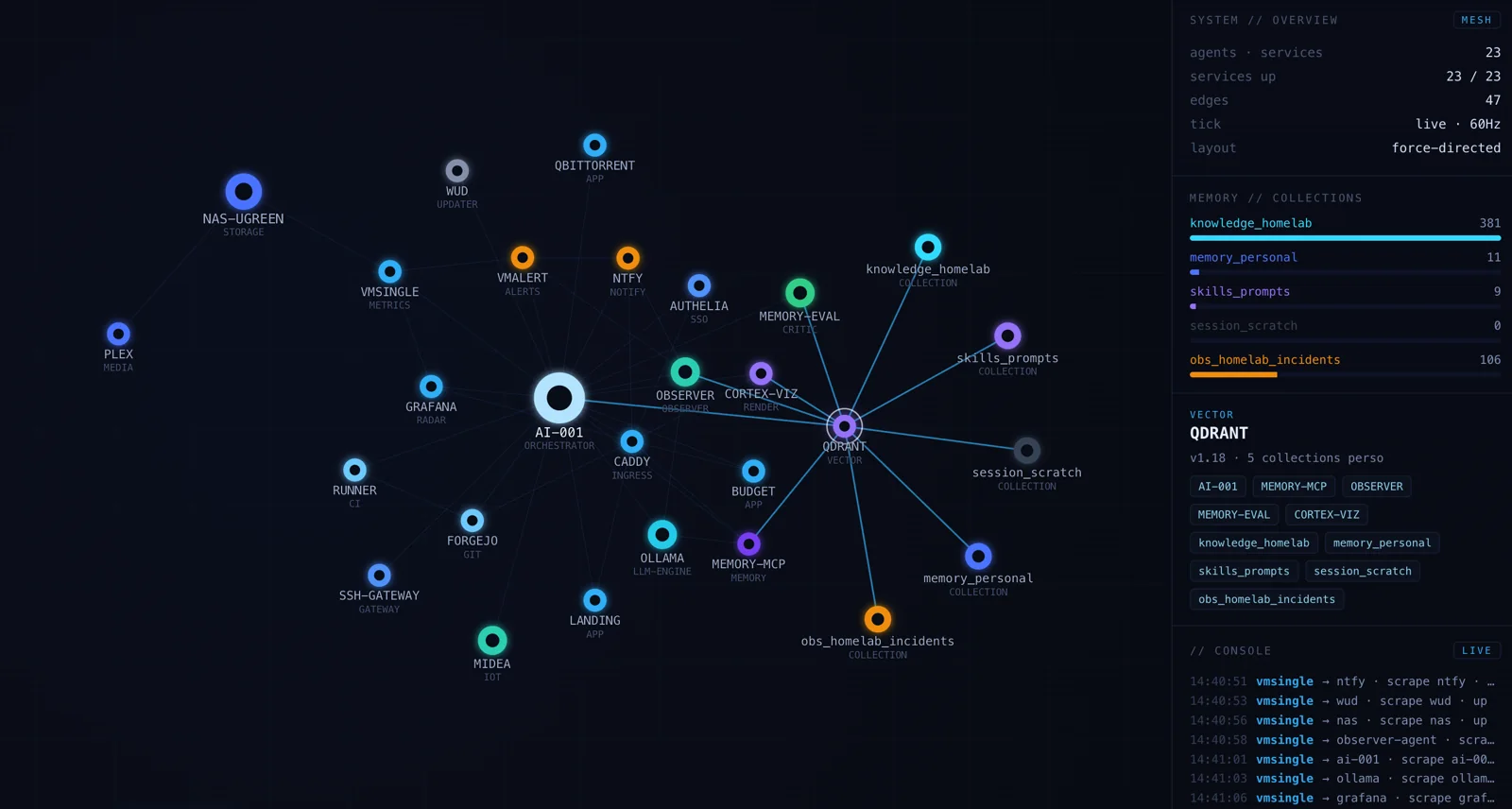
A home lab as a living health map, and the public demo it became: a fictional Kubernetes platform where an agent proposes the fix and you approve it. What's real, what's replayed, and how it's built with zero dependencies.
From Ollama to llama.cpp on a single 8 GB GPU
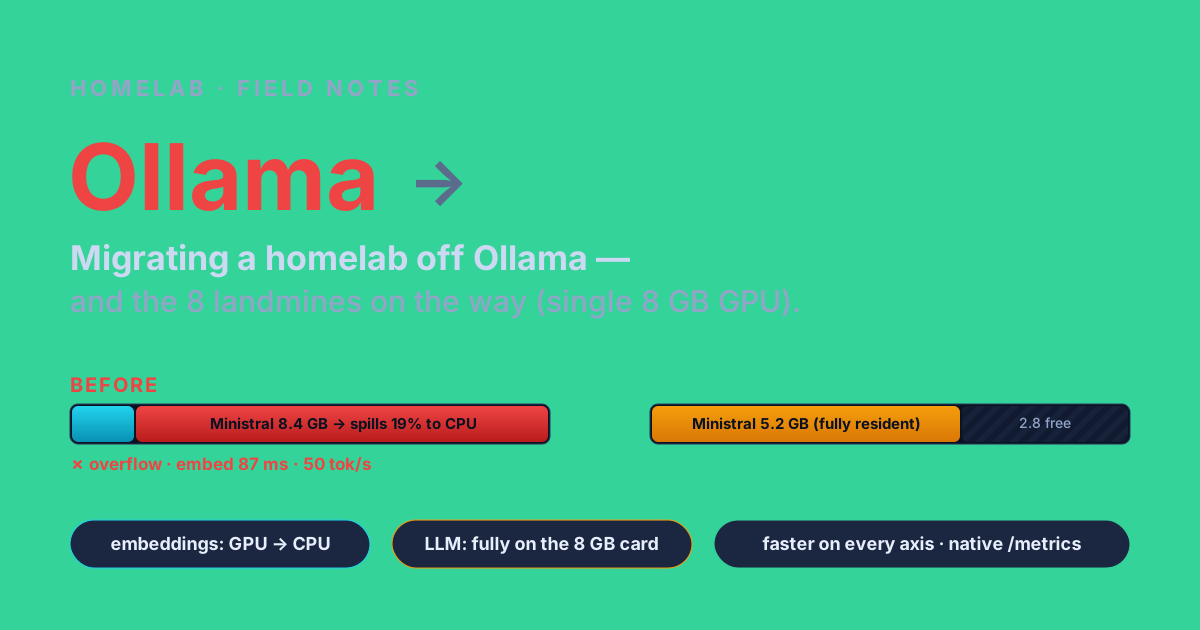
A homelab migration off Ollama onto raw llama.cpp. Why I did it, what it bought, and the eight landmines in the path: model files that don't transfer, a CUDA image that won't match your driver, an OOM-ing build, glibc, and a dependency graph that fights back.
Inside the Cortex: turning an AI's memory into a 3D star map
How a pile of numbers an AI uses to 'remember' becomes a galaxy you can fly through, starting from scratch and going all the way down to embeddings, UMAP and the rendering loop.
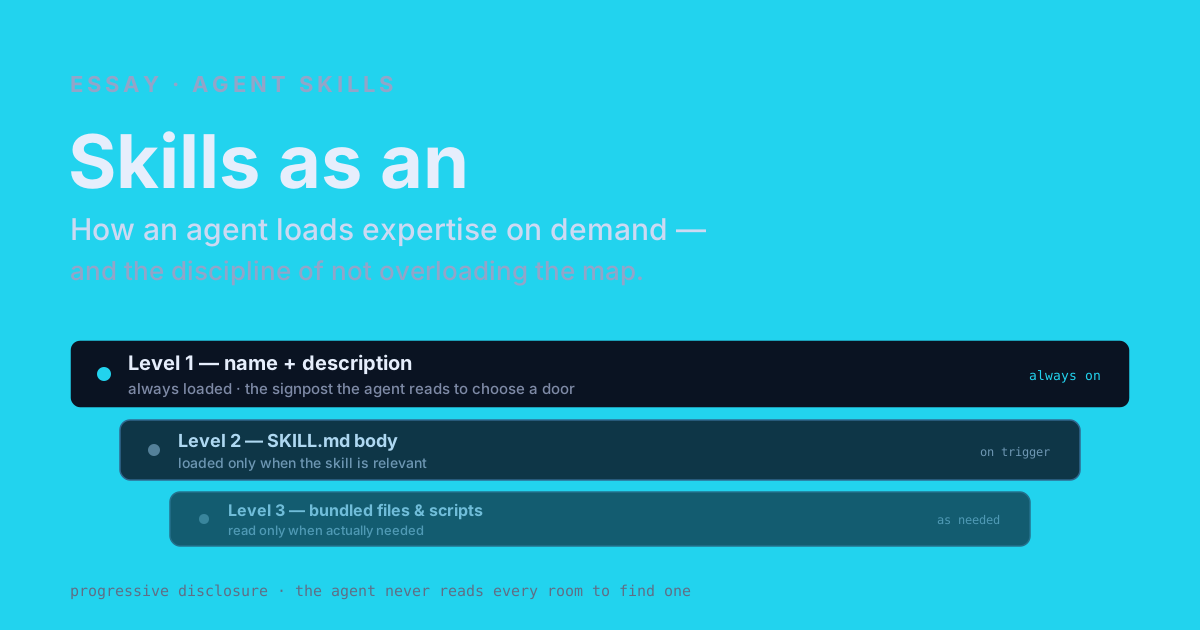
Skills as an orientation map: how an agent loads expertise on demand
Agent Skills let a general-purpose model become a specialist without drowning in instructions. A look at how they work, the progressive-disclosure 'map' that keeps them cheap, where they help at home and at work, and the limits (characters, context, memory) worth knowing. Fully sourced.