#cybernetics
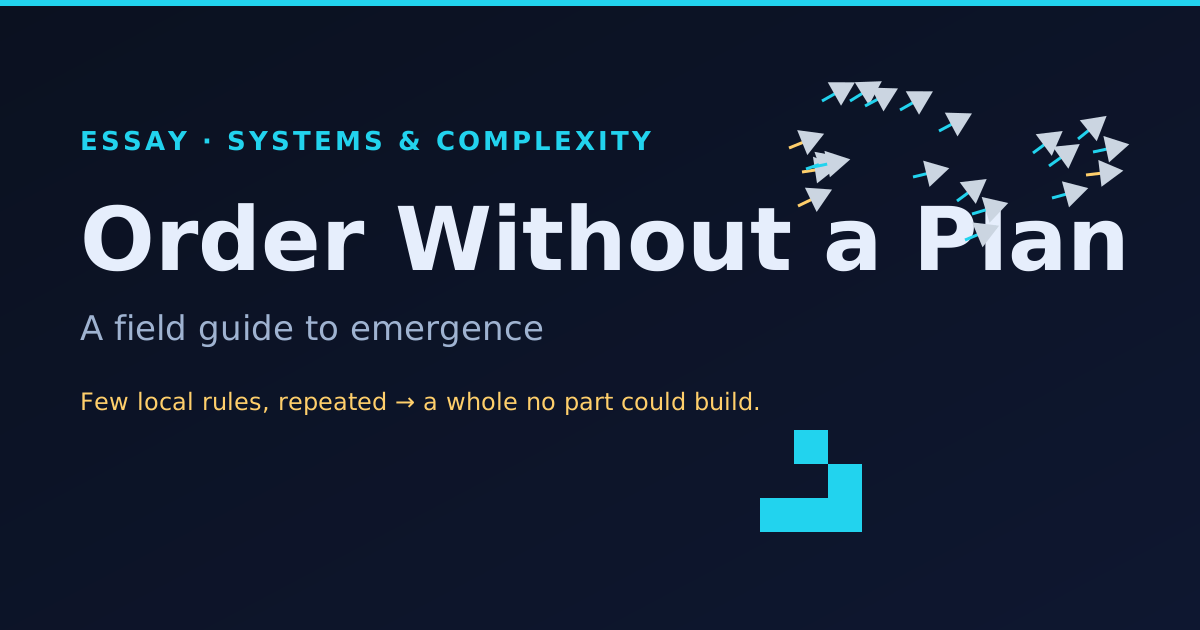
Order Without a Plan: A Field Guide to Emergence
How simple local rules, repeated without a conductor, produce wholes their parts can't build alone: Conway's Game of Life, Wolfram's Rule 30, and starling murmurations.
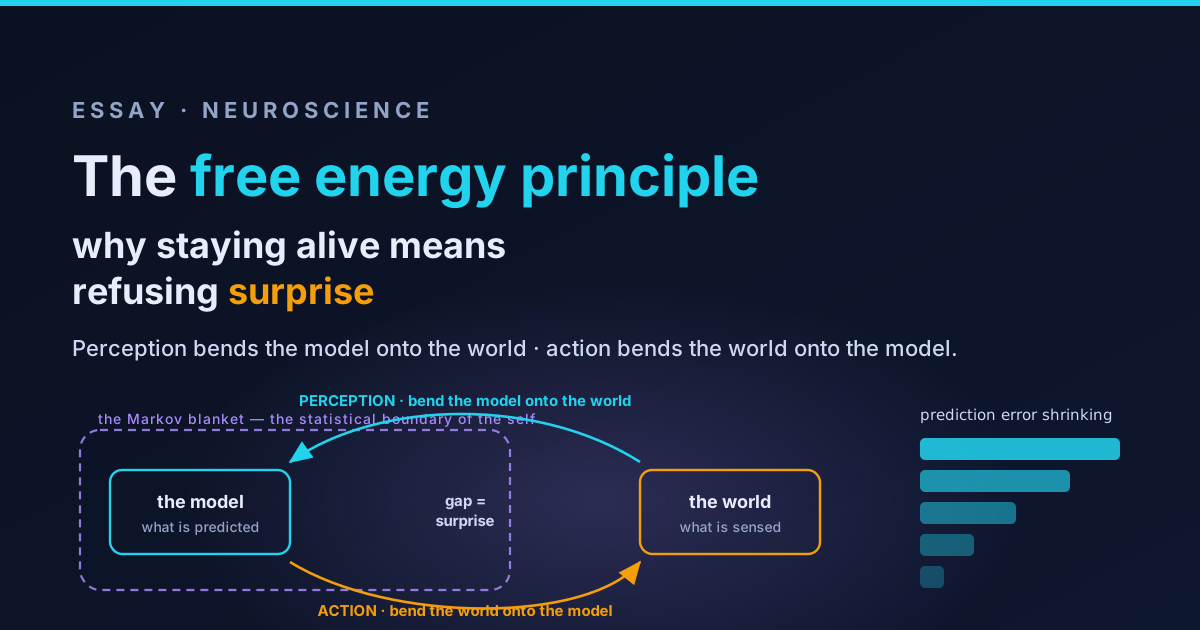
The free energy principle: why staying alive means refusing surprise
Karl Friston's free energy principle tries to derive perception, action, attention, and even the boundary of the self from a single imperative: keep surprise low. A walk up its steps, by images rather than equations.
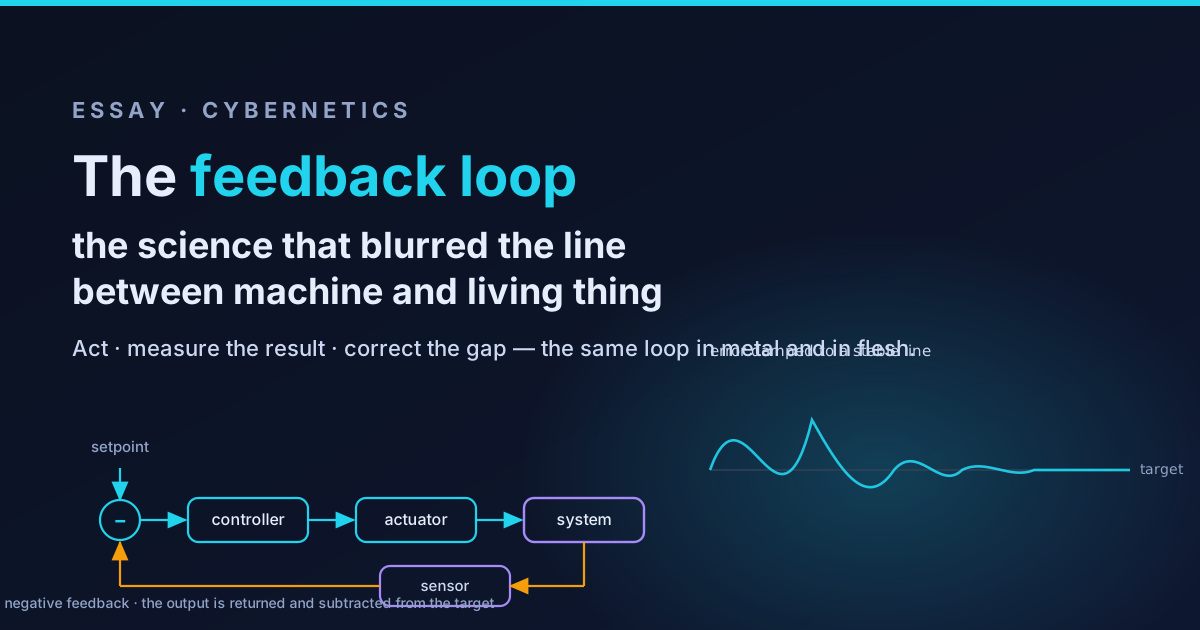
The feedback loop: the science that blurred the line between machine and living thing
How a single idea (act, measure, correct) let one mathematician describe a thermostat, a missile, a reaching hand, and a living body in the same breath, and quietly dissolved the boundary between the mechanical and the alive.
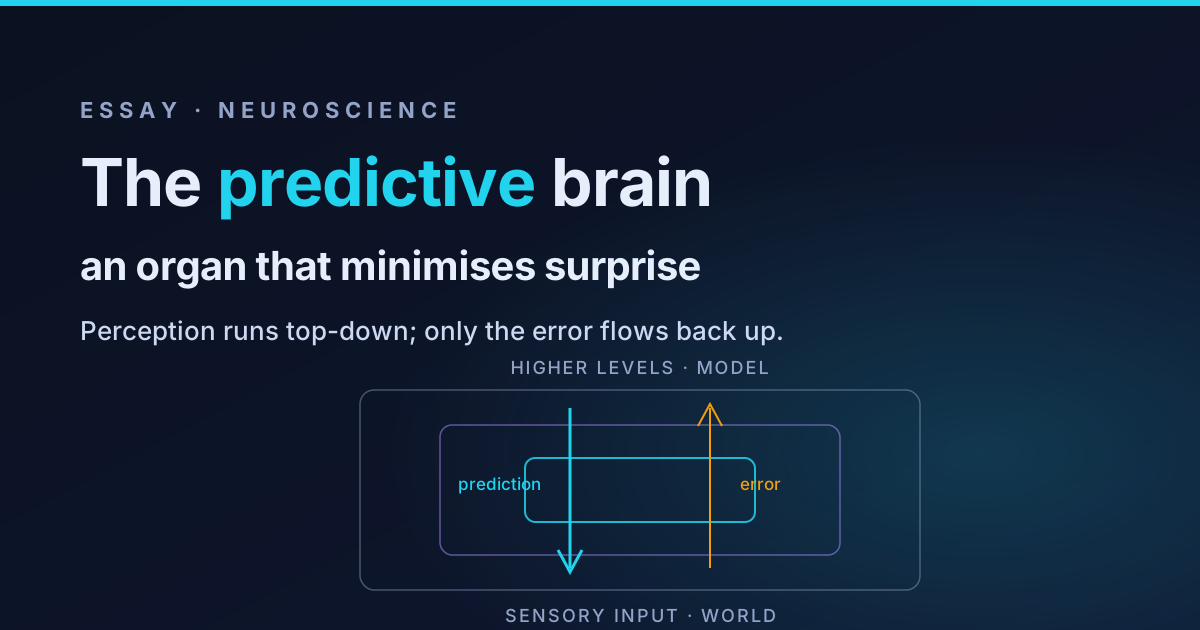
The predictive brain: an organ that spends its life minimising surprise
Predictive processing flips perception on its head: the brain does not passively receive the world, it constantly predicts it and transmits only the error. A look at what that reframing explains: about attention, dreams, and the kinship between brains and machines.