#consciousness
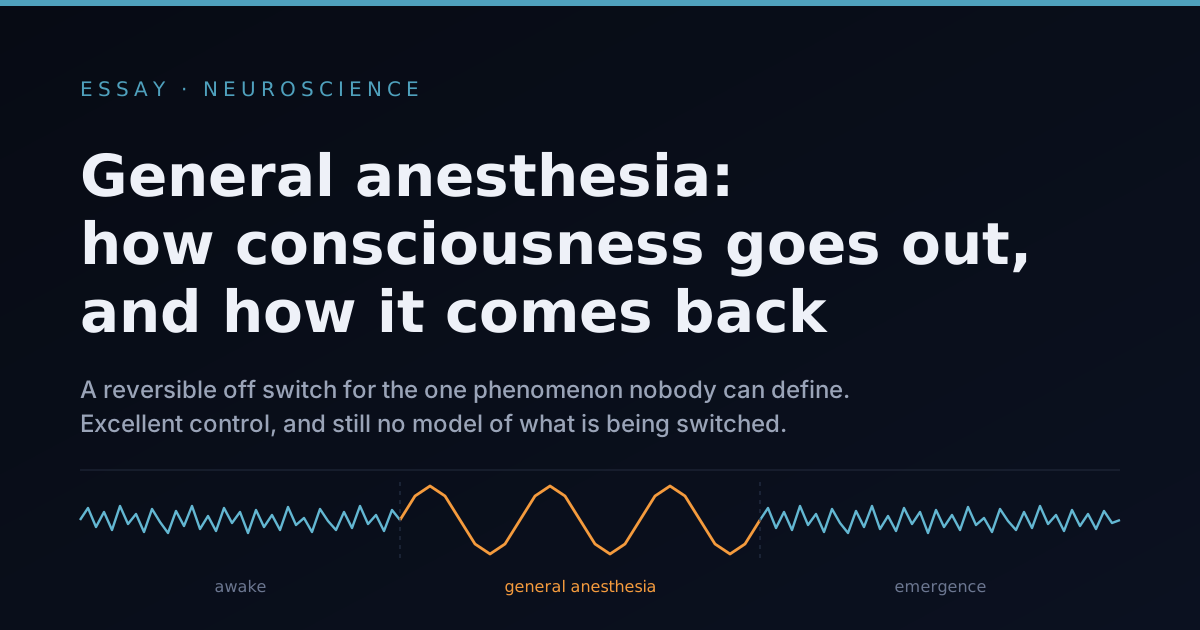
General anesthesia: how consciousness goes out, and how it comes back
Anesthesia is the only routine intervention that removes consciousness on schedule and reliably gives it back, which makes it the best experimental handle the science of consciousness has. It is also a standing demonstration of how far control can run ahead of understanding.
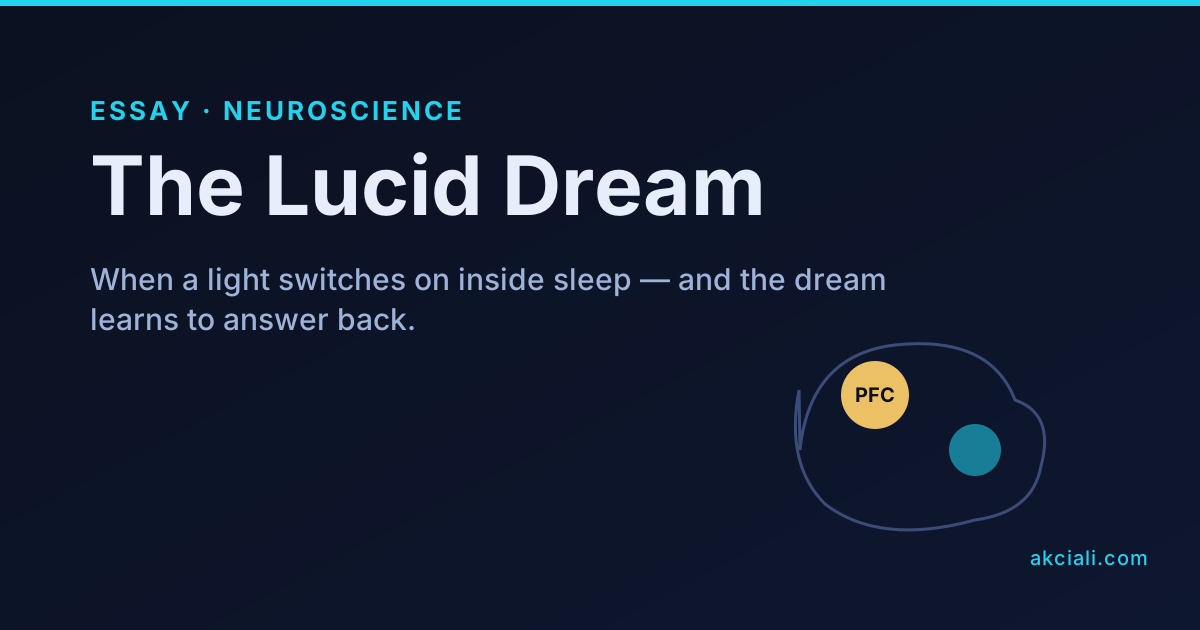
The Lucid Dream: how a light switches on inside sleep
Realising you are dreaming while you dream is not mysticism: it is a distinct, measurable brain state. A tour of the hybrid brain, the eye-signal that proved it, the first real-time conversations with sleepers, and how lucidity can be trained.
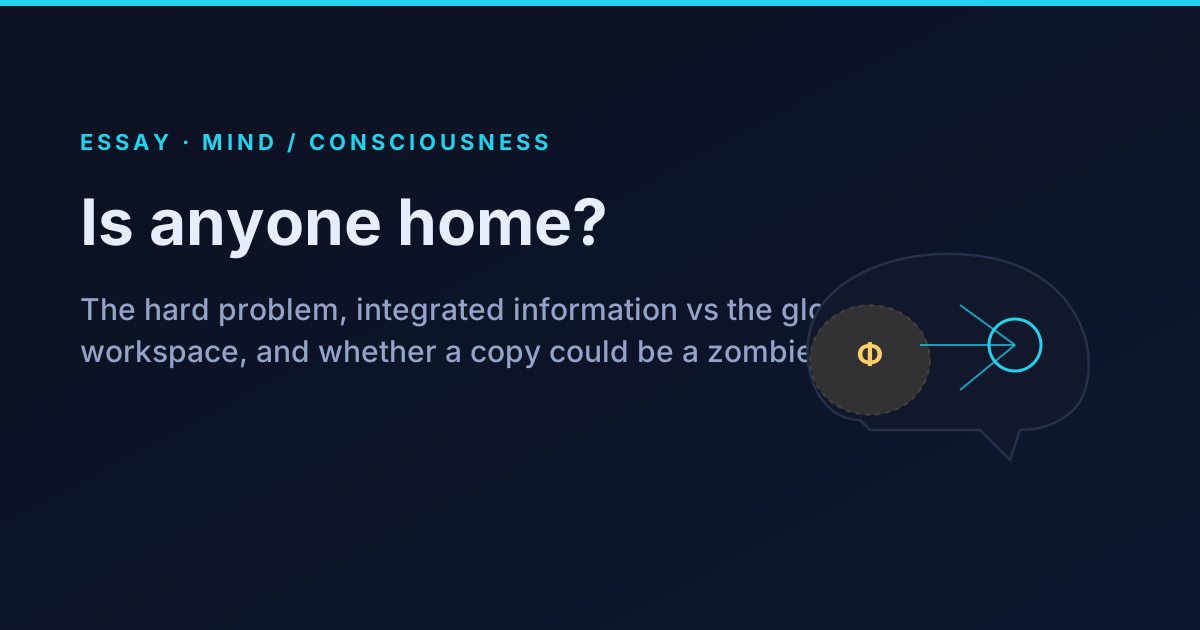
Is anyone home? The science of consciousness
We are getting better at explaining what the brain does, yet still cannot say why any of it is accompanied by an inner experience. That gap (the hard problem) pits two rival theories of consciousness against each other, with very different verdicts on whether a machine could ever be awake inside.
Becoming lucid in a dream: the science of oneironautics
There is a state in which one knows one is dreaming, while dreaming, and can act on the dream without waking. How laboratories proved it, what the lucid brain is doing, and the techniques that reliably raise the odds.
What makes you 'you'? Personal identity and the problem of continuity
Almost nothing physical survives in a person from one decade to the next, yet we speak without hesitation of a single self that endures. A look at the philosophy of personal identity, from the Ship of Theseus to Parfit's claim that identity may not be what matters.
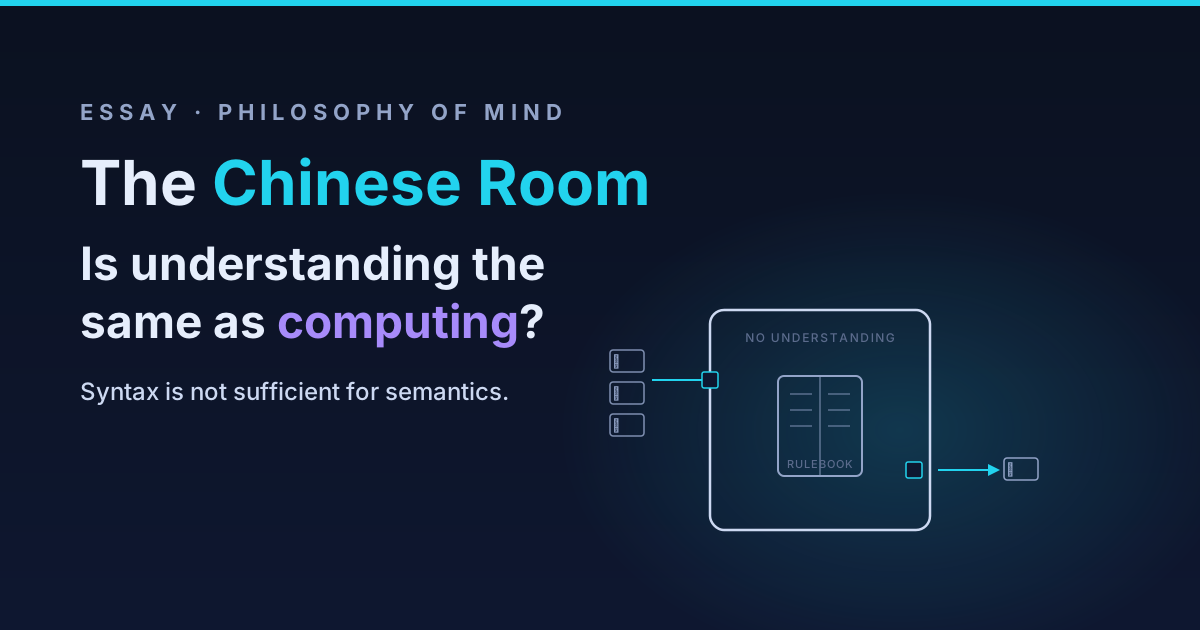
The Chinese Room: is understanding the same as computing?
Searle's Chinese Room argued that running the right program is never enough for understanding. Forty-five years on, interpretability research is turning that armchair intuition into a measurable question.