#cognition
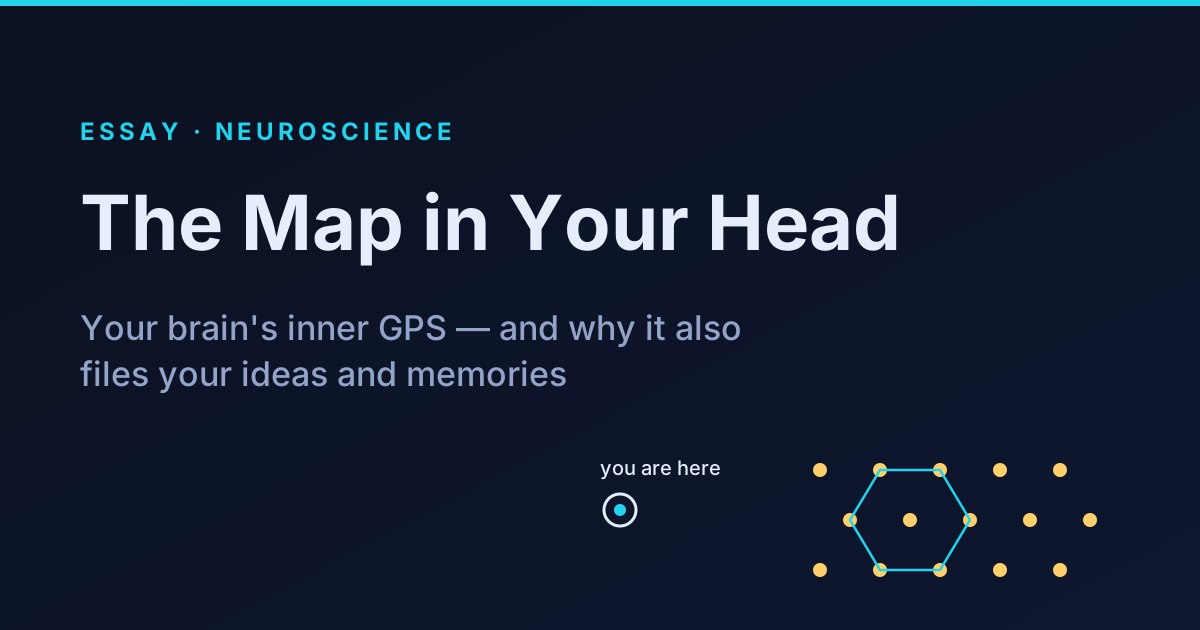
The Map in Your Head: your brain's inner GPS, and why it files your ideas
Two kinds of neuron let you know where you are: place cells that say 'you are here' and grid cells that lay down a honeycomb of coordinates. The surprise is that the brain reuses this same map to organise concepts and memories, which is exactly why the ancient memory-palace trick works.
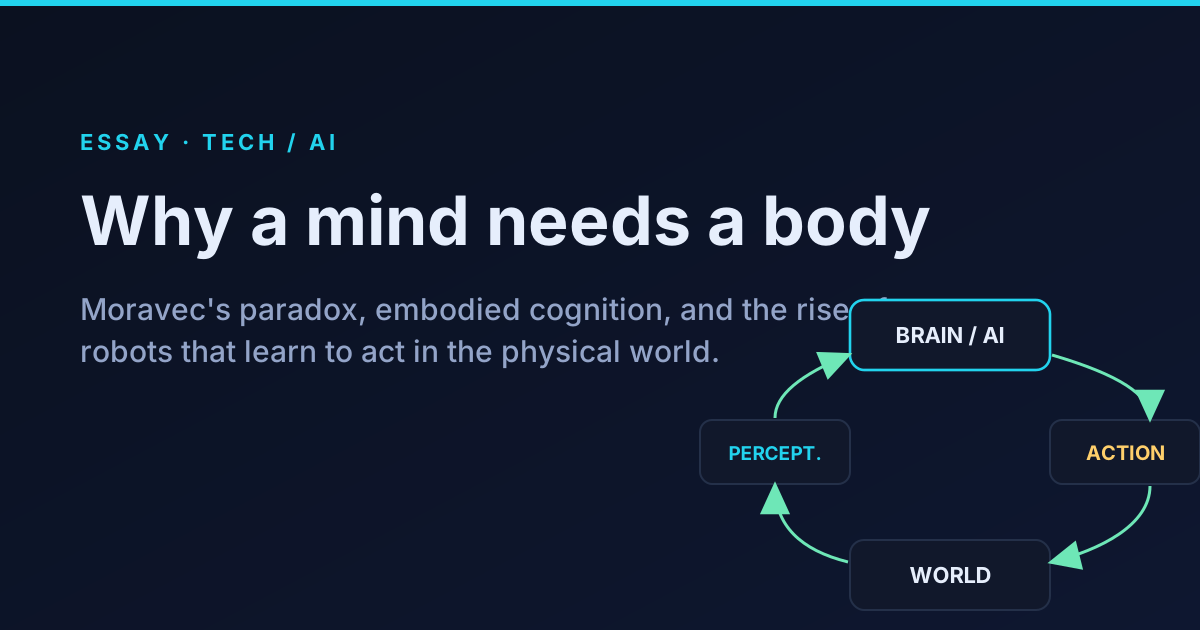
Why a mind needs a body
A machine beat the world chess champion in 1997, yet no robot folds a towel as well as a six-year-old. That inversion has a name, Moravec's paradox, and it explains why AI is finally climbing down into a physical body.
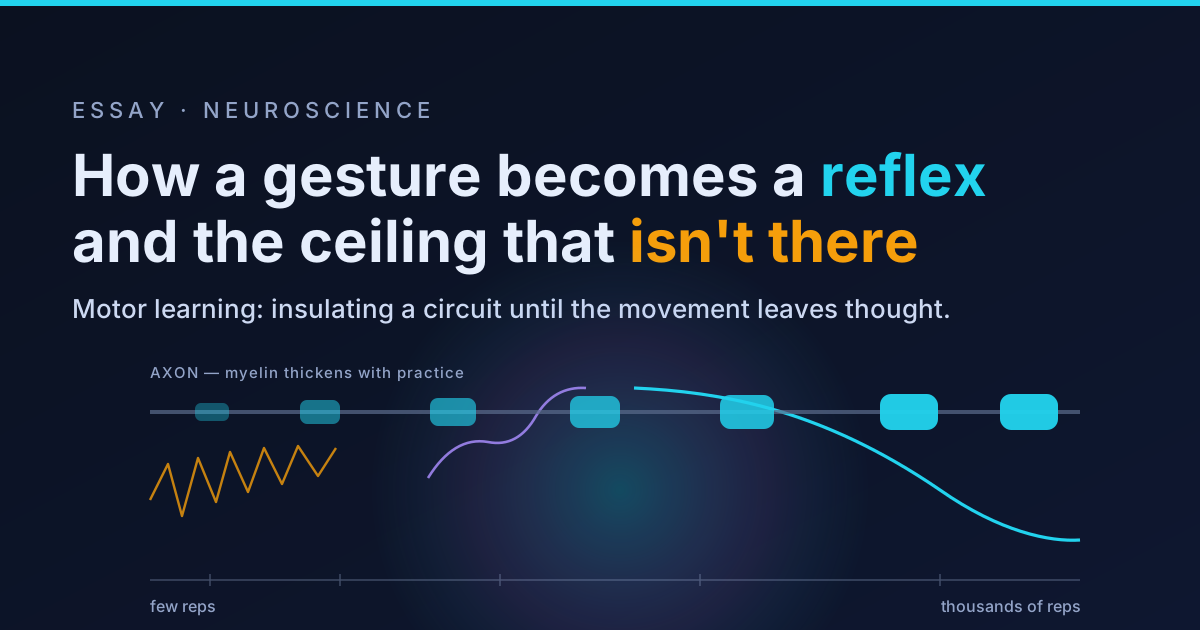
How a gesture becomes a reflex: motor learning and the ceiling that isn't there
An expert movement is not a thought performed faster: it is a movement that has left thought entirely. On the power law, myelin, sleep, and why the plateau is mostly an illusion.
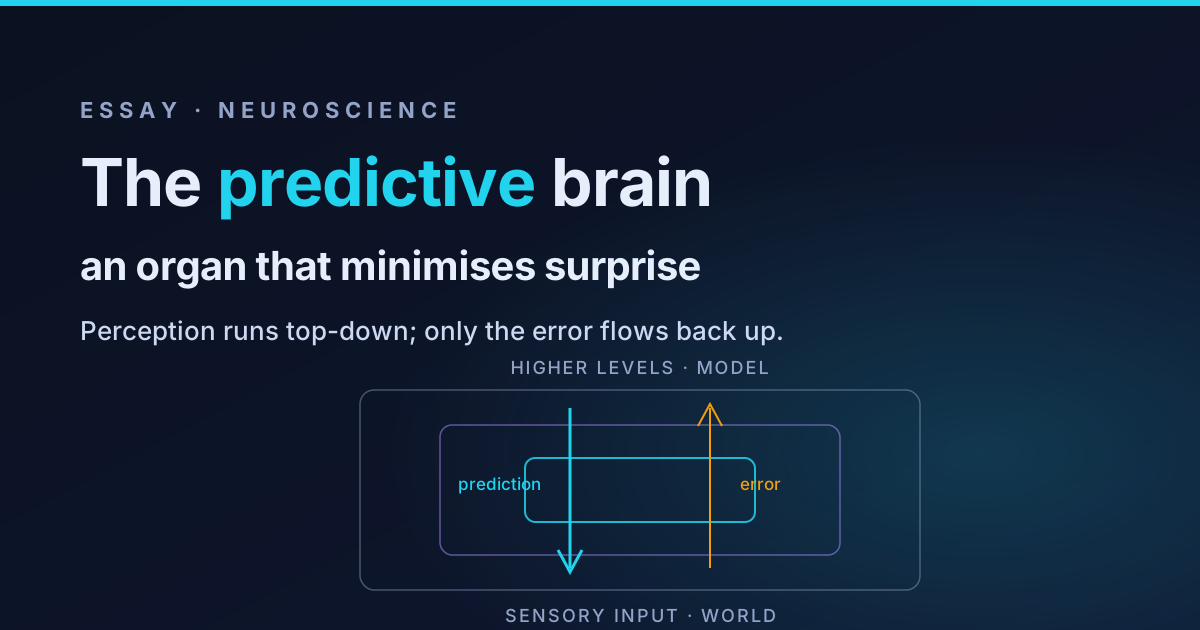
The predictive brain: an organ that spends its life minimising surprise
Predictive processing flips perception on its head: the brain does not passively receive the world, it constantly predicts it and transmits only the error. A look at what that reframing explains: about attention, dreams, and the kinship between brains and machines.